2026 Top Trends in Stretch Film Applications and Innovations?
As we look toward 2026, the world of stretch film is evolving rapidly. Stretch film is an essential material for packaging. Industries are discovering new applications and innovations that enhance efficiency. These developments are not just about protecting goods; they also reflect our changing needs.
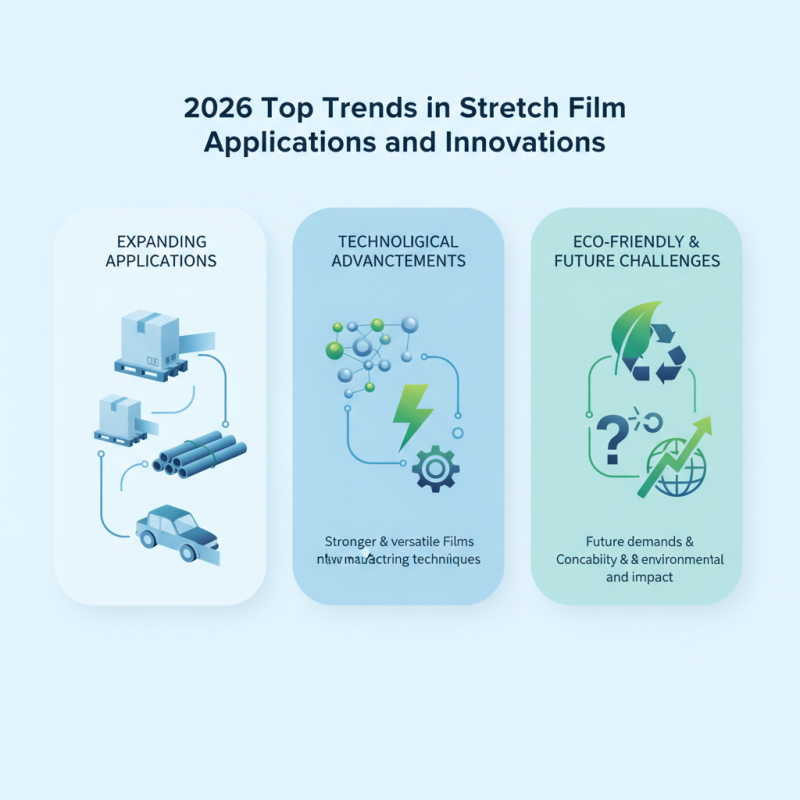
The use of stretch film is expanding beyond traditional roles. New technologies are being introduced, making films stronger and more versatile. Companies are experimenting with eco-friendly options. However, not all innovations have proven effective. There are concerns over durability and sustainability. The balance between functionality and environmental impact remains a topic of discussion.
In this landscape, understanding the top trends in stretch film is crucial. Businesses need to adapt to gain an edge in the market. Exploring these innovations can lead to improvements in logistics and storage. However, the question remains: will these advancements truly meet the demands of the future? The journey continues, with challenges that compel reflection and adaptation in the industry.
Emerging Materials in Stretch Film Production for 2026
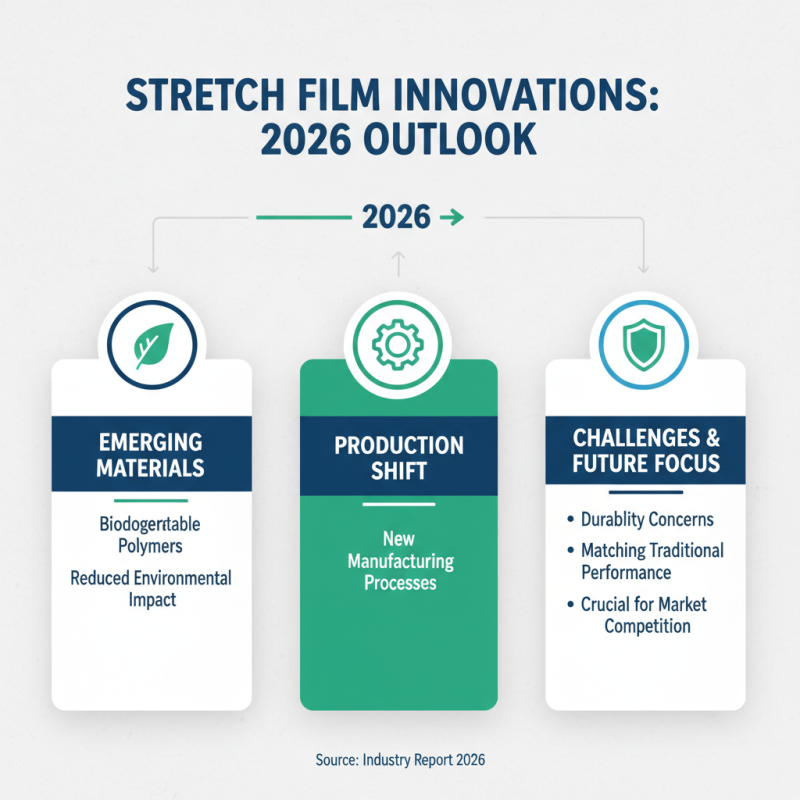
As we approach 2026, the stretch film industry is witnessing exciting innovations. Emerging materials are shaping how stretch films are produced. Biodegradable polymers are becoming popular. They aim to reduce environmental impact. Their use is still limited, posing challenges in durability. Ensuring these materials can compete with traditional options is crucial.
Another interesting development is the integration of recycled materials. Companies are exploring how to incorporate post-consumer waste into stretch film production. This reduces reliance on virgin plastics. But the quality of recycled materials can vary, creating inconsistencies. Striking a balance between sustainability and performance remains a hurdle.
In addition, companies are experimenting with innovative additives. These can enhance stretch films’ properties, such as clarity and strength. Some additives can improve stretchability but may affect recyclability. The goal is to create a film that meets all demands. Yet the path to achieving this is not straightforward, prompting ongoing discussions in the industry.
Innovative Coating Technologies Enhancing Stretch Film Performance
Innovative coating technologies are transforming stretch film applications across various industries. These advancements enhance clarity, strength, and adhesion. By improving surface properties, these coatings make products more reliable. They allow more efficient packing and protection of goods. Enhanced stretch films lower material waste and reduce shipping costs.
However, the integration of new technologies is not without challenges. Achieving the perfect balance between flexibility and durability can be tough. Sometimes, coatings may not bond as expected, leading to performance issues. This requires continuous testing and adaptation. Manufacturers must stay vigilant and responsive to these flaws.
While innovations bring exciting possibilities, they also demand careful consideration. Ensuring compatibility with existing materials is critical. Some new coatings may interact poorly with other packaging elements. This can compromise the overall effectiveness. Each new development invites reflection on how to optimize processes and reduce challenges.
2026 Top Trends in Stretch Film Applications and Innovations
| Trend |
Description |
Innovative Coating Technology |
Expected Impact |
| Sustainability Focus |
Increasing demand for eco-friendly materials and practices. |
Bio-based coatings that reduce environmental footprint. |
Enhanced marketability and compliance with regulations. |
| Enhanced Clarity |
Improved product visibility through clearer stretch films. |
Advanced optical coatings for increased transparency. |
Better presentation of products, leading to higher sales. |
| Multifunctionality |
Stretch films incorporating anti-static and antimicrobial properties. |
Functional coatings that provide added benefits without compromising stretchability. |
Wider application range in sensitive product packaging. |
| Smart Stretch Films |
Integration of sensors for monitoring conditions during transport. |
Coatings that enable sensor adhesion and compatibility. |
Improved supply chain integrity and product safety. |
| Customization |
Tailored solutions for specific customer needs in packaging. |
Developments in coating technologies that allow for variable thickness and properties. |
Increased customer satisfaction and loyalty. |
Sustainability Trends Shaping the Future of Stretch Film Use
Sustainability is revolutionizing the
stretch film industry. As environmental concerns grow,
the demand for eco-friendly materials increases.
Traditional stretch films often end up in landfills, contributing to pollution. Many manufacturers are now
exploring biodegradable and recyclable options. These options can reduce waste and the carbon footprint,
offering a more sustainable future.
In addition, innovations in production are making
sustainable choices more accessible. Bioplastics derived from renewable resources are gaining traction.
While these materials are promising, their performance compared to conventional options is
still under examination. Some users report issues with
durability and strength. There’s a dilemma between shifting to sustainable options and maintaining the
required performance levels.
Experts are urging the industry to enhance recycling programs.
Not enough stretch film is currently recycled, leading to increased waste. Companies must invest in better systems
to reclaim used films and convert them into new products. It’s a complex challenge. Balancing sustainability
and functionality requires collaboration and continuous improvement. The journey towards a greener stretch
film future is important but not straightforward.
Automation and Robotics in Stretch Film Packaging Solutions
The integration of automation and robotics in stretch film packaging is set to transform the industry. Robots streamline the wrapping process. They reduce labor costs and error rates. With precise motion control, robots wrap products quicker than human workers. This efficiency can lead to significant time savings.
However, the adoption of these technologies is not without challenges. Some companies struggle with the initial setup costs of robotic systems. Training staff to manage these new tools can also pose difficulties. Additionally, not all packaging environments are suited for automation. Factors like product size and shape can complicate the process.
Despite these hurdles, the benefits are clear. Efficient stretch film solutions can enhance productivity. Less waste is generated through precise application. As industries evolve, balancing innovation with practical challenges remains essential. The future of stretch film applications relies on this momentum.
2026 Top Trends in Stretch Film Applications and Innovations
This chart illustrates the projected growth trends in various applications of stretch film, highlighting the increasing integration of automation and robotics in packaging solutions.
Market Demand Shifts and Their Impact on Stretch Film Applications
In recent years, the demand for stretch film applications has evolved significantly. Factors like increased e-commerce and sustainability concerns are reshaping the market. Companies are now seeking films that not only protect their products but also reduce waste. This shift is pushing manufacturers to innovate and improve their offerings.
The rise in online shopping has led to more packaging needs. Stretch films are essential in securing products during transit. However, consumers are becoming more conscientious about the materials used. Biodegradable and recyclable options are gaining traction. This has prompted a reevaluation of traditional materials and methods.
There's also a growing focus on efficiency. Businesses want films that enhance productivity while minimizing costs. It’s a balancing act. Some companies struggle to find the right solutions. As the market continues to change, there is a need for continuous improvement. Adapting to these trends remains a challenge. Manufacturers must stay agile and inventive.