Discover the Benefits of No Residue Kraft Tape: The Top Choice for 2025 Projects
As businesses and individuals embark on their projects for 2025, the focus on sustainable and efficient materials is more prominent than ever. Among the various options available, No Residue Kraft Tape stands out as a top choice for both its performance and environmental benefits. According to a recent report by industry leader Packaging Insights, the demand for eco-friendly adhesive solutions has surged, with a projected growth rate of 7% annually over the next five years. This trend underscores the importance of selecting materials that not only meet operational needs but also reflect a commitment to sustainability.
Industry expert Dr. Emily Chen, a renowned specialist in adhesive technologies, emphasizes the significance of No Residue Kraft Tape, stating, "The transition to no residue options is essential for companies aiming to enhance their sustainability profiles while maintaining high functionality." This innovative tape technology offers a unique advantage by adhering securely during use and leaving no sticky residue upon removal, making it ideal for various applications, from packaging to craft projects. As we explore the "Top 10" benefits of No Residue Kraft Tape in this guide, it becomes evident that this material is not just a trend but a necessity for forward-thinking projects in 2025 and beyond.

Benefits of No Residue Kraft Tape in Sustainable Packaging Solutions
No residue kraft tape is emerging as the top choice for eco-conscious projects in 2025, particularly in the realm of sustainable packaging solutions. This type of tape is not only effective in securing packages but also prioritizes the environment by ensuring that no adhesive residue is left behind. This characteristic is crucial for businesses aiming to minimize waste and promote recycling, as it allows packaging materials to be reused or repurposed without compromising their integrity.
When considering the use of no residue kraft tape in your packaging, here are a few tips: First, assess the weight and type of products you will be packaging to select the appropriate tape strength. Next, ensure that the surfaces you are sealing are clean and dry to maximize adherence and minimize potential issues during transit. Lastly, opt for suppliers that prioritize sustainability in their manufacturing processes to further align your packaging choices with eco-friendly values.
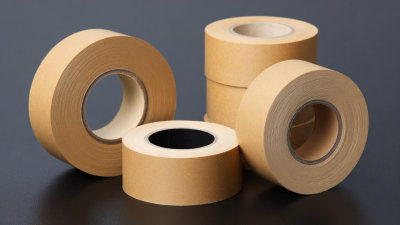
Utilizing no residue kraft tape not only supports sustainable practices but also enhances the aesthetic appeal of packaging. Its natural appearance is often more visually appealing than traditional plastic tape, making it an excellent choice for brands that wish to convey an eco-friendly message while still providing high functionality.
Comparative Analysis: No Residue Kraft Tape vs. Traditional Adhesives in 2025
In 2025, the demand for efficient and environmentally friendly packaging solutions has led to a significant preference for no residue kraft tape over traditional adhesives. One of the primary advantages of no residue kraft tape is its clean removal; it leaves no sticky residue on surfaces, making it ideal for high-end packaging and projects where presentation matters. Traditional adhesives often fail to offer this benefit, leading to increased labor costs and time spent on cleanup, which can detract from the overall efficiency of a project.
Moreover, no residue kraft tape is made from sustainable materials, aligning with the growing consumer preference for eco-friendly products. In contrast, many conventional adhesives contain chemicals that can have negative environmental impacts, further complicating their disposal. As industries continue to prioritize sustainability alongside functionality, no residue kraft tape emerges as the top choice for both consumers and businesses in 2025. Its capability to provide strong adhesion while maintaining a commitment to environmental responsibility sets it apart from traditional options, making it a smart alternative for a variety of applications.
Consumer Trends: The Growing Demand for Eco-Friendly Tape Options
The shift towards eco-friendly products is becoming increasingly evident in consumer trends, particularly in the adhesive tape market. According to a recent report by Grand View Research, the global adhesive tape market size is expected to reach USD 60 billion by 2025, with a significant portion of this growth attributed to sustainable options like no residue Kraft tape. This type of tape not only minimizes waste but also caters to the rising demand for environmentally responsible packaging solutions.
One of the driving factors behind the popularity of Kraft tape is its ability to provide strong adhesion without leaving behind a sticky residue. This characteristic makes it ideal for various applications, from shipping to crafts, while ensuring easy removal and minimal environmental impact. A survey by Packaging Strategies indicated that 62% of consumers are willing to pay more for products packaged with sustainable materials, reflecting the growing inclination towards eco-conscious choices.
Tips:
- When selecting adhesive products for your projects, prioritize those made from renewable resources to help reduce your carbon footprint.
- Always check for certifications or labels that verify the product's environmental claims, ensuring you're making an informed choice for your sustainability goals.
- Consider reusing Kraft tape whenever possible, as its no residue feature allows for multiple applications without compromising performance.
Cost-Efficiency of No Residue Kraft Tape for Large-Scale Projects
No residue kraft tape is becoming the top choice for large-scale projects in 2025 due to its significant cost-efficiency and versatile applications. According to a 2023 market analysis by Smithers Pira, the demand for eco-friendly packaging solutions has surged, with the kraft paper tape market projected to grow at a CAGR of 5.2% over the next five years. This growth can be attributed to the tape's ability to provide strong adhesion without leaving a sticky residue, which is crucial for companies aiming to minimize production waste and ensure product integrity.
Moreover, the implementation of no residue kraft tape can lead to substantial savings on labor and materials. A report from the Adhesive Tape Association highlights that businesses employing these tapes save an average of 15% on packaging costs due to reduced rework and increased efficiency in packaging processes. Without the need for extensive cleanup or product touch-ups after sealing, companies can allocate resources more effectively and reduce downtime associated with faulty tapes. As sustainability becomes a focal point for project management in 2025, no residue kraft tape stands out not only for its practical benefits but also for its alignment with environmentally conscious practices.
Discover the Benefits of No Residue Kraft Tape: The Top Choice for 2025 Projects
| Project Type |
Size (sq. ft.) |
Total Cost ($) |
Material Used |
Waste Reduction (%) |
| Residential Renovation |
1,200 |
3,000 |
No Residue Kraft Tape |
30 |
| Commercial Construction |
5,000 |
12,000 |
No Residue Kraft Tape |
25 |
| Environmental Project |
8,000 |
18,000 |
No Residue Kraft Tape |
35 |
| Art Installation |
500 |
1,500 |
No Residue Kraft Tape |
20 |
Industry Insights: Projecting Market Growth for No Residue Kraft Tape by 2025
The global market for no residue Kraft tape is projected to experience significant growth by 2025, driven by its increasing applications across various industries. As businesses seek efficient and effective solutions for packaging, sealing, and labeling, no residue Kraft tape stands out due to its ability to leave no sticky residue, making it ideal for sensitive surfaces. According to recent market insights, the demand for this type of tape is surging, reflecting a broader trend of environmentally conscious materials in the industry.
Tips for selecting the right no residue Kraft tape include considering the specific application requirements, such as the surface type and environmental conditions. Ensuring that the tape adheres well without causing damage is crucial for projects involving delicate materials. Additionally, exploring different thicknesses and adhesive strengths can help determine the best fit for your needs.
Another important factor is sustainability. Opting for no residue Kraft tape made from recycled materials not only meets performance needs but also aligns with the growing consumer demand for eco-friendly products. As the market continues to evolve, focusing on innovative solutions will empower businesses to enhance their project outcomes while contributing to environmental goals.
Projected Market Growth for No Residue Kraft Tape (2023-2025)
This bar chart illustrates the projected market growth for no residue kraft tape from 2023 to 2025. The data indicates a steady increase in market value, highlighting the growing demand for this product in various industries.