Top Benefits of Using Stretch Film for Packaging and Shipping Solutions
In the world of packaging and shipping solutions, businesses continually seek innovative and efficient materials to ensure their products are secure during transit. One of the most effective tools that has emerged in recent years is stretch film. Known for its versatility and durability, stretch film offers numerous benefits that can streamline the packaging process and enhance the safety of shipped goods. This lightweight yet robust material wraps tightly around products, providing a protective barrier against dust, moisture, and damage, while also acting as a stabilizer for items stacked on pallets.
Furthermore, the use of stretch film has proven to be an eco-friendlier option compared to traditional packaging materials. It optimizes freight space and reduces the overall cost associated with transportation. As businesses become increasingly conscious of sustainability practices, stretch film stands out as a solution that not only meets packaging requirements but also supports environmental goals. In this article, we will delve into the top benefits of using stretch film for packaging and shipping solutions, highlighting its critical role in modern logistics and the significant advantages it offers to businesses aiming for efficiency and protection in their operations.
What is Stretch Film and Its Common Applications in Packaging?
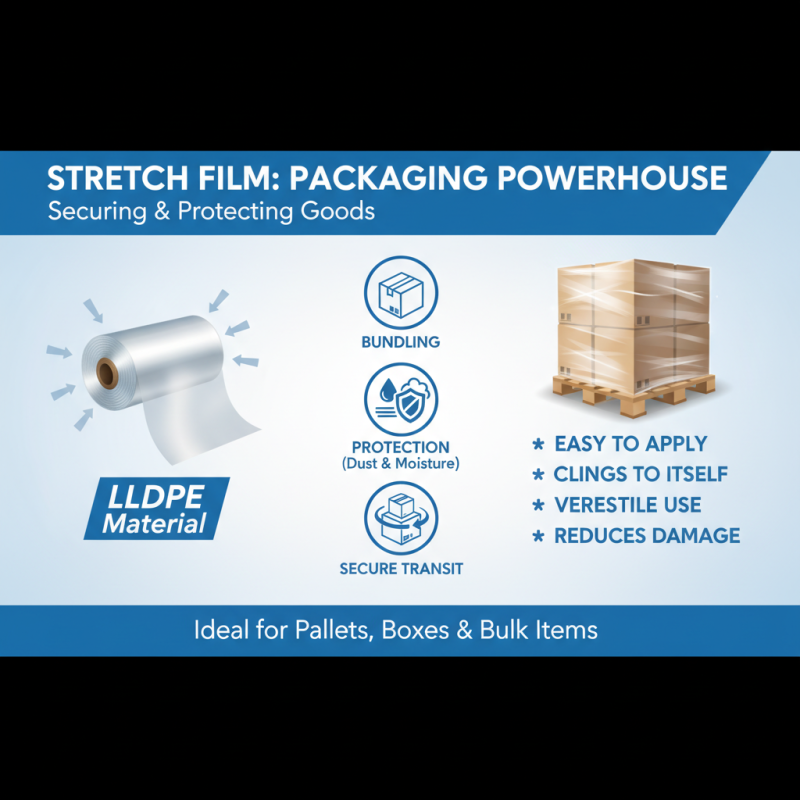
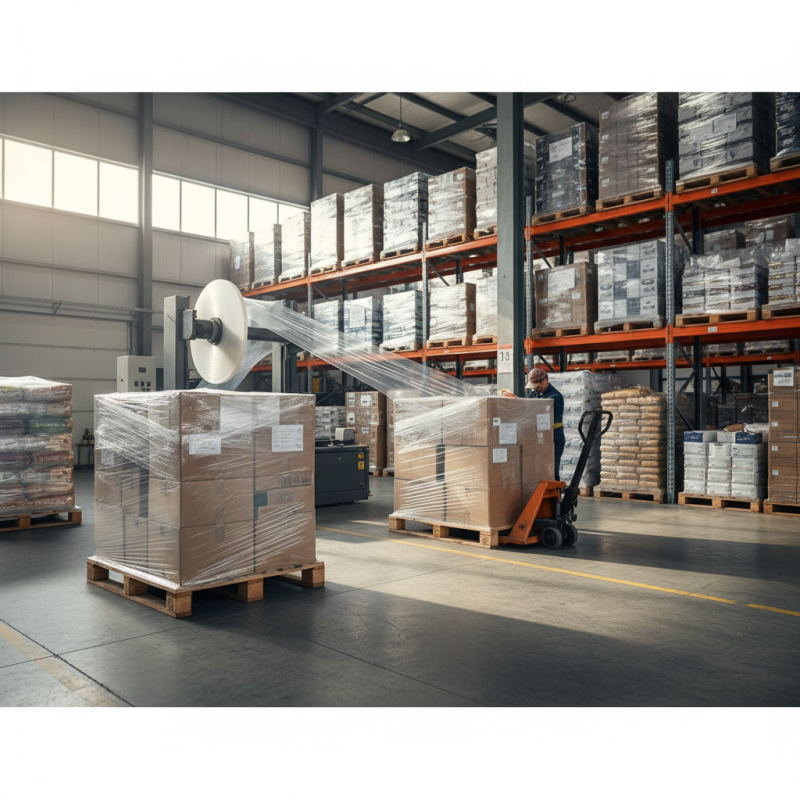
Stretch film, also known as stretch wrap, is a highly versatile packaging material made from linear low-density polyethylene (LLDPE). Its elastic properties allow it to stretch tightly around products, securing them during storage and transit. Common applications for stretch film include bundling items like boxes, pallets, and other bulk goods. Its ability to cling to itself without adhesive makes it ideal for maintaining the integrity of products while providing a protective barrier against dust, moisture, and other contaminants.
In the shipping industry, stretch film plays a crucial role in ensuring that items arrive at their destination intact. By wrapping goods securely, companies can reduce the likelihood of damage caused by shifting or falling during transport. Furthermore, stretch film is lightweight, which contributes to lower shipping costs compared to other packaging methods. Its transparency also allows for easy visibility of the wrapped contents, simplifying inventory checks and enhancing security. As businesses continue to seek efficient and cost-effective packaging solutions, the application of stretch film is only expected to grow.
Key Advantages of Using Stretch Film for Securing Products During Shipping
Stretch film is an essential tool in the realm of packaging and shipping, offering a variety of advantages that enhance product security during transit. One of the key benefits of using stretch film is its ability to tightly wrap around products, providing a robust layer of protection against damage. This elastic material conforms to the shapes of the items, ensuring they remain secure and intact while preventing any shifting that can cause breakage. Additionally, stretch film is resistant to moisture, making it an ideal choice for shielding products from environmental factors during transportation.
Tip: When using stretch film, consider overlapping the film by about 50% to enhance security and prevent any gaps that could lead to product exposure. Furthermore, using a pallet wrap dispenser can increase efficiency, allowing for faster and more consistent application of the film.
Another advantage of stretch film is its cost-effectiveness compared to other packaging materials. It is lightweight, which helps reduce shipping costs while still providing superior protection. The film’s stretchability enables users to cover more area with less material, minimizing waste. This efficiency not only saves money but also contributes to a more environmentally friendly packaging process.
Tip: Always assess the thickness of the stretch film to match the level of protection required for your specific products. For heavier items, opt for thicker stretch film to ensure adequate support and durability during transportation.
Top Benefits of Using Stretch Film for Packaging and Shipping Solutions
| Benefit |
Description |
Impact |
| Protection |
Stretch film secures products tightly to prevent movement during transportation. |
Reduces damage and loss of goods in transit. |
| Cost-Effective |
Less material is needed compared to other wrapping options, decreasing overall packaging costs. |
Lower packaging expenses |
| Versatility |
Can be used for a variety of products, from pallets to individual items. |
Enhances operational efficiency in packaging. |
| Clarity |
Transparent film allows for easy identification of packaged goods. |
Improves inventory management and inspection processes. |
| Sustainability |
Many stretch films are recyclable, contributing to eco-friendly practices. |
Promotes corporate responsibility and sustainability. |
| Moisture Resistance |
Helps protect products from moisture and environmental factors. |
Increases product longevity during storage and transport. |
Cost-Effectiveness of Stretch Film Compared to Other Packaging Materials
Stretch film has emerged as a cost-effective packaging solution, particularly when compared to traditional materials such as cardboard and shrink wrap. One of the primary advantages of stretch film is its ability to secure loads tightly and protect them from damage during transit. This efficiency reduces the chance of product loss and the need for costly replacements, ultimately saving companies money in the long run.
Furthermore, stretch film’s lightweight nature helps lower shipping costs, as lighter packages incur reduced freight charges.
Another significant factor contributing to the cost-effectiveness of stretch film is its versatility and ease of use. It can be applied quickly and efficiently, which not only speeds up the packaging process but also requires fewer labor resources. The film's stretchability allows for a snug fit on various shapes and sizes, making it a more adaptable solution for different packaging needs. In contrast, rigid packaging materials often entail higher production and material costs, not to mention the additional handling required due to their bulkiness. Thus, businesses opting for stretch film can achieve substantial savings while maintaining high standards of protection and presentation for their goods.
Environmental Considerations and Recycling Options for Stretch Film
Stretch film is widely recognized for its versatility and effectiveness in packaging and shipping, but environmental considerations are increasingly becoming a focal point in its usage. According to a recent report by the Flexible Packaging Association, approximately 30% of all plastic packaging materials in the U.S. are made from stretch film, which speaks to its significant role in the packaging industry. However, the environmental impact of these materials cannot be overlooked. As awareness of plastic pollution grows, recycling options for stretch film are gaining more attention, leading to the development of innovative solutions aimed at reducing waste and promoting sustainability.
Recycling stretch film is notably challenging due to its lightweight and clingy nature, yet advancements in technology are paving the way for more effective recycling programs. The Association of Plastic Recyclers indicates that over 25% of post-consumer plastic can be recycled to create new products. Many retailers and industrial producers are establishing collection programs that allow consumers and businesses to return their used stretch film to designated locations, where it can be processed and repurposed. This not only diverts waste from landfills but also underscores the importance of a circular economy in the plastics sector, highlighting the need for enhanced consumer education and infrastructure investment.
Moreover, some manufacturers are exploring the creation of bio-based stretch films that are more environmentally friendly while maintaining performance qualities. A study published in the Journal of Cleaner Production suggests that alternative materials, such as those derived from renewable resources, can significantly reduce environmental footprints. As the packaging industry continues to grapple with sustainability challenges, the evolution of stretch film towards improved recycling methods and eco-friendly alternatives is critical to minimizing its ecological impact.
Best Practices for Applying Stretch Film in Packaging and Shipping Processes
When it comes to applying stretch film in packaging and shipping processes, following best practices can significantly enhance efficiency and effectiveness. A study conducted by the Flexible Packaging Association indicates that proper application of stretch film can reduce cargo damage by up to 20%, ensuring that goods arrive at their destination in pristine condition. To maximize these benefits, it is essential to use the right type of stretch film for the specific load configuration. Factors such as film width, thickness, and stretchability all play crucial roles in securing the shipment while minimizing material usage.
Additionally, employing the correct wrapping technique can further optimize the performance of stretch film. Techniques such as the spiral wrap or the overlap method ensure that the load remains stable during transit, while minimizing the risk of shifting that could lead to damage. Research from packaging industry experts highlights that loads wrapped with stretch film using optimal tension are less likely to sustain impact-related damages, boasting a reduction in breakage rates by approximately 15%. Ensuring that team members are trained in these application methods is vital, as proper stretching, layering, and securing can produce a more reliable and durable packaging solution, ultimately contributing to improved customer satisfaction and lower return rates.