Top 10 Best Hot Melt Carton Sealing Tape for Your Packaging Needs?
In the packaging industry, efficiency and reliability are vital. Hot Melt Carton Sealing Tape stands out as a preferred choice among manufacturers. Recent industry reports highlight that over 70% of businesses prioritize tape performance in their packaging lines. This adhesive solution offers strong bonding properties essential for ensuring package integrity.
When selecting the best tape, one must consider various factors. Not all Hot Melt Carton Sealing Tape is created equal. Some options may not withstand extreme temperatures or heavy loads, which can lead to undesired failures. Understanding the specific needs of your packaging process is crucial.
Moreover, cost-effectiveness plays a significant role in decision-making. While cheaper alternatives may seem appealing, they may fall short in quality. Investing in high-quality tape often yields better long-term outcomes, preventing costly breaks and product losses. It's essential to reflect on past experiences to guide better choices in the future.

Understanding Hot Melt Carton Sealing Tape and Its Benefits
Hot melt carton sealing tape is crucial for efficient packaging. This tape is made from a polymer-based adhesive that melts during application. When it cools, it creates a strong bond. It is ideal for sealing boxes and cartons securely. The adhesive works well on various surfaces, including cardboard and plastic.
One of the key benefits of hot melt tape is its quick adhesion. It sticks rapidly, reducing waiting time during packaging. Businesses can benefit from increased productivity. However, choosing the right thickness and width is essential. Too thin may cause breakage, while too thick can be challenging to manage.
Considering the environment, some hot melt tapes use recycled materials. This choice can be better for sustainable practices. Yet, not all products provide this benefit. Researching options is necessary for making informed choices. While hot melt tape is effective, it may not be the best for every situation. Reflecting on specific packaging needs can lead to better solutions.
Top 10 Best Hot Melt Carton Sealing Tape for Your Packaging Needs
| Product Name |
Width (Inches) |
Length (Yards) |
Thickness (Mil) |
Adhesive Type |
Temperature Range (°F) |
Use Case |
| Heavy Duty Hot Melt Tape |
2 |
55 |
2.0 |
Hot Melt |
32 to 120 |
Heavy Packages |
| Standard Hot Melt Tape |
1.88 |
110 |
1.6 |
Hot Melt |
40 to 140 |
Light to Medium Packages |
| Economy Hot Melt Tape |
2 |
110 |
1.5 |
Hot Melt |
50 to 130 |
General Packaging |
| Wide Hot Melt Tape |
3 |
100 |
2.5 |
Hot Melt |
30 to 120 |
Large Boxes |
| Fast Bond Hot Melt Tape |
1.5 |
60 |
1.2 |
Hot Melt |
40 to 140 |
Quick Sealing |
| Premium Hot Melt Tape |
2.5 |
75 |
2.0 |
Hot Melt |
32 to 150 |
Heavy-Duty Tasks |
| Clear Hot Melt Tape |
1.88 |
110 |
1.6 |
Hot Melt |
40 to 140 |
Invisible Sealing |
| Enviro-Friendly Hot Melt Tape |
2 |
50 |
1.4 |
Hot Melt |
30 to 120 |
Eco-Friendly Packaging |
| Tough Seal Hot Melt Tape |
2.5 |
100 |
2.0 |
Hot Melt |
40 to 150 |
Industrial Packaging |
Key Features to Look for in Hot Melt Carton Sealing Tape
When choosing hot melt carton sealing tape, consider its adhesion quality. A strong bond is crucial for secure packaging. Look for tapes that form a lasting seal on various surfaces. The right tape sticks well, even in challenging environments. This feature is essential to avoid failures during shipping.
The tape's thickness also matters. A thicker tape usually provides better durability. However, it's important to find a balance. If the tape is too thick, it can be cumbersome to work with. On the other hand, if it's too thin, it might not hold as well. Test different thicknesses to suit your packaging needs.
Another point is the tape's unwind property. A tape that unwinds smoothly makes application easier. If it sticks to itself or tears during use, it can lead to frustration. Spending time on selecting the right tape is worth it. Remember, a small choice impacts your overall packaging efficiency.
Top 10 Best Hot Melt Carton Sealing Tape for Your Packaging Needs
The chart above illustrates key features of the top 10 hot melt carton sealing tapes, including adhesive strength, temperature resistance, thickness, roll length, and width. These attributes are essential for selecting the right tape for your packaging needs.
Top Brand Comparisons: Quality and Performance in Carton Sealers
When it comes to sealing cartons, hot melt tapes are a vital tool. Each brand has unique qualities that influence their performance. Some tapes have stronger adhesive properties, making them ideal for heavy packages. Others offer more flexibility, catering to various box sizes. It's important to consider the right thickness and width as these factors play a significant role in ensuring a secure seal.
Brand comparisons reveal notable differences in durability and ease of use. Some tapes unwind smoothly, while others can be frustratingly sticky. It’s worth testing different options for your specific needs. Certain brands may perform well in temperature changes, while others might fail under similar conditions. These nuances often determine better reliability, so be mindful of the environment in which the tape will be used.
While reviews can guide choices, hands-on experience is irreplaceable. Sometimes, what works well for others may not fit your requirements. It's essential to assess packaging conditions regularly. Tapes can wear over time or fail unexpectedly, leading to rethink. Remember, the best choice is one that meets your operational demands without compromising quality.
Eco-Friendly Options: Sustainable Hot Melt Tape for Packaging
As businesses increasingly prioritize sustainability, eco-friendly hot melt tape has emerged as a viable packaging solution. This type of tape is made from natural resources and is often biodegradable. It effectively seals cartons while reducing the company's carbon footprint. Using sustainable tape can resonate well with environmentally-conscious consumers.
Many companies still overlook the impact of their packaging choices. They may focus on cost and functionality, neglecting the ecological significance. Each roll of hot melt tape used contributes to waste. Choosing an eco-friendly option is a simple step that can create a positive change.
While sustainable hot melt tape offers many benefits, it may not always provide the same performance as traditional options. Some users may experience issues with adhesive strength or sticking power over time. This inconsistency can lead to frustration. A balance between effective sealing and environmental responsibility is essential. It’s worth considering the long-term benefits of sustainability for both the planet and the brand's reputation.
How to Properly Apply Hot Melt Carton Sealing Tape for Best Results
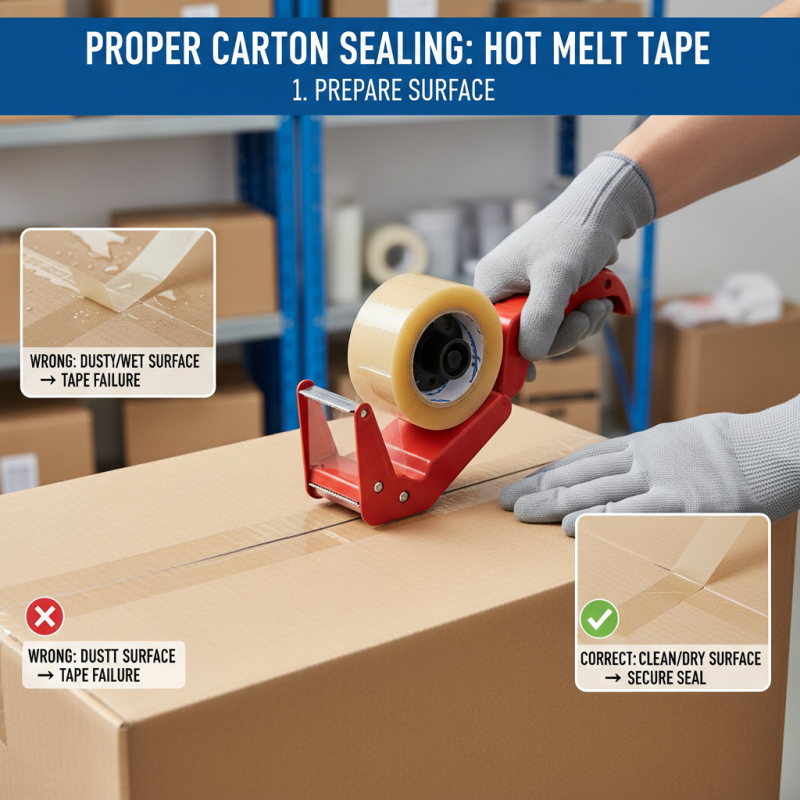
Applying hot melt carton sealing tape correctly is crucial for effective packaging. Start by preparing the surface of the box. It must be clean and dry to ensure proper adhesion. Dust or moisture can lead to tape failure. Position the roll of tape securely on a tape dispenser for easy handling. This makes the process smoother.
When applying tape, aim for a straight line across the seam. Overlap the edges for extra strength. Use a consistent pressure when pressing down. It helps to avoid air bubbles, which can weaken the seal. If the tape doesn't stick well, you may need to adjust your technique. Sometimes, wrong placement can lead to a poor seal, and it's essential to re-check your work.
If you notice wrinkles or tears in the tape, it's best to remove and reapply it. Learn from imperfections; they indicate areas needing improvement. Practice makes perfect in this process. Consider seeking feedback from colleagues about your application techniques. Their insights could enhance your skills over time.