10 Best Insulation Tape Options for Your Home Improvement Projects
Insulation tape is an essential tool for any homeowner looking to improve energy efficiency and maintain a comfortable living environment. According to insulation expert Dr. Lisa Carter, "Proper insulation not only helps to regulate the temperature within your home but also significantly reduces energy costs." With this in mind, choosing the right insulation tape can make a substantial difference in how effectively you seek to enhance your home's insulation.
In our exploration of the ten best insulation tape options, we’ll delve into various features that cater to different home improvement needs. From durability and adhesion strength to resistance to temperature changes, each type of insulation tape serves a unique purpose. Understanding these attributes is crucial for selecting the best option for your projects, ultimately leading to better performance in insulation and energy conservation.
As we highlight these top insulation tape choices, our goal is to provide you with the knowledge necessary to make informed decisions that benefit your home improvement efforts. Whether you are sealing gaps, repairing ducts, or working on weatherproofing your living space, the right insulation tape can be a game-changer.
Understanding the Importance of Insulation Tape in Home Projects
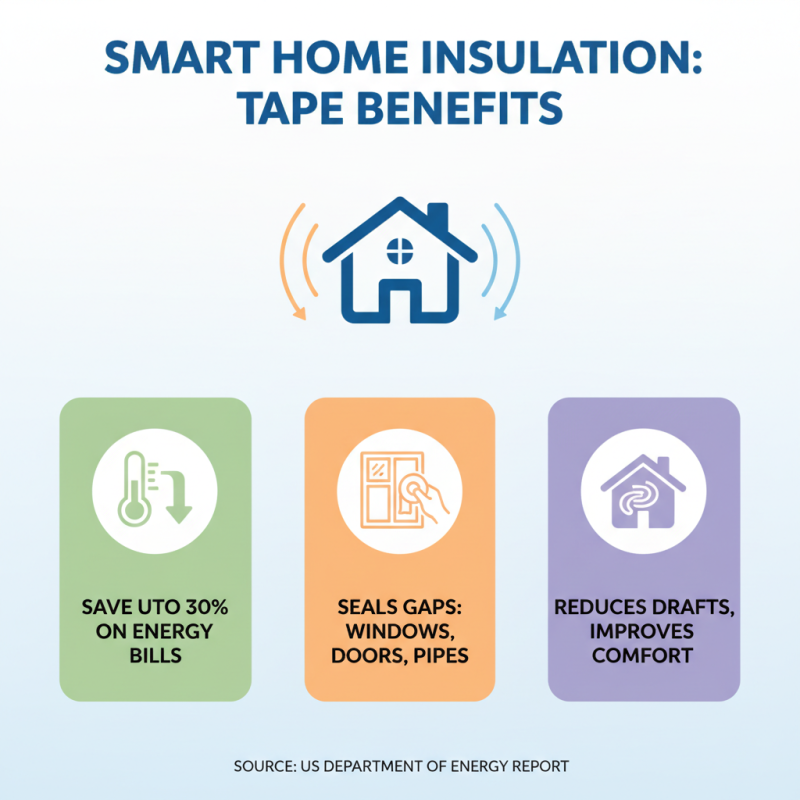
Insulation tape plays a crucial role in home improvement projects, offering numerous benefits that extend beyond mere adhesion. According to a report by the U.S. Department of Energy, properly insulating your home can save you up to 30% on heating and cooling costs, making insulation materials an essential investment for energy efficiency. Insulation tape is particularly significant in sealing gaps and cracks around windows, doors, and pipes, which can lead to thermal loss and increased energy bills. Utilizing high-quality insulation tape can effectively reduce drafts and improve the overall comfort of living spaces.
Furthermore, industry data indicate that approximately 90% of homes in the United States are underinsulated, contributing to unnecessary energy expenditure and adverse environmental impacts. Insulation tape enhances the performance of various insulation types, ensuring a tighter seal that maximizes energy performance. Researchers emphasize that the appropriate application of insulation tape not only boosts the efficacy of insulation but also prolongs the lifespan of HVAC systems by minimizing the workload on these units. This underlines the essential role of insulation tape in achieving both sustainability goals and cost savings for homeowners.
Types of Insulation Tapes and Their Unique Features
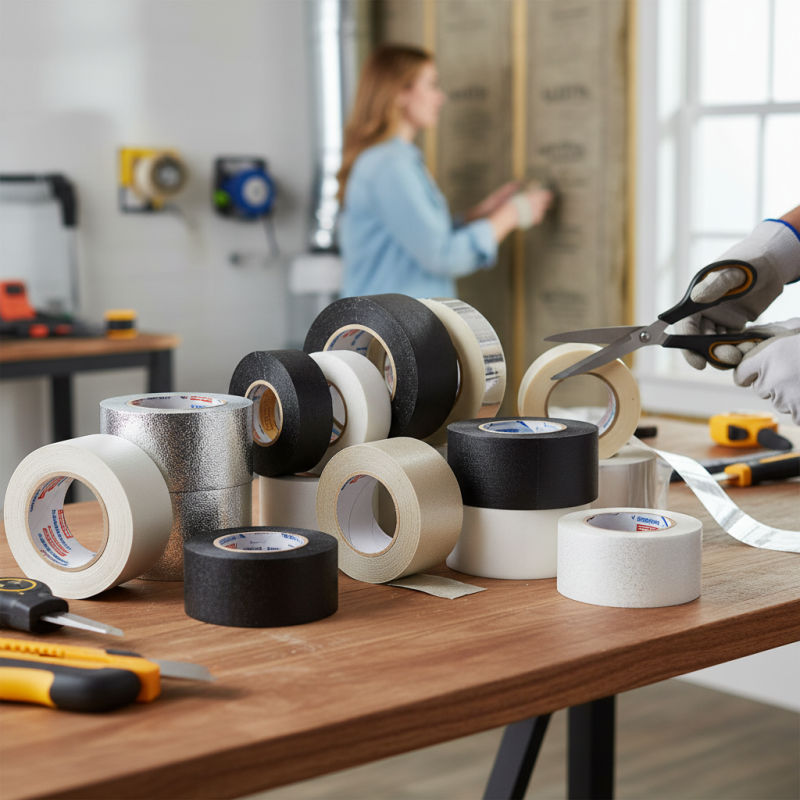
Insulation tape is an essential tool for any home improvement enthusiast, offering a variety of features tailored to different needs. The most common types include foam insulation tape, which is excellent for sealing gaps and preventing air leaks, while electrical insulation tape is designed to provide safety and protection for wiring projects. Multi-purpose tapes can also be utilized for various applications, from insulating water pipes to preventing heat loss in ducts.
When selecting insulation tape, it’s crucial to consider factors such as temperature resistance, durability, and adhesive strength. For instance, some tapes are specifically engineered to withstand extreme temperatures, making them ideal for outdoor use. Others may have a higher tack for better adherence to irregular surfaces, enhancing their effectiveness in creating a sealed environment.
**Tips:** Always measure the area you intend to insulate to choose the right width and thickness of tape. For best results, clean the surface before applying the tape, ensuring a strong bond. Store your tapes in a cool, dry place to prevent loss of adhesive properties over time.
Top 10 Insulation Tape Options for Different Applications
When it comes to choosing insulation tape for your home improvement projects, consider the specific applications you need the tape for. Different types of insulation tape are designed to handle unique challenges, whether it’s sealing ducts, insulating pipes, or providing thermal protection. Look for tapes that offer durability, weather resistance, and strong adhesion to ensure they perform well in demanding conditions.
Tips: Always clean the surface where the tape will be applied to ensure maximum adhesion. This can greatly extend the lifespan of your insulation tape. Additionally, check the temperature rating of the tape to match it with the environment in which it will be used.
Moreover, consider the width and thickness of the tape depending on the area you’re working on. Wider tapes can cover gaps more effectively, while thinner options are better for precise applications. Reading product specifications and regularly comparing options will help you select the best tape for your specific needs, ensuring your insulation projects are both efficient and effective.
Tips: For areas with high moisture or potential temperature fluctuations, opt for tapes that are specifically designed for such conditions. This will prevent the potential deterioration of the tape and maintain the integrity of your insulation over time.
Top 10 Insulation Tape Options for Different Applications
How to Choose the Right Insulation Tape for Your Needs
When it comes to selecting the right insulation tape for your home improvement projects, it’s crucial to assess your specific needs based on the application and environment. Insulation tape comes in various materials such as PVC, silicone, and cloth, each providing different levels of insulation, durability, and flexibility. According to the American Society of Heating, Refrigerating and Air-Conditioning Engineers (ASHRAE), choosing the right tape can significantly improve energy efficiency by reducing heat loss or gain, which is critical for energy savings and overall comfort in any living space.
In addition to material composition, consider the temperature range and adhesive quality of the tape. Industry reports emphasize that insulation tapes made with high-temperature resistance can withstand extreme conditions, ensuring longevity and effectiveness in sealing gaps around ducts, pipes, or electrical wiring. Furthermore, it’s essential to check the tape's insulation rating, often measured in R-value; higher R-values indicate better insulating properties. According to the Department of Energy, using insulation materials with appropriate R-values can lead to a 10-50% reduction in heating and cooling costs, highlighting the importance of choosing the right insulation tape to optimize energy efficiency while enhancing the comfort of your home.
10 Best Insulation Tape Options for Your Home Improvement Projects
| Type |
Material |
Temperature Rating (°F) |
Width (inches) |
Length (yards) |
Best Use |
| Foil Tape |
Aluminum Foil |
260 |
2 |
30 |
HVAC Ducts |
| PVC Insulation Tape |
PVC |
176 |
1 |
25 |
Electrical Insulation |
| Cloth Insulation Tape |
Cloth |
150 |
1.5 |
20 |
Automotive and Industrial |
| Foam Tape |
Polyethylene Foam |
150 |
0.5 |
30 |
Weatherproofing |
| Thermal Insulation Tape |
Fiberglass |
1000 |
2 |
15 |
Pipes and Boilers |
| Reflective Insulation Tape |
Mylar |
300 |
2 |
25 |
Energy Saving Applications |
| Electrical Insulation Tape |
Vinyl |
221 |
0.75 |
60 |
Electrical Repairs |
| Silicone Insulation Tape |
Silicone |
500 |
1 |
10 |
High-Temperature Applications |
| Double-Sided Insulation Tape |
Acrylic |
212 |
1 |
20 |
Mounting and Sealing |
| Duct Insulation Tape |
Polyester |
200 |
2 |
50 |
Duct Sealing |
Tips for Proper Application and Usage of Insulation Tape
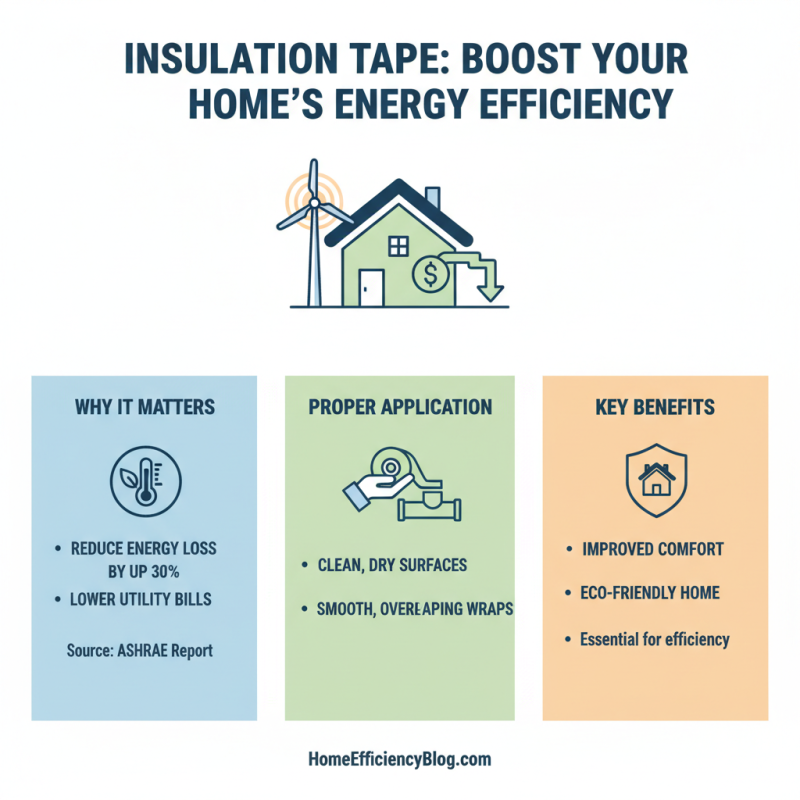
When using insulation tape for your home improvement projects, proper application and usage are crucial to maximize its effectiveness. According to a recent report from the American Society of Heating, Refrigerating and Air-Conditioning Engineers (ASHRAE), properly insulated spaces can reduce energy losses by up to 30%. This substantial decrease in energy consumption translates directly into lower utility bills, making correct tape application essential for homeowners looking to enhance energy efficiency.
To ensure optimal results when applying insulation tape, start by cleaning the surface where the tape will adhere. Dust, moisture, or grease can significantly reduce adhesive performance. Experts recommend that the surface temperature should be at least 50°F (10°C) during application for the best adhesion. Additionally, overlapping the tape seams by at least half of its width can prevent gaps that compromise insulation integrity. As noted in a study by the Department of Energy, any small gaps or unsealed areas can greatly diminish the overall insulating performance, reinforcing the importance of meticulous installation.
Another key point is to take care when stretching the tape. Tightly stretched tape can lead to stress and eventual peeling. Flexibility is necessary, especially in areas subject to movement or vibration. The National Insulation Association suggests that using a tape with a suitable elongation rating ensures it can accommodate any shifts without losing its sealing properties. By following these application tips, homeowners can ensure their insulation projects are efficient and durable, significantly improving their living spaces.