Top 10 Best Insulation Tapes for Home and Industrial Use?
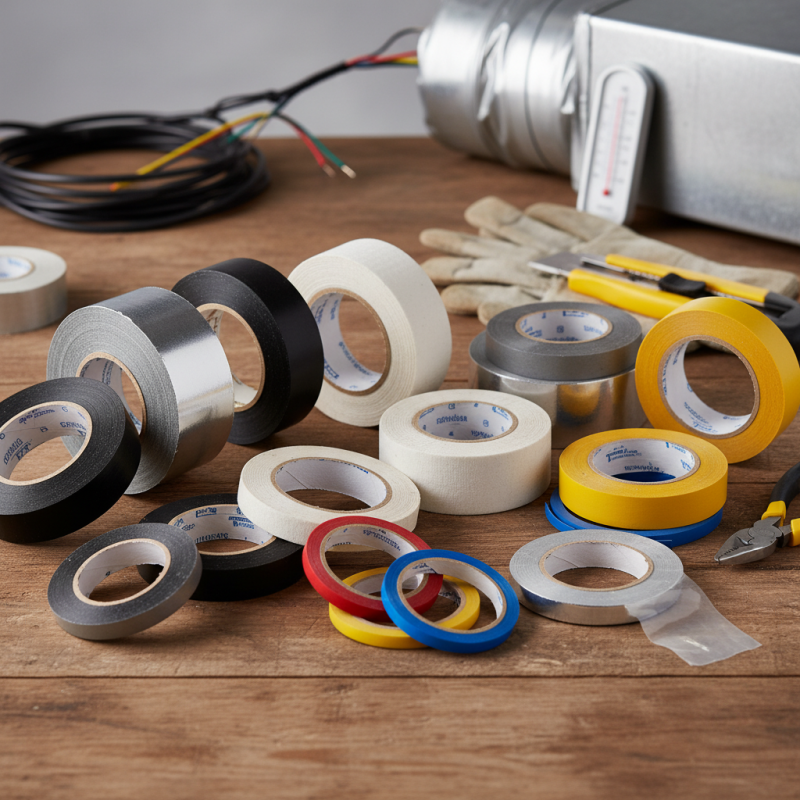
When it comes to effective insulation in homes and industrial settings, choosing the right insulation tape is crucial. Insulation tape is designed to prevent heat loss and protect wiring. It's used in various applications, from electrical work to HVAC systems. However, not all insulation tapes are created equal.
In today's market, many options are available. Each type serves different purposes and environments. For instance, some tapes are better suited for high-temperature applications, while others excel in cold weather. Understanding the specifications of each insulation tape can be daunting.
As we explore the top 10 best insulation tapes, it is essential to consider their strengths and weaknesses. Some tapes might fail under certain conditions or require specific surface preparations. Reflecting on these details helps ensure you choose the best product for your needs.
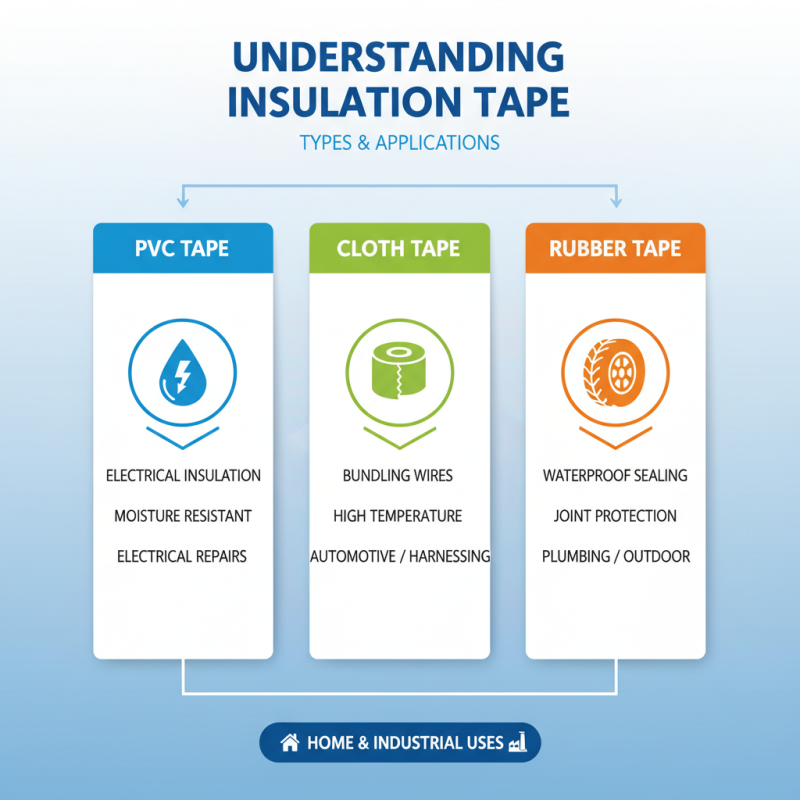
Understanding Insulation Tape: Types and Applications
Insulation tape is a crucial material widely used in both home and industrial settings. These tapes come in various types, including PVC, cloth, and rubber. Each type has unique properties that cater to different applications. For instance, PVC insulation tape offers excellent electrical insulation and resistance to moisture. This makes it suitable for electrical repairs.
In industrial settings, the demand for high-quality insulation tape is growing. Reports show that the global insulation tape market is expected to reach $2 billion by 2026. This trend highlights the importance of selecting the right type of tape. Many professionals overlook this aspect, leading to suboptimal performance. The choice often depends on temperature resistance and adhesive strength. Some tapes may not withstand extreme conditions, resulting in significant issues.
While many claim to use top-performing tapes, not all provide the expected durability. Users often report premature wear or ineffectiveness in sealing. Issues arise when tapes fail to adhere properly. This can expose wires to moisture and other hazards. Durability and application specificity should always guide selections. The wrong tape can lead to costly repairs and safety risks. Thus, understanding insulation tape is essential for effective use in various environments.
Criteria for Selecting the Best Insulation Tapes
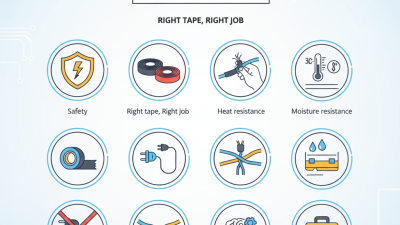
When choosing insulation tapes, several criteria should be considered. The material type matters greatly. Vinyl tapes are durable and flexible. They are often suitable for electrical connections. On the other hand, foil tapes reflect heat and provide moisture resistance. Each material serves its unique purpose.
Thickness is another key factor. Thicker tapes usually offer better insulation qualities. However, they might not fit tight spaces easily. Consider the application: heavy duty or lighter tasks? Also, check temperature ratings. Some tapes withstand extreme heat, while others may break down.
Adhesion strength is crucial too. A tape that peels off too easily won't protect effectively. Look for options that maintain adhesion over time. Always read reviews to gather insights from real users. Their experiences can reveal potential issues. Remember, an informed choice can lead to better efficiency in both home and industrial settings.
Top 10 Best Insulation Tapes for Home and Industrial Use
This bar chart displays the performance ratings of the top 10 insulation tapes based on factors such as temperature resistance, adhesion strength, and thickness. These criteria are vital for selecting the best insulation tape for both home and industrial use.
Top 10 Insulation Tapes for Home Use: Features and Benefits
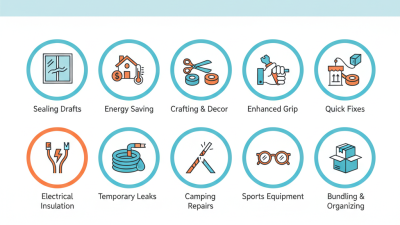
Insulation tapes serve various functions in both home and industrial settings. They help in sealing edges, insulating wires, and even reducing noise. For home use, finding the right insulation tape can be crucial. There are several features that can significantly impact performance.
When choosing insulation tapes, consider thickness and durability. Thicker tapes offer better insulation and more robust protection. However, they might be harder to handle. A tape that is too thick can be cumbersome and difficult to apply accurately. On the other hand, thinner tapes are easier to work with but may not provide the same level of insulation.
Look for tapes with varying adhesive properties. Some may stick well to different surfaces, while others may peel off after a short time. Adhesion might seem trivial, but it can lead to problems later. You could find yourself needing frequent replacements, which defeats the purpose of using a reliable tape. User reviews often highlight these concerns, showcasing the importance of choosing wisely.
Top 10 Insulation Tapes for Industrial Use: Durability and Performance
When selecting insulation tapes for industrial use, durability is crucial. These tapes must withstand harsh conditions. High temperatures, moisture, and chemicals can break down inferior products. Many tapes offer varying levels of resistance. This affects their lifespan and effectiveness.
Performance is equally important. The ability to insulate properly ensures safety in various applications. Whether for electrical wiring or HVAC systems, the right tape is essential. Companies often face challenges when choosing the best option. Cost is a factor, but it shouldn't compromise quality. Seek out tapes that combine value and reliability.
Many workers find that testing different types can yield surprising results. A tape may seem effective at first. Yet, over time, the adhesive could weaken. This can lead to failures in insulation. Prioritizing industrial-grade materials can improve performance. However, some might overlook this in favor of cheaper products. Thoughtful evaluation of options can prevent costly mistakes.
Tips for Properly Applying Insulation Tape for Maximum Effectiveness
Applying insulation tape correctly can significantly enhance its effectiveness. Research shows that improper application can reduce thermal resistance by up to 30%. Accuracy matters. Ensure the surface is clean and dry before applying tape. Dirt or moisture can weaken adhesion and reduce insulation performance.
When cutting insulation tape, use precise measurements. Uneven cuts can lead to gaps that compromise thermal efficiency. It’s essential to press the tape firmly to eliminate air bubbles. Studies suggest that tapes applied without air gaps retain heat better, making insulation more effective.
Consider the environmental conditions before applying. Extreme temperatures can affect tape adhesion. Testing in various settings can help you choose the right tape. Many users overlook this aspect. Identifying the right type of tape for specific applications is crucial for long-term efficiency.
Top 10 Best Insulation Tapes for Home and Industrial Use
| Tape Type |
Material |
Max Temperature |
Width |
Length |
Best Use Case |
| Foil Tape |
Aluminum |
600°F |
2 inches |
50 yards |
HVAC duct sealing |
| PVC Tape |
Polyvinyl Chloride |
176°F |
1 inch |
30 yards |
Electrical insulation |
| Cloth Tape |
Fabric |
200°F |
2 inches |
50 yards |
General purpose |
| Silicone Tape |
Silicone |
500°F |
3 inches |
10 yards |
High-temperature applications |
| Foam Tape |
Polyethylene |
105°F |
0.5 inches |
25 yards |
Draft proofing |
| Insulation Sheathing Tape |
Polyethylene |
120°F |
2 inches |
100 yards |
Insulating sheaths |
| Double-Sided Tape |
Acrylic |
180°F |
1 inch |
50 yards |
Mounting insulation |
| Duct Tape |
Cloth |
200°F |
2 inches |
60 yards |
General repairs |
| Gaffer Tape |
Cloth |
194°F |
2 inches |
25 yards |
Temporary holds |
| Masking Tape |
Paper |
200°F |
0.75 inches |
60 yards |
Painting applications |