Best Stretch Film for Packaging What to Consider?
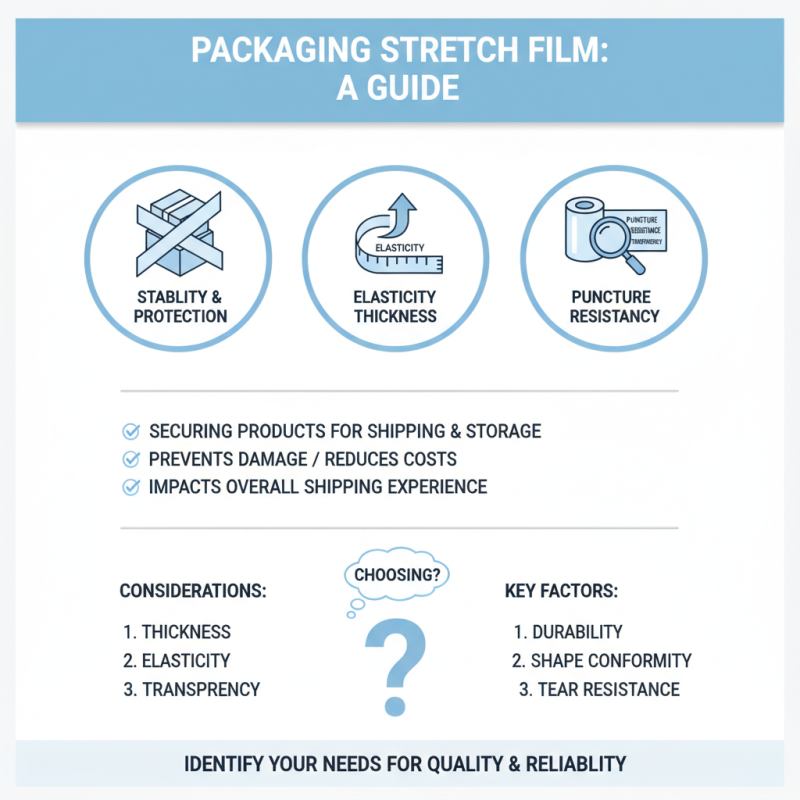
When it comes to packaging, choosing the right Stretch Film is crucial. This material plays a vital role in securing products for shipping and storage. It provides stability and protection, ensuring goods arrive safely. Understanding the various types of Stretch Film is essential for making an informed choice.
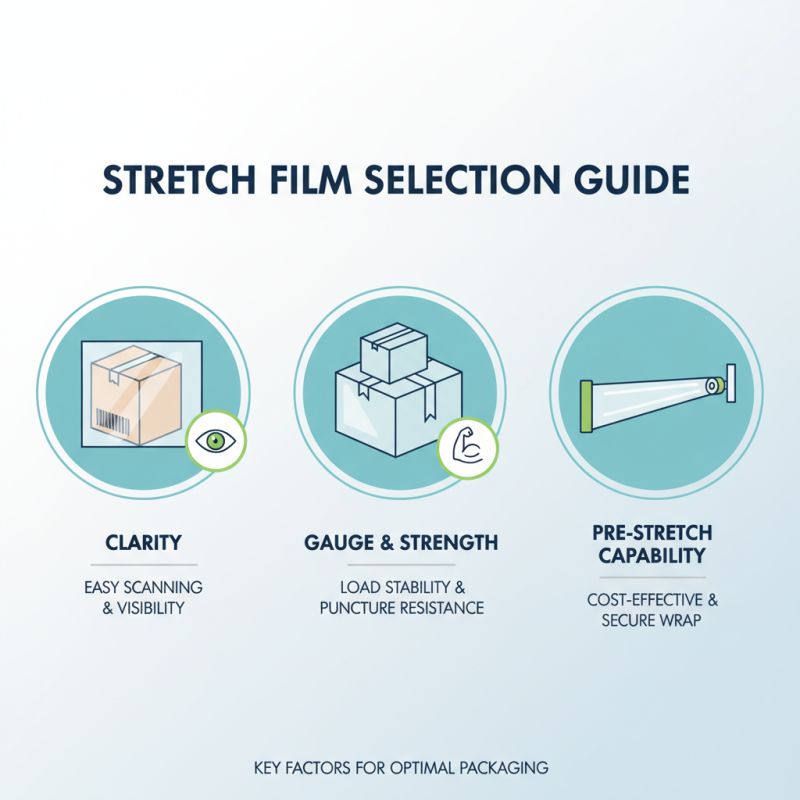
Consider thickness, elasticity, and transparency when selecting Stretch Film. Different applications may require different characteristics. For instance, thicker films offer more durability, while high-stretch options can wrap oddly shaped items better. Look for films that can resist punctures and tears. A reliable Stretch Film can prevent damage and reduce costs.
Choosing the best Stretch Film can be overwhelming. There are numerous options available, each with unique features. Identify your specific needs before making a decision. This process can reveal insights into the importance of quality and reliability in packaging materials. Always remember that the effectiveness of your Stretch Film greatly impacts your overall shipping experience.
Types of Stretch Film Used in Packaging
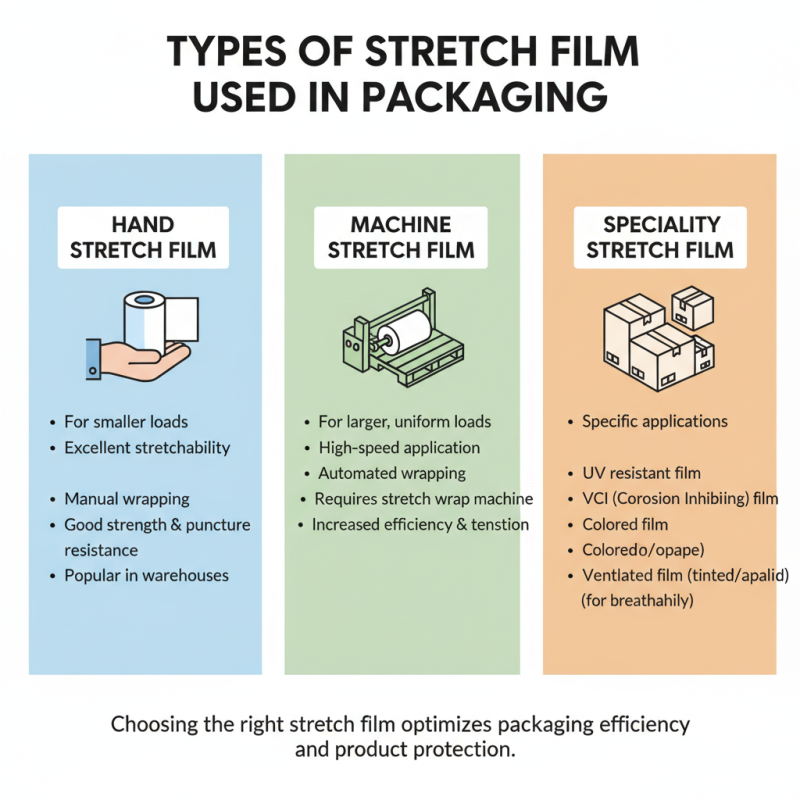
When choosing stretch film for packaging, understanding the types available is essential. Stretch film can be broadly categorized into three types: Hand stretch film, machine stretch film, and specialty stretch film. Hand stretch film is typically used for smaller loads and provides excellent stretchability. It is ideal for manual wrapping and offers good strength and puncture resistance, making it a popular choice in many warehouses.
Machine stretch film, on the other hand, is designed for high-speed applications. It is used in automated systems to wrap pallets quickly. The 2020 Market Research Report indicated that machine stretch film accounts for about 40% of the total stretch film market due to its efficiency and strength. These films can withstand more tension compared to hand films, thus providing better load stability.
Specialty stretch films serve specific purposes, such as UV protection or anti-static properties for sensitive products. These films often include additives that enhance their performance. According to a report by the Flexible Packaging Association, approximately 20% of the stretch film market is made up of specialty films. These unique films can address niche needs but may be more costly and require careful consideration of their application.
Understanding the Importance of Film Thickness
When selecting stretch film for packaging, film thickness plays a crucial role. Thicker film provides better strength and resistance to punctures. However, it can be heavier, affecting shipping costs. Finding the right balance between durability and flexibility is key.
Tips: Assess your specific packaging needs. If you're wrapping heavy items, opt for a thicker gauge. For lighter products, a thinner film may suffice.
Consider the intended use of the film. A thicker material can handle rough handling during transport. Yet, using excess thickness can lead to waste. Regularly evaluate your packaging process to enhance efficiency.
Always monitor how the film performs with your products. If you notice damage or excess wrapping, it may be time to rethink your choice. Adjusting thickness can significantly impact cost and protection. Strive for an optimal thickness that aligns with your operational needs.
Best Stretch Film Thickness for Packaging
Evaluating Stretchability and Load-Holding Capacity
When selecting stretch film for packaging, understanding stretchability is crucial. Stretchability refers to how much the film can elongate without breaking. This property affects the film's ability to conform to various shapes. A highly stretchable film can wrap around irregular items tightly. This creates a secure hold and prevents shifting during transport. Not all films stretch the same way. Conducting tests can reveal which type performs best under different conditions.
Load-holding capacity is another key factor. This term describes a film's ability to cling to itself while keeping products stable. A film with a high load-holding capacity can maintain its grip over time, reducing the risk of load shifting. Test various films to find out which holds up best under weight. Consider how critical it is for your package integrity. Keep in mind that a film may stretch well but might not hold its grip. Balancing these two factors is essential for optimal packaging outcomes.
Evaluate your specific needs. Do you need more stretchability or stronger load-holding? The answer will vary for each application. Not every option will suit every situation. Take your time to analyze and test. The right choice can save you money and enhance your packaging efficiency.
Best Stretch Film for Packaging - Evaluating Stretchability and Load-Holding Capacity
| Film Type |
Stretchability (%) |
Load-Holding Capacity (lbs) |
Thickness (mil) |
Color |
| Standard Stretch Film |
300% |
1,200 lbs |
80 mil |
Clear |
| Pre-Stretched Film |
150% |
800 lbs |
60 mil |
Black |
| Machine Stretch Film |
250% |
1,500 lbs |
90 mil |
Clear |
| Colored Stretch Film |
200% |
1,000 lbs |
75 mil |
Green |
Environmental Considerations for Stretch Film Packaging
When choosing stretch film for packaging, environmental considerations are crucial. According to the Flexible Packaging Association, flexible packaging accounts for nearly 19% of plastic waste. Transitioning to eco-friendly materials is essential for sustainability. Recycled and biodegradable films are becoming more popular in industry practices. These films help reduce carbon footprints significantly, offering similar protection as conventional options.
Tips for selecting stretch film include checking for certifications. Look for options that meet recycling standards. The industry is shifting towards materials that are not just effective but also less harmful to the environment. Bioplastics made from renewable resources are increasingly viable alternatives. Research from Smithers Pira indicates that the demand for sustainable packaging will reach $1 trillion by 2027.
Evaluating packaging’s environmental impact is necessary. Many companies are still relying on traditional materials without considering their long-term effects. Transparency in sourcing is critical for consumers today. Utilizing life cycle assessments can provide insights into the ecological consequences of different packaging choices. This knowledge is vital for making informed decisions.