How to Choose the Best Clear Sealing Tape for Your Needs?
Choosing the right Clear Sealing Tape can make a significant difference in your projects. It plays a crucial role in packaging, crafting, and repairs. With so many options on the market, it’s essential to understand what to look for.
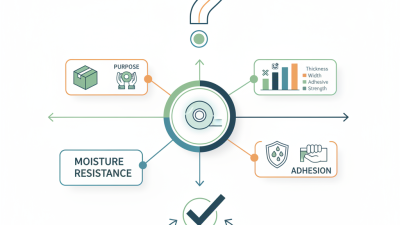
Consider the specific needs of your task. Are you sealing boxes, repairing items, or crafting? The purpose will guide your choice. Clear Sealing Tape varies in strength, width, and adhesion. Each type has its advantages and drawbacks that might affect your projects. Look for tapes designed for durability if you need long-lasting results.
Additionally, the quality of Clear Sealing Tape matters. High-quality tapes provide better adhesion and resistance to wear. However, finding a balance between cost and reliability can be tricky. You might find cheaper options that work well initially, but they may fail over time. Be prepared to experiment and reflect on your experiences. It’s about finding what uniquely fits your needs.
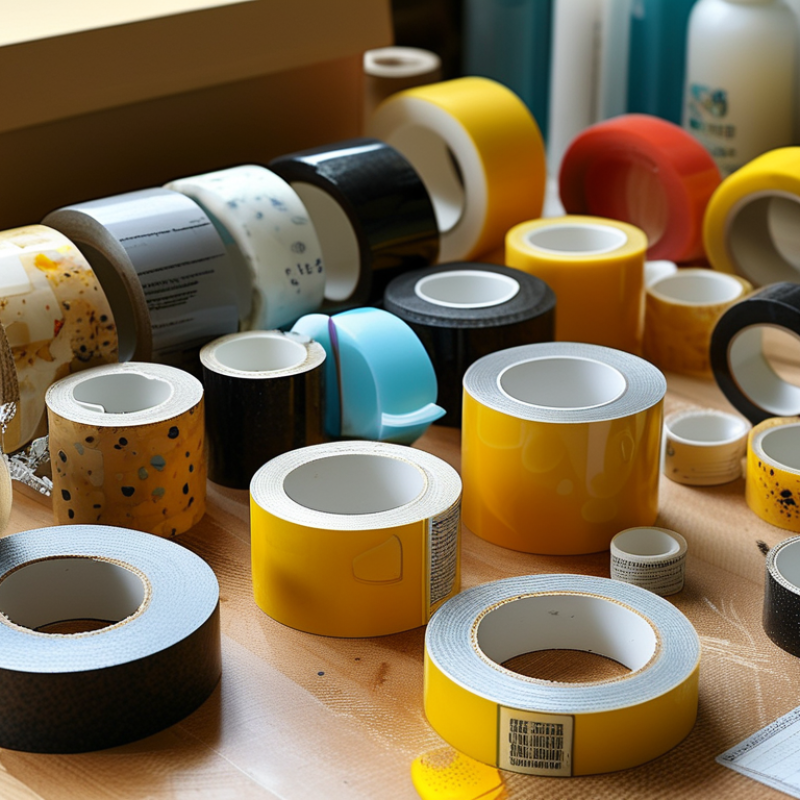
Understanding the Different Types of Clear Sealing Tape Available
Choosing the right clear sealing tape can feel overwhelming. There are several types, each with unique properties. One commonly used type is polypropylene tape. It's lightweight and has good clarity, making it great for lighter packages. However, its adhesion can weaken in humid conditions.
Another popular option is PVC tape. This tape is thicker and offers better durability. It's ideal for heavier shipments but can be harder to cut. Many users prefer its strength, yet it may not always adhere well to irregular surfaces.
Additionally, consider the width and thickness of the tape. Standard widths range from 1 to 3 inches, while thickness affects durability. Buyer experiences vary based on their specific needs. Always test a sample when possible. Finding the best tape requires consideration and sometimes a bit of trial and error.
Comparison of Different Types of Clear Sealing Tape
Key Factors to Consider When Selecting Clear Sealing Tape
When selecting clear sealing tape, several key factors should guide your decision. The tape's adhesive strength is crucial. According to a 2022 industry report, high-tack adhesives generally provide better performance for heavy-duty tasks. However, overly aggressive adhesives can leave residue on surfaces. This balance is essential for different applications.
Consider the tape's thickness as well. Thicker tapes tend to resist tearing, which is a vital attribute for packaging larger items. A study by the Packaging Institute noted that tapes thicker than 3 mil are often preferred in industrial settings. Nevertheless, thicker tapes can be more challenging to cut and may require special dispensers. Finding the right thickness can depend on your specific needs and usage frequency.
Finally, evaluate the tape's clarity and durability. Some applications require a clear look, especially for professional presentations. A survey conducted in 2023 indicated that 72% of respondents preferred tapes that maintained transparency after application. However, clarity should not compromise operational durability. Long-term exposure to heat or sunlight can degrade some types of tape. Always assess your environment before making a choice.
Evaluating Adhesive Strength and Performance for Your Application
When evaluating adhesive strength and performance, it’s essential to consider your specific needs. Different projects require varying levels of adhesion. For instance, lightweight tasks might only need minimal stickiness, while heavy-duty applications necessitate stronger bond capabilities. Checking the tape’s tensile strength can give you an idea of its durability.
Look for tapes that have been tested under pressure. This can show how they perform in real conditions. Not all clear sealing tapes have the same quality. Some may lose adhesion over time, which could be an issue for long-term projects. Pay attention to the environment where you’ll use the tape. Humidity and temperature can affect performance.
It’s also worth noting that not every user may need the strongest tape available. Sometimes, the best choice is about balance. A tape that seals well but isn’t overly sticky might be ideal for certain applications. Reflecting on past experiences can inform your decisions. Consider what has worked before and what hasn’t.
Assessing Durability and Weather Resistance of Sealing Tapes
When selecting a clear sealing tape, assessing its durability and weather resistance is crucial. A durable tape withstands wear and tear over time. Look for tapes made from high-quality materials that can handle varying temperatures and humidity levels. For outdoor use, ensure the tape can resist UV rays. Some tapes lose adhesion quickly when exposed to sunlight.
Weather resistance is just as vital. Rain, snow, and wind can deteriorate inferior sealing tapes. Consider how the tape performs in extreme conditions. Testing a sample outdoors can help assess its longevity. Pay attention to user reviews focusing on real-world performance. They provide insights that specifications may not cover.
Not every product performs perfectly. Some tapes may stick well but peel off under pressure. Others might lose clarity over time. Be aware of these issues and gather as much information as possible. Reflecting on these factors can guide you in making a more informed decision. The right tape should align with your specific needs and environmental challenges.
Tips for Proper Application and Storage of Clear Sealing Tape
When applying clear sealing tape, consider the surface you are working on. Clean and dry surfaces ensure better adhesion. Dust or grease can compromise the tape’s performance. For best results, wipe the area with a damp cloth and let it dry completely before application.
It's vital to store sealing tape properly. Keep it in a cool, dry place. Excessive heat can cause the adhesive to degrade. If tape is left in direct sunlight, it may lose stickiness. Use a plastic container to protect it from dust and moisture, which can also affect its longevity.
Make sure to measure the length of tape you need. Cutting too much can lead to waste. Always test a small piece first to check if it sticks well. If you notice bubbles during application, try to smooth them out gently. Being patient can lead to a cleaner outcome. Many people overlook these details, which can lead to frustration later.
Consider these factors for the best results with your clear sealing tape.