How to Choose the Best Cello Tape for Your Needs?
Choosing the best Cello Tape can feel overwhelming. With so many types available, how do you know which one suits your needs? Cello Tape varies in quality, adhesion, and size, making it essential to evaluate your specific requirements.
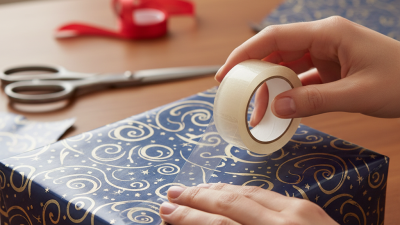
Consider your projects. Are you using Cello Tape for gift wrapping, school projects, or professional presentations? Each task might require different tape characteristics. The right tape should hold firmly but also allow for easy removal when needed. Think about transparency and thickness as well; they can affect the final appearance of your work.
Trusting brands with a good track record is vital. Look for reviews from experienced users. However, remember that personal preferences play a role too. What works for someone else might not work for you. Test a few options to find your best fit. This process may involve some trial and error, but finding the perfect Cello Tape will pay off in the long run.

Understanding the Different Types of Cello Tape Available in the Market
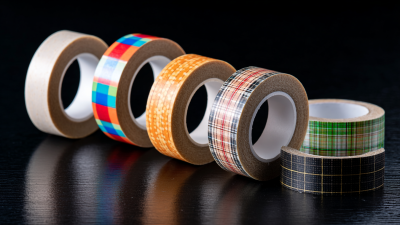
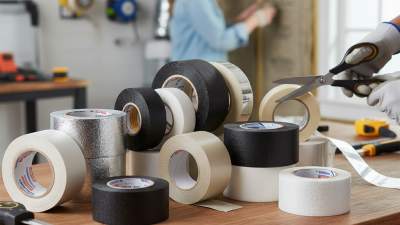
Choosing the right cello tape can be challenging with so many options available. Understanding the various types can help you make an informed decision. There are primarily four main types: standard, double-sided, heavy-duty, and specialty tape. Each type serves a unique purpose, tailored for different tasks.
Standard cello tape is excellent for everyday use. It is versatile and easy to find. Double-sided tape offers a neat finish by hiding the adhesive side, perfect for crafts. Heavy-duty tape boasts stronger adhesion, suitable for securing heavier materials. Specialty tape, such as acid-free tape, is ideal for archival purposes. According to a recent industry report, the demand for eco-friendly options has surged, leading to more sustainable tape choices on the market.
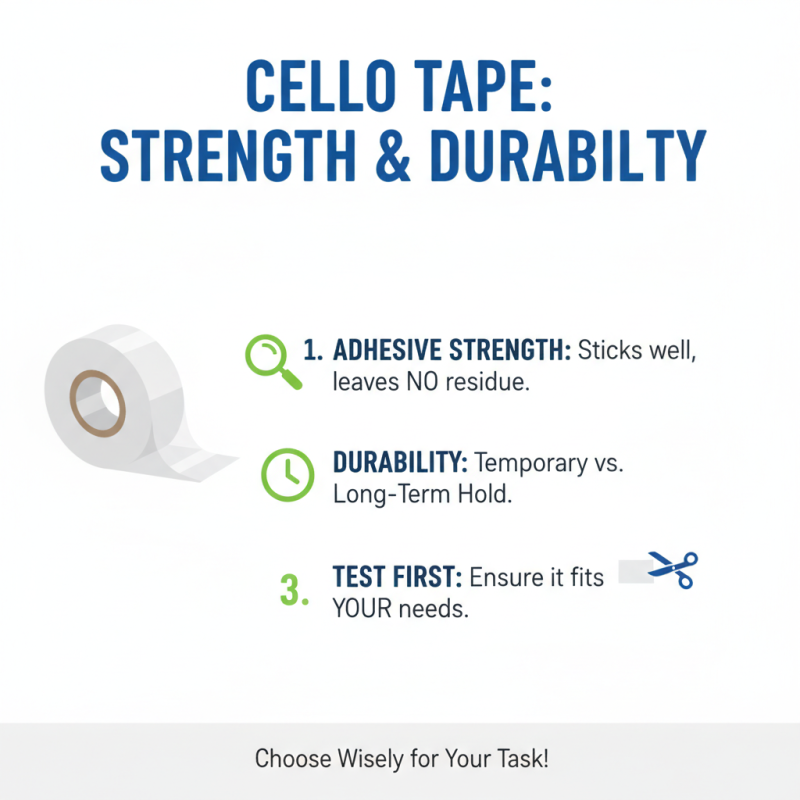
Tips: Always test tape on a small area first. This helps to check for residue. Consider the tape width for different projects. A wider tape may provide better coverage for bulky items. Lastly, think about the environment. Opt for biodegradable or recyclable options when possible. Balancing quality and cost is crucial; cheaper tape might not last. Take some time to evaluate what works best for your needs.
How to Choose the Best Cello Tape for Your Needs?
| Type of Cello Tape |
Width |
Length |
Adhesive Type |
Best For |
| Standard Cello Tape |
18mm |
25m |
Clear Acrylic |
General Use |
| Heavy-Duty Cello Tape |
24mm |
50m |
Solvent-Based |
Packaging |
| Double-Sided Cello Tape |
12mm |
32m |
Acrylic |
Crafts and DIY |
| Washable Cello Tape |
15mm |
20m |
Water-Soluble |
Temporary Fixes |
| Invisible Cello Tape |
19mm |
25m |
Acrylic |
Gift Wrapping |
Considering Width and Thickness Options for Optimal Usage
When selecting cello tape, width and thickness are crucial. Different projects require different specifications. For instance, a wider tape is ideal for large surfaces, ensuring complete adhesion. A narrow tape works better for delicate tasks, allowing for precise application.
Thickness also matters. A thicker tape offers stronger hold and durability. It can bear weight well and withstand various conditions. On the other hand, thinner tape is often easier to cut and manage, making it suitable for detailed work. Remember to assess your needs carefully. Reflect on the job at hand. Sometimes, the best choice isn’t the most obvious one.
Testing various options can provide insight. Take note of how each tape behaves during use. Pay attention to adhesion and removal. It’s important to consider how well the tape performs in your specific projects. This experiential knowledge will help refine your choice further.
Optimal Cello Tape Width and Thickness Selection
Assessing Environmental Factors and Tape Performance
When choosing cello tape, environmental factors play a crucial role. Understanding the surface you will be working on is essential. Some tapes work best on smooth surfaces, while others perform better on rougher materials. Check for temperature and humidity conditions. Extreme temperatures can affect adhesion. This knowledge can help you avoid unexpected failures.
Moreover, the tape's material impacts its performance. Consider the longevity of your application. Different types of adhesives can respond variably over time. For instance, some tapes lose stickiness when exposed to sunlight. Reflect on your specific needs. Will the tape be used indoors or outdoors? Assess how environmental elements may compromise its effectiveness.
Lastly, pay attention to user experiences. Reviews can provide insights into how well a tape performs under different conditions. However, not every user has the same experience. One person's preferred choice may not suit another's needs. Experiment and test various options to find what works best for you. This approach can help mitigate potential challenges.
Comparing Brand Reputation and User Reviews Before Purchase
When choosing cello tape, evaluating brand reputation and user reviews is crucial. Guidelines from experts and past users can guide your decision. Established brands often have a track record that reflects quality and reliability. Reviews reveal real-world experiences. They highlight both strengths and weaknesses of different tapes.
Tip: Look for user reviews that mention durability. A tape that tears easily can lead to frustration. Consider tapes that withstand various conditions, such as temperature and humidity.
User feedback can be inconsistent. One user may love a product, while another may find it untrustworthy. Pay attention to recurring themes in reviews. This helps in identifying potential issues.
Tip: Check for reviews on multiple platforms. Each platform may offer unique perspectives. A combination of insights can create a broader understanding.
Don't overlook the importance of your specific need. Not all tapes are suitable for every task. Review how users tested the tapes. This information can lead you to the best choice for your situation.