How to Choose the Best Clear Packing Tape for Your Needs?
When it comes to finding the right Clear Packing Tape, expert opinions matter. John Smith, a packaging specialist with over a decade of experience, emphasizes, "Choosing the right tape can make all the difference in shipping safely." This simple choice impacts how your packages arrive, whether at home or a business.
Clear Packing Tape is essential for a variety of applications. It's not just about sealing boxes; it's about ensuring that your items are secure. However, many people overlook vital aspects when selecting tape. Some tapes may not hold up under stress or extreme temperatures. Quality varies, and the wrong tape can lead to damaged goods.
Understanding your needs is crucial. Do you need something durable for heavy items? Or lightweight for movies and books? Researching options is necessary. Relying on reviews and expert advice can guide you toward the best choices. The right Clear Packing Tape not only saves time but also money, ensuring your items reach their destination intact.
Understanding the Different Types of Clear Packing Tape Available
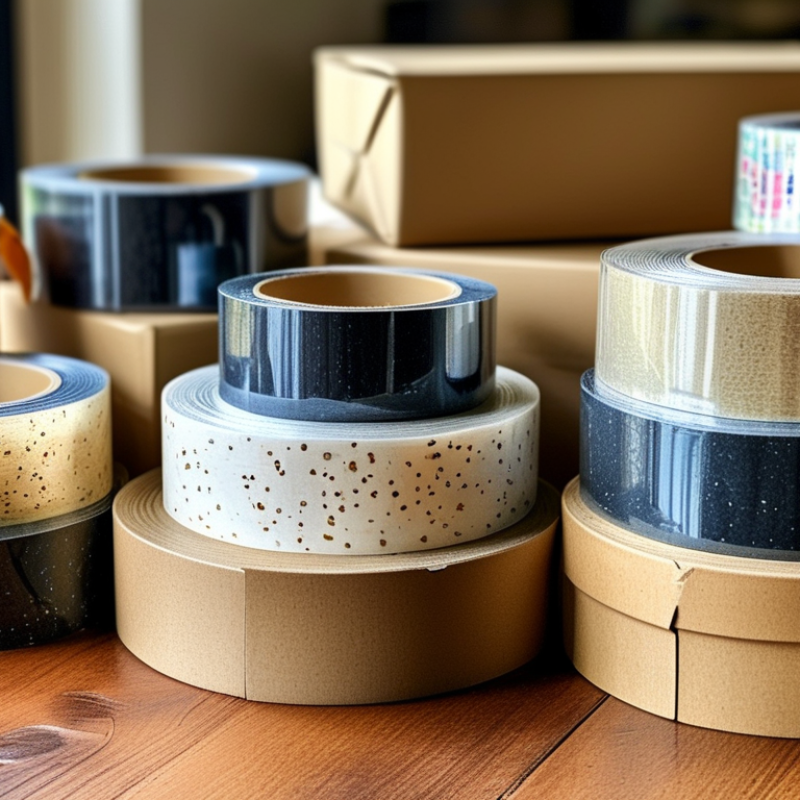
When it comes to packaging for shipping or storage, clear packing tape is essential. Understanding the types of clear packing tape available can help you choose the right one for your specific needs. Generally, two main types dominate the market: acrylic and hot melt tape. Acrylic tape is known for its strength and longevity, while hot melt tape boasts a quick bond and is ideal for heavy parcels.
According to a report from the Pressure Sensitive Tape Council, acrylic tape lasts longer when exposed to UV light, making it preferable for long-term storage. Contrarily, hot melt tape has been shown to adhere better to rough surfaces. The choice depends on where and how you will use the tape. If it’s for indoor use, hot melt may suffice. If the tape will be exposed to the elements, acrylic is the better option.
There are also different widths and thicknesses of packing tape to consider. Thinner tape is often less expensive but may not hold heavier packages securely. Many users find that a 2-inch wide tape offers a balance between cost and performance. However, not all tapes are created equal, and it’s crucial to test a sample for your application. Going for the cheapest option may leave you with unsatisfactory results.
Evaluating Adhesive Strength: Which Type Suits Your Needs Best?
When choosing clear packing tape, adhesive strength is crucial. Different projects require varying levels of adhesion. A strong adhesive is essential for heavy items, while a lighter adhesive suits lighter tasks. Know the weight and fragility of your packages before deciding.
Consider the surface you'll be using the tape on. Some adhesives work better on rough surfaces, while others stick best to smooth ones. Testing a small piece can save you headaches later. Depending on the environmental conditions, some tapes may perform poorly, losing adhesion in humid areas. Always factor in your location.
Pay attention to the tape's thickness. A thicker tape may offer more strength, but it can also be harder to cut. For everyday use, a standard thickness often suffices. If you have unique needs, like long-term storage, choose a tape designed for such purposes. Each choice has trade-offs, so weigh them against your specific needs.
Considering Tape Width and Thickness for Various Applications
When selecting clear packing tape, width and thickness are crucial for various applications. The thickness of the tape, often measured in mils, greatly affects its strength. A tape with a thickness of 1.5 to 3 mils is typically suitable for standard packaging needs. However, heavier loads may require thicker tapes, often exceeding 3 mils. According to industry reports, 50% of users prefer tapes with a thickness of 2 mils for medium-duty tasks.
Tape width also plays a significant role in effectiveness. Standard widths range from 1 inch to 2 inches. A wider tape offers more surface coverage and is more efficient for sealing larger boxes. Research shows that using tape that is at least 2 inches wide can reduce the likelihood of breakage during transport by up to 30%. It’s essential to assess the size of the items being packed and choose accordingly.
Here are some important considerations: Always test tape samples with your packaging materials. This helps prevent unexpected failures. Observe how the tape adheres under different environmental conditions. Humidity can weaken adhesive strength. Keeping these factors in mind helps ensure the best choice for your packing tape needs.
Clear Packing Tape Comparison Based on Width and Thickness
This chart displays the adhesion strength of clear packing tape based on differing widths and thicknesses. As the width and thickness of the tape increase, we generally observe an increase in adhesion strength, making it suitable for various applications.
Assessing Durability and Weather Resistance Features in Packing Tape
When selecting the ideal clear packing tape, durability and weather resistance are crucial factors. A robust tape should withstand wear and tear during transportation. Look for tapes that can handle varying temperatures and humidity levels. Such features ensure that your packages remain sealed, even in challenging conditions.
Consider the tape's adhesive quality as a key aspect of its weather resistance. A strong adhesive prevents water and moisture from seeping through. This is especially important for outdoor storage or shipping in wet climates. However, not all tapes perform well under extreme weather. Conducting small tests can reveal how well a tape adheres under different situations.
Another point to ponder is the tape's thickness. A thicker tape might offer better durability but can be less flexible. Conversely, a thinner tape may be easier to handle but might not hold up as well in adverse conditions. Evaluating these trade-offs is essential to finding a tape that suits your specific needs.
How to Choose the Best Clear Packing Tape for Your Needs?
| Tape Type |
Durability (lbs) |
Weather Resistance |
Price per Roll ($) |
User Rating (out of 5) |
| Standard Clear Tape |
10 |
Moderate |
2.50 |
4.2 |
| Heavy Duty Packing Tape |
25 |
High |
4.00 |
4.8 |
| Weather Resistant Tape |
15 |
Very High |
3.50 |
4.5 |
| Eco-Friendly Tape |
12 |
Moderate |
3.00 |
4.0 |
| Industrial Packing Tape |
30 |
High |
5.00 |
4.9 |
Cost vs. Quality: Finding the Right Balance for Your Packing Needs
Choosing the right clear packing tape often involves balancing cost and quality. Many buyers assume that the cheapest option will suffice. However, studies indicate that lower-cost tapes may not adhere as well or maintain integrity over time. In fact, reports show that nearly 30% of packing failures relate to subpar adhesive performance. Investing in quality can reduce overall costs by minimizing package failures.
Quality tape offers better adhesion and durability. It often features more robust materials, enhancing its resistance to temperature fluctuations and wear. A buyer’s decision should consider the type of items being packed. For fragile or valuable items, a higher-quality tape is advisable, as this can prevent damage and additional expenses.
One critical aspect is to evaluate the tape's thickness and tensile strength. Thicker tapes often provide better sealing. It’s worth noting that many low-cost options lack sufficient tensile strength. Conducting tests, such as pulling a piece across a surface and observing its stickiness, can provide insights into its potential performance.
A common mistake is overlooking the environmental impact of tape. Some cheaper tapes may not be recyclable. Always check the packaging for sustainability information. Weighing these factors, including long-term cost savings and environmental effects, is essential in the decision-making process.