How to Choose the Best Clear Sticky Tape for Your Projects?
Choosing the right Clear Sticky Tape can significantly impact your project's outcome. According to industry reports, the adhesive tape market is expected to reach $68 billion by 2025. This growth showcases the critical role that quality tape plays in various applications, from crafts to industrial uses. Selecting the best option may seem straightforward, yet various factors require careful consideration.
The performance of Clear Sticky Tape varies widely. Factors such as adhesion strength, thickness, and transparency are paramount. For instance, tapes labeled as 'invisible' may not always meet expectations in terms of durability. In practice, many users report dissatisfaction due to poor adhesion during critical applications. Evaluating user reviews and expert insights can provide a clearer picture of what to expect.
Moreover, the environmental impact of these products is becoming increasingly relevant. A recent study indicated that over 40% of consumers prefer eco-friendly tapes. This shift requires a thoughtful approach to selection. Reflecting on these aspects can lead to better choices and enhanced project success.

Understanding the Different Types of Clear Sticky Tape Available
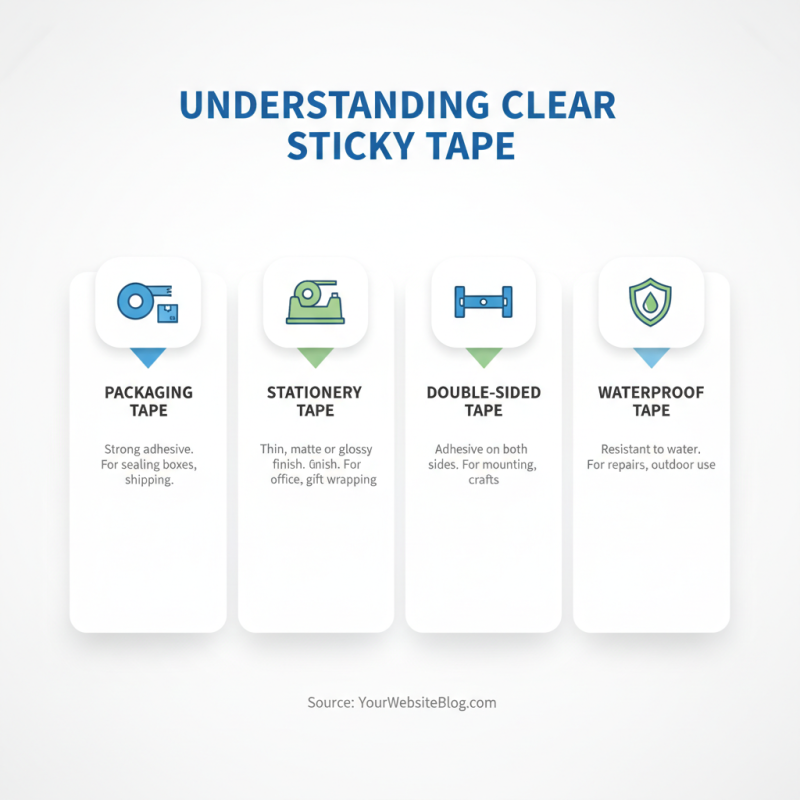
When selecting clear sticky tape, understanding its various types is crucial for effective project execution. Different tapes serve unique purposes, making your choice significant. Let's explore some widely used types.
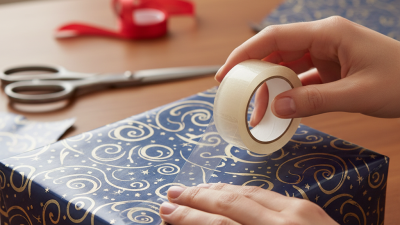
Standard clear tape is versatile. It is great for wrapping gifts and light repairs. Its adhesive is strong for most household tasks, but it may not withstand heavy use. For arts and crafts, you might prefer double-sided tape. This type allows seamless attachment of materials without visible tape lines.
Consider your specific project needs. For outdoor use, opt for weather-resistant tape. This ensures durability against moisture and temperature changes. Always check whether the tape can adhere to your project surfaces effectively.
Tips: Always test a small piece first. This helps you gauge how well the tape holds on your chosen surface. If a tape seems to peel or lift, reconsider your option. Remember, the best clear sticky tape is the one that meets your needs without compromise.
Evaluating Adhesive Strength for Specific Project Needs
Choosing the right clear sticky tape is essential for any project. Evaluating adhesive strength is a key factor. Not every project requires the same level of adhesion. Understanding your specific project needs can help narrow down your options.
For lightweight projects like crafts, a medium-strength tape may suffice. It provides adequate holding power without causing damage. On the other hand, heavy-duty tasks, such as securing large items, need stronger adhesive. Assess the materials you are working with. Some surfaces are more challenging to adhere to.
Tips for evaluating adhesive strength: Always test the tape on a small area first. This prevents damage to your main project. Look for transparency in the adhesive when applied. A clear bond is critical for aesthetic projects. Additionally, check for residue after removal. If it leaves a sticky mess, it may not be reliable for future use.
Finally, consider the environment. Humidity and temperature can affect adhesive performance. A well-informed choice can lead to more successful outcomes in any endeavor. Don't hesitate to experiment with different tapes. Reflect on what works best for you over time.
How to Choose the Best Clear Sticky Tape for Your Projects? - Evaluating Adhesive Strength for Specific Project Needs
| Tape Type |
Adhesive Strength (kg) |
Thickness (mm) |
Length (m) |
Best Use Case |
| Clear Packing Tape |
5.0 |
0.05 |
50 |
Sealing boxes and packaging |
| Double-Sided Tape |
3.2 |
0.08 |
10 |
Craft projects and mounting |
| Invisible Tape |
2.0 |
0.06 |
25 |
Document mending and photo displays |
| High-Strength Tape |
7.5 |
0.1 |
20 |
Heavy-duty applications |
| Eco-Friendly Tape |
4.0 |
0.07 |
30 |
Sustainable projects |
Reviewing the Durability and Longevity of Clear Sticky Tape
When selecting clear sticky tape, durability and longevity are crucial aspects. Research indicates that high-quality tapes can last beyond five years when stored properly. The adhesion strength decreases over time due to environmental factors like humidity and temperature fluctuations. This information is vital for ensuring your projects remain intact for the long haul.
Before buying, consider these tips: Look for tapes featuring weather-resistant properties. Many tapes break down under sunlight exposure, leading to reduced stickiness. Testing the clarity and thickness can also help gauge its performance. Plus, remember that a tape's storage conditions significantly impact its lifespan. Avoid placing your tape in humid or extreme temperatures.
Not all clear sticky tapes are made equal. A common issue with lower-grade options is that they tend to yellow and lose adhesive qualities. This can be frustrating during essential projects. Conduct a peel test when possible. A tape that loses its adhesion easily is not a reliable option for long-term use.
Considering the Width and Length Options for Your Projects
When selecting clear sticky tape for your projects, width and length options play a crucial role. The right dimensions can dramatically affect both the functionality and appearance of your work. According to a report by the Adhesive Tape Manufacturers Association, the average width for general applications ranges from 0.5 inches to 2 inches. Choosing a width that fits your specific task ensures better coverage and adhesion. For larger areas, wider tape is recommended. 1-inch tape can often handle everyday tasks effectively.
Length is another critical consideration. Standard rolls typically range from 10 to 100 yards. Shorter lengths may be suitable for small, quick fixes. In contrast, longer rolls are essential for extensive crafting or packaging. The cost-effectiveness of longer rolls cannot be overlooked, especially for regular users. In fact, data shows that purchasing larger lengths reduces the cost per yard significantly. However, overestimating needs can lead to tape becoming unusable over time.
It's also vital to consider potential misuse. Some may choose a width that's too narrow for the job, causing frustration. A more home improvement-focused audience often overlooks the significance of precision in width. Wider tape may peel or bubble if not applied correctly, which leads to wasted resources. Reflecting on previous projects can inform better choices next time. Always keep in mind how the dimensions affect your work for optimal outcomes.
Comparison of Clear Sticky Tape Widths and Lengths for Various Projects
Assessing Cost-Effectiveness and Brand Reputation in Tape Selection
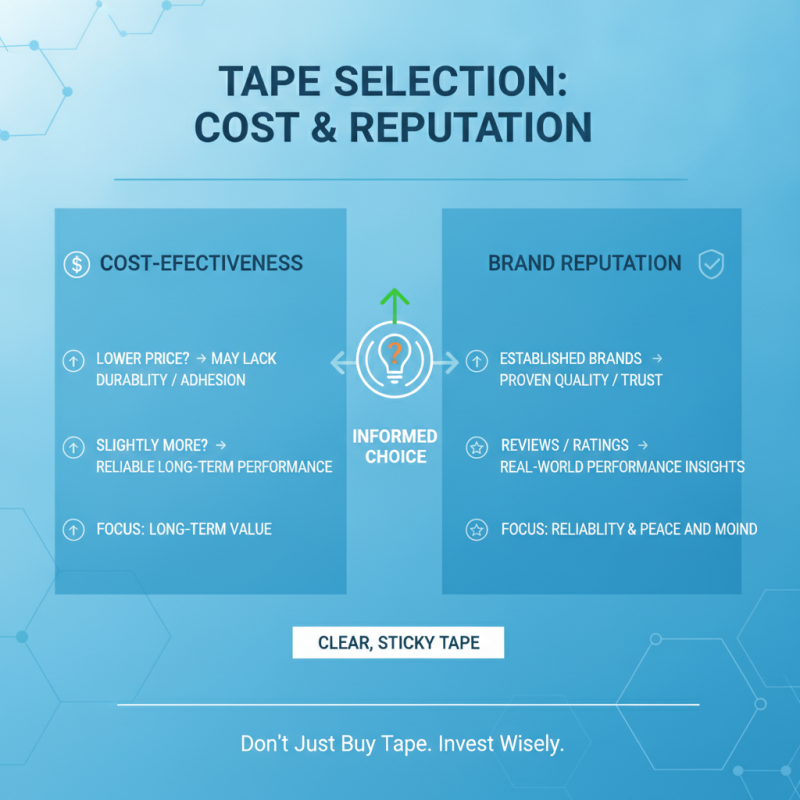
Choosing the right clear sticky tape requires careful consideration of cost-effectiveness and brand reputation. A lower-priced tape may seem enticing, but it might lack durability or adhesion strength. Sometimes, spending slightly more can ensure the tape performs well over time. When you're investing in tape for projects, think about long-term value, not just the immediate cost.
Brand reputation plays a pivotal role in selection. Some brands have established trust through consistent product quality and performance. Researching user reviews can provide insight into how well a tape performs in various scenarios. However, keep in mind that individual needs can vary, and what works for one project may not suit another. Consider your own experiences with different tapes. Have you ever been disappointed by a well-reviewed brand? Reflection on past choices can guide your current tape selection.
Look for tapes that offer versatility and strong adhesion. Tape that’s too thin might tear far too easily. Even if a brand is known, testing samples can be beneficial. You might find that a lesser-known brand actually exceeds expectations. Balancing cost and quality often requires some trial and error, but it's a crucial aspect of enhancing project outcomes. Trust your instincts and adjust based on results.