How to Choose the Best Kraft Tape for Your Packaging Needs?
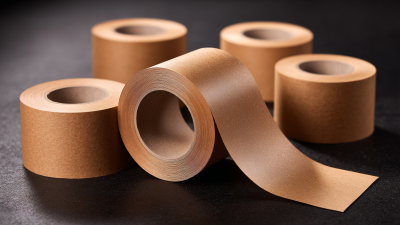
Choosing the right Kraft Tape for packaging can significantly impact your shipping success. Industry expert and packaging consultant David Reynolds states, "Selecting the right tape can enhance both protection and presentation." Kraft Tape is known for its strength and versatility, making it a top choice for many businesses.
When evaluating Kraft Tape, consider factors like adhesion, thickness, and width. Not all Kraft Tape is created equal. Some may not stick well to certain surfaces, leaving packages vulnerable. Additionally, the right thickness is essential; too thin might tear easily, while too thick could be overkill for lighter items. Understanding your specific needs is vital for making the best choice.
Many overlook the importance of testing samples before making a bulk purchase. This step can save time and money. Mistakes in selecting Kraft Tape can lead to damaged products and unhappy customers. Careful consideration and expert advice are critical in finding the right tape for your packaging needs.

Understanding Kraft Tape Types and Their Applications
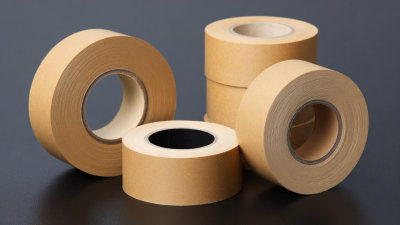
Kraft tape is a versatile packaging solution, widely used in various industries. Understanding the different types of kraft tape can help you make informed choices. There are a few common types. Single-sided kraft tape is ideal for lightweight boxes. It's easy to apply and provides a decent seal. Double-sided kraft tape offers more sticking power and is useful for securing items in place. This type can be tricky to handle, though, as improper application can lead to mess.
There are specific applications for each type of kraft tape. For instance, gummed kraft tape is water-activated and adheres strongly to surfaces. It’s suitable for heavier items and provides a tamper-evident seal. However, it requires additional steps during application since you need water or a dispenser. This could lead to errors if not managed properly.
Polypropylene or paper-backed kraft tapes serve different purposes as well. They are more flexible, making them suitable for wrapping and bundling. But they may not offer the same strength as gummed options. Consider factors like load weight and surface materials before choosing your tape. Each choice has its strengths and weaknesses, reflecting your unique packaging needs.
Assessing Adhesive Strength for Optimal Packaging Needs
When selecting Kraft tape for your packaging needs, adhesive strength is crucial. It ensures that packages stay securely closed during transit. A tape with inadequate adhesive can lead to product damage. Think about the weight and nature of your items. Heavier items require stronger adhesive qualities to withstand movement and pressure.
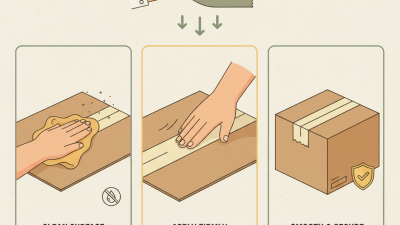
Tips: Test adhesive strength before using it widely. Apply the tape to a small package and assess how securely it holds. Dealing with different surfaces? Look for a tape designed to bond well with varied materials. This can improve overall effectiveness.
Consider environmental factors too. Humidity and temperature can affect adhesive performance. If you're in a humid area, you might need a tape with higher moisture resistance. Reflect on your packaging methods regularly. Are you using the right tape? Evaluating your approach can lead to better efficiencies and cost savings.
Kraft Tape Adhesive Strength Comparison
Evaluating Thickness and Durability for Different Shipping Conditions
When selecting Kraft tape for your packaging, thickness and durability are crucial. The right thickness ensures the tape can withstand various shipping conditions. For lighter packages, a thinner tape may suffice. However, heavier or bulkier items require thicker options for added strength.
Consider the environments your packages will face. Will they experience moisture, temperature changes, or rough handling? Durable tape is essential for such situations. It should adhere well to different surfaces and resist tearing or breaking. Evaluating the size and weight of your packages can guide you in choosing the appropriate tape.
You might find some tapes that perform decently under pressure, but may fail in cold environments. Testing a small sample can help assess its durability. Reflect on the compromises you may need to make on price versus performance. Not all tapes are created equal, and sometimes cheaper options lead to regrets.
Considering Environmental Impact and Sustainability Options
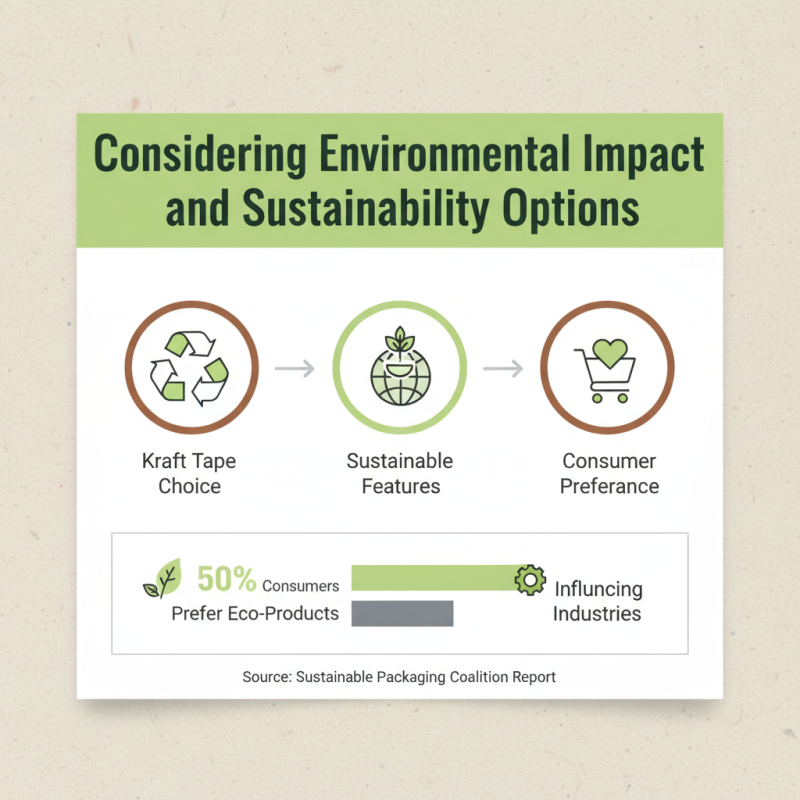
When choosing Kraft tape, consider its environmental impact. Many options on the market now offer sustainable features. According to a recent report by the Sustainable Packaging Coalition, around 50% of consumers prefer eco-friendly products. This demand is influencing packaging practices across industries.
Recycled material use in Kraft tape is rising. Ensuring the tape is made from at least 30% post-consumer waste can significantly lower its carbon footprint. When shopping, look for certifications like FSC (Forest Stewardship Council) to guarantee responsible sourcing.
Tip: Always check the sealant's adhesive type. Water-based adhesives are typically less harmful to the environment. Also, consider tape that is fully recyclable. While many Kraft tapes may appear eco-friendly, not all are biodegradable. Reflect on what truly aligns with your environmental values. Choose wisely for packaging that meets your needs while caring for the planet.
Identifying Cost-Effectiveness and Budget-Friendly Choices
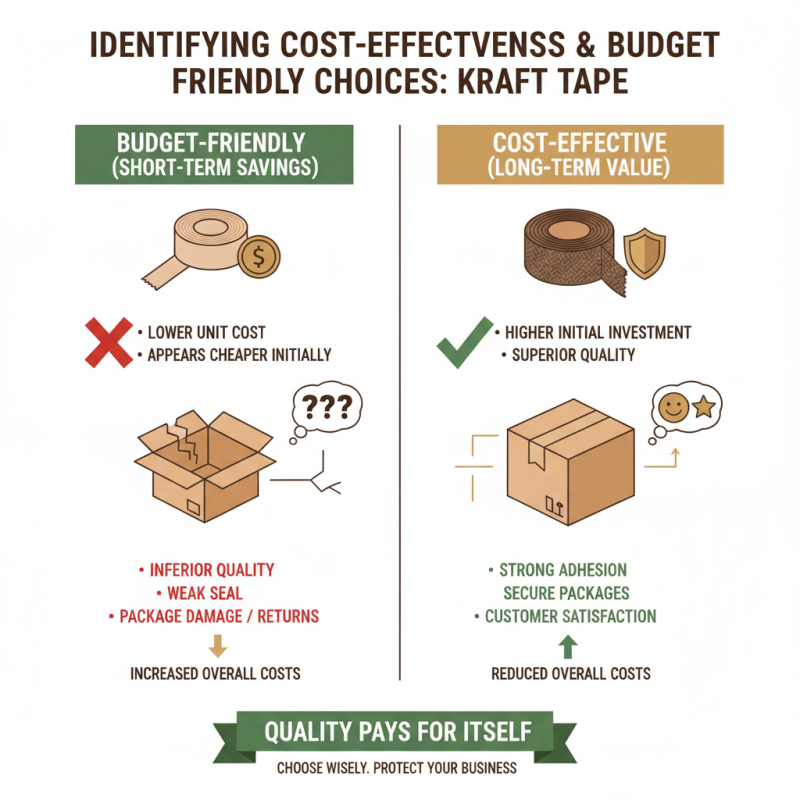
When it comes to packaging, selecting the best Kraft tape for your needs requires careful consideration of cost-effectiveness. Many businesses prioritize budget-friendly options, yet overlook quality. Using inferior tape might save money initially, but it could lead to issues later on, such as insufficient sealing or package damage.
Tips for finding cost-effective Kraft tape include evaluating the tape's adhesion strength. A strong adhesive will ensure packages remain secure during transit, reducing returns or damaged items. Additionally, consider the tape’s thickness. Thicker options may cost more but provide better durability.
It's also vital to assess the tape's material. Recycled Kraft tape can be a great eco-friendly option. Combining environmental responsibility with cost savings can enhance your brand value. Look out for bulk purchase options to receive discounts, but always check durability first. A cheaper price tag means nothing if the tape fails to perform. Balancing cost and quality is key.