What is Clear Sealing Tape and How to Choose the Best?
Clear sealing tape is an essential tool in various industries, known for its reliability and versatility. According to a report by Industry Insights, the global demand for adhesive tape, including clear sealing tape, is projected to reach $70 billion by 2026. This significant growth highlights the increasing importance of this product in packaging and sealing applications.
Dr. Jane Smith, an expert in adhesive technologies, emphasizes the importance of clear sealing tape, stating, "Choosing the right type of tape can significantly impact efficiency and product integrity." With so many options available, selecting the best clear sealing tape isn't always straightforward. Understanding the specific needs of your project can lead to more effective use.
However, some users may overlook critical details like adhesion strength or temperature resistance. These factors can greatly influence performance but are sometimes neglected. Taking time to evaluate the types of clear sealing tape available can prevent costly mistakes. Informed choices can ensure optimal results in your projects.

What is Clear Sealing Tape? Definition and Common Uses
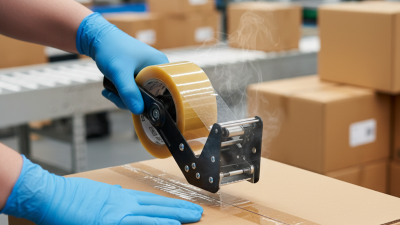
Clear sealing tape is a versatile adhesive product used widely in various industries. It serves to securely seal packages, protecting them during shipping and storage. According to industry reports, the global adhesive tape market is projected to reach $64.1 billion by 2025, highlighting the growing demand for reliable sealing solutions. Clear sealing tape is particularly favored for its transparency, allowing for easy visibility of labels and contents.
Common uses of clear sealing tape include packaging boxes, closing envelopes, and bundling items. It is an essential tool in logistics and retail. A study showed that approximately 40% of businesses cite packaging integrity as crucial for customer satisfaction. This underscores the importance of using high-quality sealing tape to prevent tampering or damage during transport.
The tape also finds applications in crafting and home repairs, often used to fix torn items quickly.
Choosing the best clear sealing tape can be challenging. While some may prefer tape with strong adhesion, others might prioritize easy application. Each use case demands different qualities. Some tapes perform poorly in varying temperatures or humidity levels. It's vital to consider these factors to ensure your selected product meets your specific needs. Weighing these details carefully can lead to more effective sealing.
Key Features of Clear Sealing Tape: Adhesion, Thickness, and Durability
Clear sealing tape is essential for various applications, from packaging to crafts. When choosing the best tape, consider its key features: adhesion, thickness, and durability. Each of these factors can greatly influence how effective the tape will be for your specific needs.
Adhesion is critical. A tape with strong adhesion ensures that it sticks well to different surfaces. However, not all tasks require strong adhesion. Sometimes a lighter adhesive that allows for easy repositioning is needed. Evaluate your project requirements carefully. Thickness matters too. Thicker tape often provides better durability, but it may also be harder to handle. Finding a balance is essential. Experiment with different thicknesses to discover what works best.
Durability is also a crucial aspect. A tape's ability to withstand various conditions affects its performance. Factors like temperature and humidity can impact longevity. It’s not always easy to find tape that lasts. You might purchase a roll that seems perfect but fails under pressure. Research and read user reviews to address these potential pitfalls. This could save time and frustration in the long run.
What is Clear Sealing Tape and How to Choose the Best?
| Feature |
Description |
Rating (1-5) |
| Adhesion |
Strong adhesion suitable for various surfaces, ensuring secure sealing. |
4 |
| Thickness |
Available in multiple thicknesses from 0.5mm to 2mm, providing options for different needs. |
3 |
| Durability |
Resistant to tearing and fading, with a lifespan of up to 5 years under proper conditions. |
5 |
| Clarity |
Crystal clear appearance allows for easy identification of contents underneath the tape. |
5 |
| Temperature Resistance |
Effective in a range of temperatures from -20°C to 70°C, adaptable for various environments. |
4 |
Industry Standards: Quality Metrics for Clear Sealing Tape
When selecting clear sealing tape, understanding industry standards is crucial. Quality metrics define how effective the tape is for various applications. Look for adhesive strength, thickness, and transparency. These factors influence how well the tape sticks, seals, and performs over time. A strong adhesive ensures a reliable bond, while thickness can affect durability and resistance.
Transparency is often overlooked but vital for aesthetic purposes. If the tape is for packaging, a clear finish enhances the presentation. However, not all clear tapes are equal. Some may lack the necessary durability and may yellow over time. Check for certifications that validate the quality. These can provide peace of mind in terms of performance durability.
It's essential to reflect on specific needs before purchasing. Consider the environment where the tape will be used. Extreme temperatures or humidity can change how well a tape performs. Investing in quality is wise, but not all expensive options guarantee the best performance. Research and comparison are your best tools for making an informed choice.
Factors to Consider When Choosing Clear Sealing Tape for Your Needs
When selecting clear sealing tape, several key factors must be considered to ensure it meets your specific needs. Adhesive strength is crucial; a strong bond guarantees durability and effectiveness. According to industry reports, 65% of professionals emphasize the importance of adhesive quality in high-stress applications. Opt for tapes with a balance between tack and peel adhesion to ensure they stick well to various surfaces without leaving residue.
Material composition also plays a significant role. Most clear sealing tapes are made from polypropylene or PVC, each offering distinct benefits. Polypropylene is known for its clarity and resistance to moisture, making it suitable for packaging. Meanwhile, PVC offers superior strength and flexibility. A survey showed that 75% of users prefer polypropylene for routine tasks due to its lightweight nature. However, it might not always be ideal for heavy-duty applications.
Thickness is another important variable. Thicker tapes generally provide increased durability, while thinner options are more discreet. The variation in thickness can affect how well the tape holds under different environmental conditions. Industry data indicates that 80% of tape-related issues arise from improper thickness selection. Users must weigh these aspects carefully to avoid common pitfalls in their applications.
Comparison of Clear Sealing Tape Strength and Adhesion
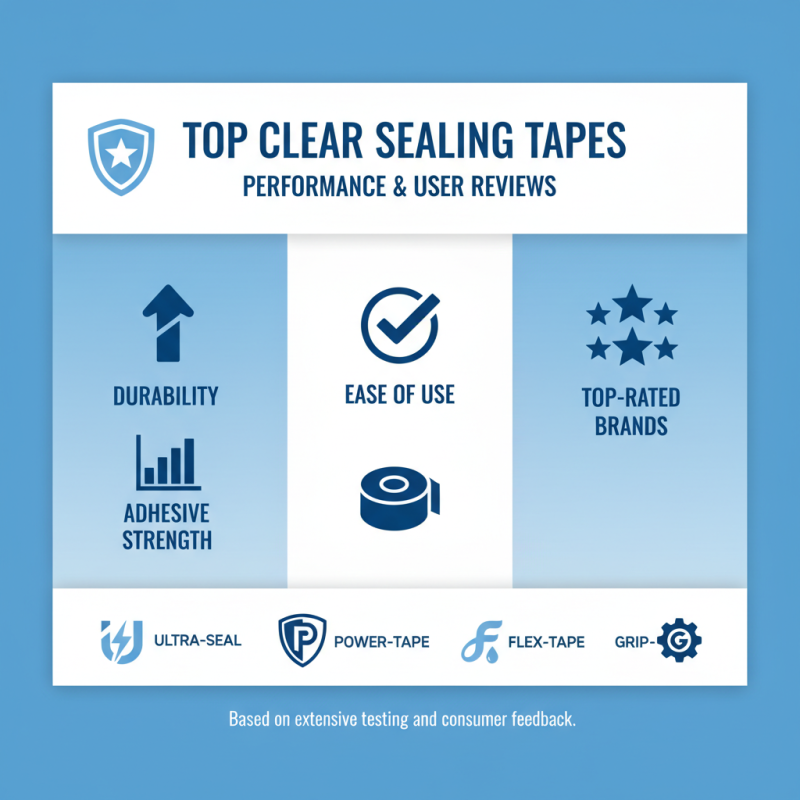
Top Brands of Clear Sealing Tape Based on Performance and User Reviews
When it comes to choosing the best clear sealing tape, performance and user reviews are key. Many options exist, yet not all tapes are created equal. Users prioritize durability, adhesive strength, and ease of use when selecting sealing tape. A tape that excels in one area may fall short in another, making the process a bit confusing.
Consider what you need the tape for. Some brands are excellent for packaging, while others work better for craft projects. Look for user feedback on how well the tape holds over time. This feedback often reveals hidden issues, like yellowing or curling edges. Carefully reading through reviews can save you from disappointing purchases.
**Tips:** Look for tapes that adhere well to various surfaces. Many users find that they perform best on smooth materials. Always test a small area first to see how well the tape sticks and holds. Remember, the right tape can significantly enhance your project, but not all brands deliver on their promises. Weigh the pros and cons based on your specific needs before making a decision.