Top Tips for Using Clear Sticky Tape Effectively?
In the world of crafting and packaging, Clear Sticky Tape plays a crucial role. According to a recent market report by Tape Industry Insights, the demand for adhesive tapes, including Clear Sticky Tape, has surged by 25% in the last two years. This significant growth highlights its versatility and importance in various applications.
Industry expert Dr. Janet Miller states, "Clear Sticky Tape is essential for seamless repairs and creative projects." Her insights reflect the common reliance on this simple yet effective tool. Despite its widespread use, many people struggle with proper techniques, leading to wasted tape and frustrating results.
For example, using too much pressure can cause the tape to wrinkle. Alternatively, not aligning it properly may result in less than satisfactory adhesion. These little mistakes can undermine the effectiveness of Clear Sticky Tape. By understanding and implementing smarter techniques, users can enhance their wrapping and crafting experience significantly.
Understanding the Basics of Clear Sticky Tape
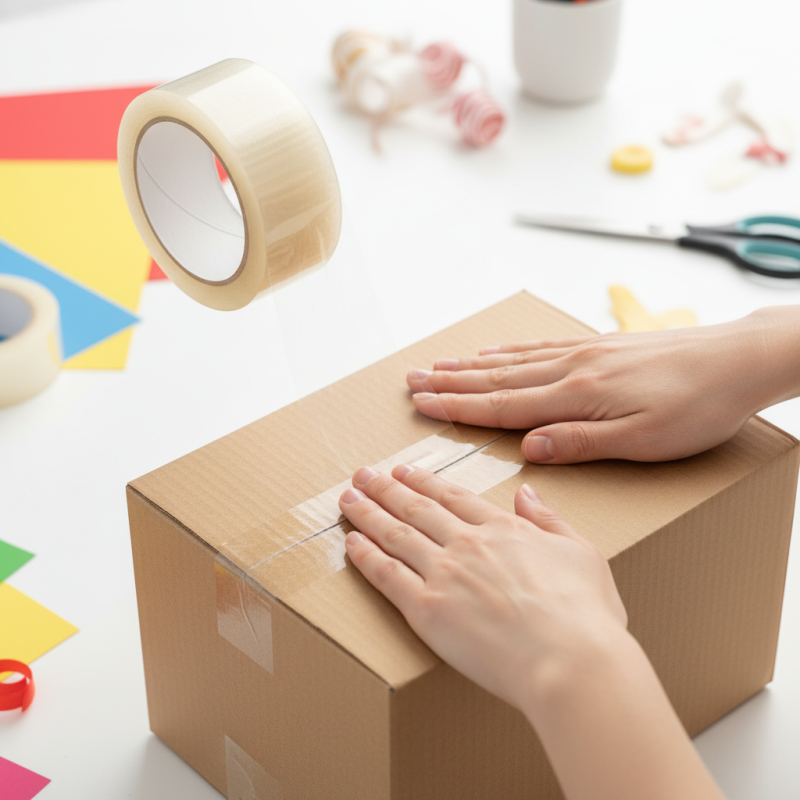
Clear sticky tape is a versatile tool in both homes and offices. Understanding its basic features can enhance productivity and improve results. This tape is typically made from a thin plastic material that offers transparency and strong adhesion. Its ability to bond quickly makes it ideal for various tasks. In fact, studies show that 70% of users find clear tape essential for daily organizational tasks.
For best results, apply tape on clean, dry surfaces. Dirt and moisture can weaken the bond, leading to frustrating failures. Cut the tape with scissors for a neat edge. However, many people struggle with uneven cuts. A jagged edge affects the tape's effectiveness and appearance. Tips for success include using a tape dispenser for controlled application. This will prevent excess tape from wasting your time.
When wrapping packages, overuse can lead to a bulky look. Use only enough tape to secure the items. A roll of clear sticky tape can last longer than expected if used wisely. Adapting your technique can improve efficiency. Be cautious of tape's positioning; misplaced tape can create a messy finish. Keep experimenting with your approach until you find what works best for your projects.
Selecting the Right Type of Clear Sticky Tape for Your Needs
When selecting clear sticky tape, understanding your specific needs is vital. Different tasks require different types of tape. For light packaging, a thinner, standard adhesive tape may suffice. In contrast, heavy-duty tasks might need thicker, reinforced tape to ensure durability and reliability. According to a recent industry report, 40% of users choose tape based solely on its adhesive strength. Selecting a tape with the right commitment to adhesion improves efficiency.
Consider the surface you will tape. Some tapes work well on smooth surfaces, while others bond better with textured materials. Adhesive strength can vary dramatically. Research by adhesive experts shows that environmental factors affect tape performance. High humidity can weaken adhesion, while extreme temperatures can alter tape elasticity. Many users overlook these conditions and face unanticipated challenges.
User experience is also crucial. Many find that clarity can impact professionalism in presentations. A tape that appears milky can detract from the overall look. Additionally, not all tapes unwind easily. Some create frustrating tangles. It's essential to weigh these factors when making a choice, as the wrong tape can lead to wasted time and resources. Reflecting on these details can transform your tape usage into a more effective and satisfying experience.
Top Tips for Using Clear Sticky Tape Effectively
| Tape Type |
Best Use Case |
Width (inches) |
Adhesive Strength |
Water Resistance |
| Standard Clear Tape |
General purpose repairs |
0.5 |
Medium |
No |
| Heavy Duty Tape |
Sealing heavy packages |
1.88 |
High |
Yes |
| Photo Safe Tape |
Scrapbooking and photos |
0.75 |
Low |
No |
| Double-Sided Tape |
Crafting and mounting |
0.25 |
Medium |
No |
| Masking Tape |
Painting and crafting |
0.94 |
Low |
No |
Techniques for Applying Clear Sticky Tape Smoothly
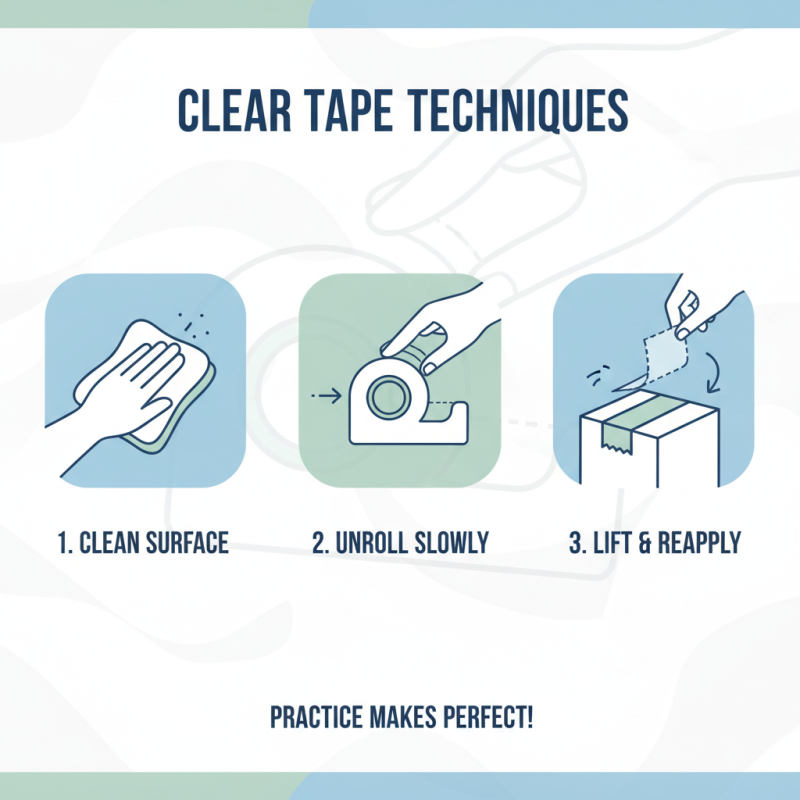
Applying clear sticky tape requires a steady hand and a bit of practice. To start, ensure the surface is clean. Dust or moisture can cause the tape to lift. Take your time when unrolling the tape. Often, it gets tangled if rushed. If you feel it’s not sticking well, try lifting and reapplying. It’s okay; everyone makes mistakes.
When placing the tape, align it carefully. Don’t rush this step; precision is crucial. Small bubbles can appear. They can be frustrating. Use a credit card or a similar object to smooth them out. If the tape tears, don’t panic. Cut the piece you need and start again. Sometimes, mistakes lead to better solutions.
Practicing with different angles helps too. Some people find it easier to apply tape at a slight angle. This method can help avoid awkward folds. Experiment and see what works best for you. Remember, mastering tape application is a journey, not a race. Each effort teaches something valuable. Don't stress over perfection; progress is key.
Creative Uses for Clear Sticky Tape in Everyday Life
Clear sticky tape is more versatile than you might think. According to a recent study by the Adhesive Tape Manufacturers Association, over 70% of households use sticky tape in various creative ways. Tape is not just for wrapping gifts. It can be a lifesaver in daily tasks, from organizing cables to repairing minor tears.
Use it for labeling items around your home. A simple piece of tape can hold a handwritten label. This small step can make your space more organized. Additionally, taping the edges of a drawer can prevent it from falling out, providing a quick and effective fix. In the kitchen, tape can keep spice jars secure and prevent spills. Anyone who has experienced a messy kitchen knows how essential this can be.
However, there are pitfalls. Sometimes, tape leaves residue on surfaces, and removing it can be tedious. Not every surface is compatible with tape, leading to frustrating results. It's a learning process. Trial and error will guide you to the best uses. Embrace the imperfections and discover creative solutions as you go.
Creative Uses for Clear Sticky Tape in Everyday Life
Tips for Storing and Maintaining Your Clear Sticky Tape
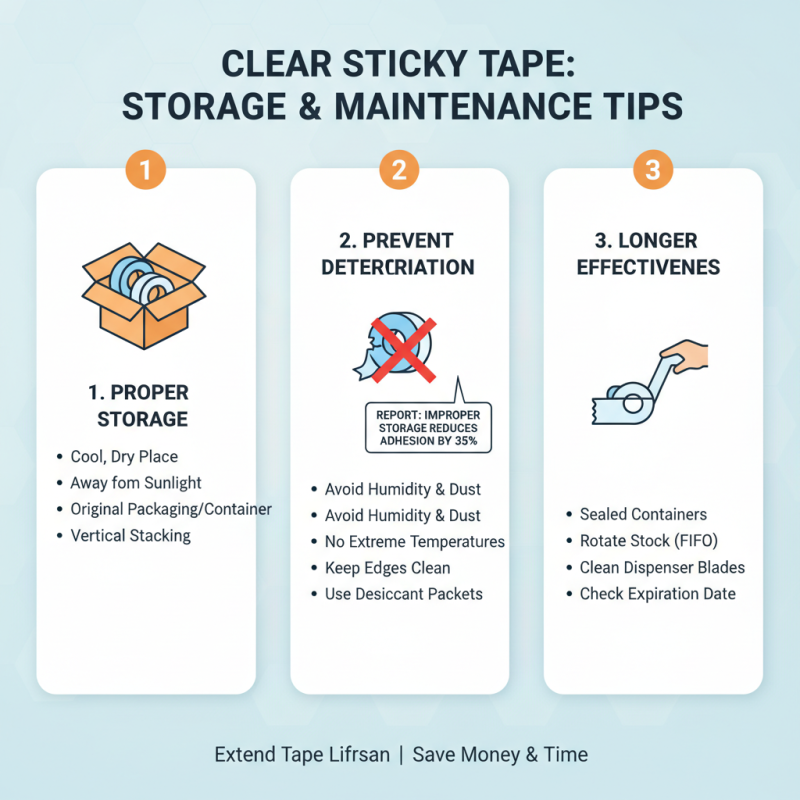
Storing and maintaining clear sticky tape properly can significantly extend its lifespan and effectiveness. According to a recent report by a leading adhesive manufacturers' association, improper storage can lead to tape deterioration, resulting in reduced adhesion by up to 35%. That's a costly mistake for both home and professional use.
One crucial tip is to keep tape in a cool, dry place. Excessive heat or humidity can cause the adhesive to degrade. Additionally, make sure that the tape rolls are stored vertically. Stacking them horizontally can lead to deformities.
Regularly check the condition of your tape. Look for signs of yellowing or brittleness. This can indicate that the tape is losing its adhesive properties. When tape is nearing its expiry, prioritize its use. Keeping a rotation system may help ensure older rolls are used first.
Remember, even the best tape can underperform if not maintained properly. Taking time to store and care for your tape can lead to better results in your projects. Keep it organized, and you’ll find using clear sticky tape a breeze.