10 Essential Electrical Tape Tips You Need to Know
When it comes to tackling electrical projects, mastering the use of electrical tape is crucial. According to John Smith, a leading expert in the electrical industry, “Electrical tape is not just about insulation; it's about safety.” This statement underscores the importance of using electrical tape correctly and effectively.
Understanding how to choose and apply electrical tape can significantly impact the success of your projects. For example, using the right type of tape for different applications is essential. Not all electrical tapes are the same, and choosing poorly can lead to serious mishaps. Moreover, knowing the common mistakes in using electrical tape can save you from future regrets and complications.
Whether you are repairing cords or insulating wires, these tips will enhance your skill set. Remember, not all situations are straightforward. Sometimes, challenges emerge that demand critical thinking and creativity. Embrace the intricacies of working with electrical tape, as they will help you develop a better understanding and ensure safer results.

Understanding Different Types of Electrical Tape for Various Applications
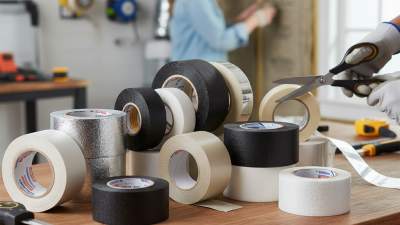
When it comes to electrical tape, understanding the various types is crucial for ensuring safety and effectiveness. For instance, PVC tape is a popular choice in many industrial applications. Its insulation capabilities make it suitable for electrical connections. According to industry reports, PVC tape holds about 600 volts, making it a reliable option for general usage.
Conversely, cloth tape is often used for bundling wires. It's durable and can withstand wear and tear. However, its insulation properties are not as strong as PVC. Choosing the right type matters, as improper tape can lead to electrical failures.
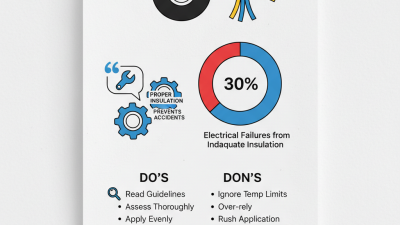
A study by the Electrical Safety Foundation International highlights that up to 30% of electrical issues arise from poor insulation materials. Using subpar tape could lead to costly repairs or even safety hazards.
Reflect on your choices carefully. Inappropriate tape selection can cause problems. As you work with different materials, consider factors like temperature tolerance and UV resistance for outdoor applications. Not all tapes are created equal. Understanding your specific needs helps in avoiding future mistakes.
Essential Safety Tips When Using Electrical Tape for Home Projects
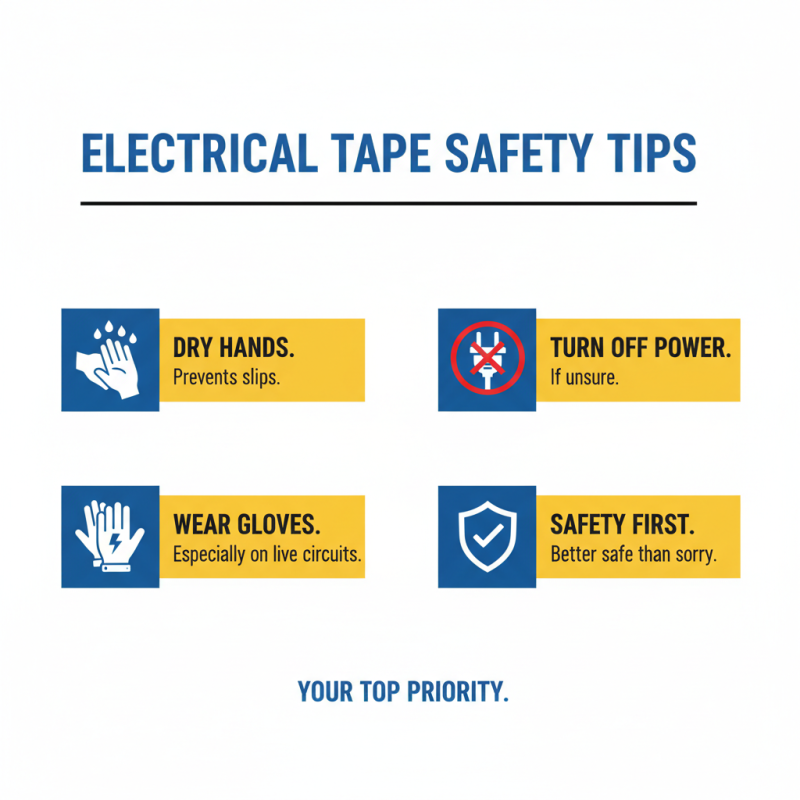
When working with electrical tape, safety should always be your top priority. Ensure your hands are dry before handling any tape. This simple step can prevent slips and accidents. Always wear protective gloves, especially if you're working on live circuits. If unsure, never hesitate to turn off the power. It's better to be safe than sorry.
Inspect the tape before use. Look for tears or damage. A small flaw can lead to larger issues during a project. Make sure the tape adheres well to surfaces. Smooth it out as you apply to avoid air bubbles. An even application ensures better insulation.
Remember to avoid over-relying on electrical tape. It's not a permanent fix for broken wires. If you notice wear, consider replacing items rather than patching them. Taping over exposed wiring is a temporary measure. Always keep fire safety in mind. Electrical tape cannot guarantee complete safety, especially in wet conditions. Use it wisely.
How to Properly Prepare Surfaces Before Applying Electrical Tape
Preparing surfaces before applying electrical tape is crucial for a successful seal. Start by identifying the surface type. Is it metal, plastic, or rubber? Each type requires a different preparation method. Clean the area thoroughly to remove dirt, grease, or dust. Use rubbing alcohol or a suitable cleaner. Make sure it’s completely dry before proceeding. This step is often overlooked but can lead to adhesion issues.
Once the surface is clean, inspect it for defects. Look for rough edges, cracks, or any irregularities. These imperfections can affect the tape's effectiveness. You may need to sand rough spots to achieve a smoother finish. Using a file or sandpaper can help create a better surface for adhesion. Don’t rush through this; patience is key. Imperfect preparation can result in peeling or insufficient insulation later on.
Remember, preparation isn’t just about cleaning. Ensuring a proper fit is essential too. If you’re wrapping around an object, ensure there aren’t any sharp angles. Sharp edges can cut through the tape over time. Take your time to assess the best way to apply the tape. Planning the application path might seem trivial but can save headaches in the long run. The right preparation builds a solid foundation for your project.
Techniques for Cutting and Applying Electrical Tape Efficiently
When it comes to cutting and applying electrical tape, efficiency is key. Using sharp scissors helps create clean, precise cuts. Dull scissors can cause fraying, making your work look unprofessional. Keep your scissors clean and stored properly. This simple step ensures they are ready when you need them.
Applying electrical tape can be tricky. Begin by anchoring one end firmly. Wrap the tape around the wire incrementally. Make sure to overlap it by about half the width with each turn. This creates a secure seal. If you rush, the tape may peel off later. Take your time to ensure a neat finish.
Mind the tension while wrapping. Too much pressure can stretch the tape and weaken its adhesive bond. Conversely, if you wrap too loosely, the wire may remain exposed. Finding that perfect balance requires practice and patience. Don't hesitate to redo the application if it doesn’t look right. Reflection on your technique will lead to improvement. Each project offers a chance to refine your skills.
10 Essential Electrical Tape Tips You Need to Know
This chart illustrates the effectiveness of various techniques for cutting and applying electrical tape efficiently. Each bar represents the percentage of users who found the technique helpful.
Guidelines for Storing Electrical Tape to Maintain Its Quality and Adhesion
Storing electrical tape properly is crucial for maintaining its quality. High temperatures can cause the adhesive to break down. In fact, studies show that exposure to heat above 100°F can lead to a 30% reduction in adhesion. On the other hand, extreme cold can make the tape brittle. Therefore, a temperature-controlled environment is ideal.
Humidity also plays a significant role in the tape's lifespan. Prolonged exposure to moisture can cause the backing material to degrade. According to research, tape stored in a humid environment has a decreased effective lifespan by up to 25%. It's wise to use airtight containers to protect tape from excessive moisture.
Lastly, avoid direct sunlight. UV rays can break down the tape's chemical composition. This exposure can lead to fading and loss of stickiness. Some reports indicate that just a few weeks of such exposure can render the tape nearly useless. Regularly check your supply, and replace old stock to ensure optimal performance.
10 Essential Electrical Tape Tips You Need to Know
| Tip |
Description |
| Store in a Cool, Dry Place |
Keeping electrical tape in a cool and dry environment prevents moisture absorption, which can degrade its adhesive properties. |
| Avoid Direct Sunlight |
UV rays can break down the adhesive and material of the tape, reducing its lifespan and effectiveness. |
| Check Expiration Dates |
Always check the expiration dates on your electrical tape rolls to ensure optimal performance. |
| Keep Roll Tight |
Ensure the tape is wound tightly on the roll to prevent unwinding and potential contamination of the adhesive surface. |
| Avoid Overlapping |
When applying tape, avoid overlapping it excessively as this can reduce its insulating properties. |
| Use Proper Application Techniques |
Stretch the tape slightly as you apply it to create a secure bond and enhance insulation. |
| Clean the Surface |
Clean surfaces before applying tape, as dirt or grease can prevent the adhesive from sticking properly. |
| Store Away from Heat Sources |
Keep tape away from heaters and direct heat sources to avoid compromising the adhesion and flexibility of the tape. |
| Label Storage Container |
If storing multiple types of tape, label containers clearly to avoid confusion and ensure correct usage. |
| Test Before Use |
Before using, do a quick adhesion test on a small area to verify the efficacy of the tape. |