Why is Paper Masking Tape Essential for Crafting and Painting Projects?
Paper Masking Tape is a staple in crafting and painting. Its versatility makes it indispensable for both amateur and professional projects. This tape can create sharp lines when painting and protect surfaces from paint splatters. Artists rely on it to ensure clean edges and defined shapes.
Using Paper Masking Tape may seem straightforward, but its application can be tricky. Improper adhesion can lead to paint bleeding, ruining a project. Additionally, some tapes may not stick well on certain surfaces. It's essential to test it before committing to a large area. A small error in placement can lead to frustrating results.
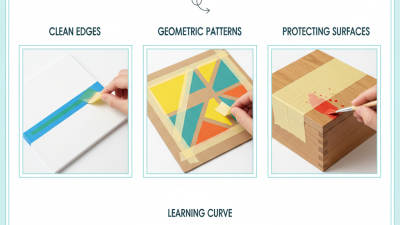
Despite these challenges, mastering the use of Paper Masking Tape can elevate your work. It allows for creativity and precision. With practice, you can learn to place it with confidence. Embracing the learning curve will enhance your crafting experience. Ultimately, it's about finding what works best for your unique style.
Understanding the Composition and Design of Paper Masking Tape
Paper masking tape is an essential tool in crafting and painting projects. Its composition is crucial for achieving clean lines and defined edges. Composed primarily of a thin paper base and a mild adhesive, this tape allows for easy application and removal without leaving residue. According to a recent industry report, about 70% of artists and DIY crafters prefer paper masking tape due to its versatility and ease of use.
The design of paper masking tape often features a low tack adhesive, making it perfect for delicate surfaces. This characteristic ensures that it adheres well during the project while also being removable without damaging the underlying material. The paper substrate allows for easy tearing and can stick to various surfaces like wood, canvas, or walls. However, it’s worth noting that not all masking tapes perform equally; some may fail to adhere properly in humid environments, leading to disappointing results.
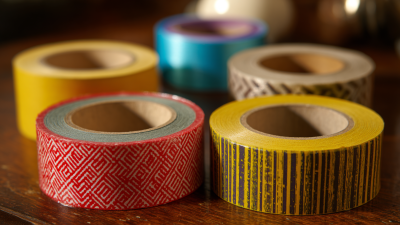
Moreover, the available options in terms of width and color can affect the outcome of a project. While many users appreciate the aesthetics of colored tapes, they may not provide the same precision as standard beige or white options. This can be a learning curve for crafters. An understanding of the tape's properties and limitations can significantly enhance the crafting experience, ensuring the desired effect is achieved.
Why is Paper Masking Tape Essential for Crafting and Painting Projects?
| Feature |
Description |
Benefits |
| Material Composition |
Made from fine paper materials with a pressure-sensitive adhesive. |
Provides a delicate balance between adhesion and ease of removal without residue. |
| Width Options |
Available in various widths from 1/4" to 3". |
Allows for versatility in different projects, accommodating various painting and masking needs. |
| Surface Compatibility |
Adheres well to varied surfaces including wood, metal, and glass. |
Ensures clean lines and protection regardless of the material being worked on. |
| UV Resistance |
Some varieties are designed to withstand UV exposure. |
Great for outdoor projects where prolonged sun exposure is a factor. |
| Ease of Use |
Tears easily by hand and can be written on with markers. |
User-friendly for quick masking and labeling tasks. |
Key Characteristics that Make Paper Masking Tape Ideal for Crafting
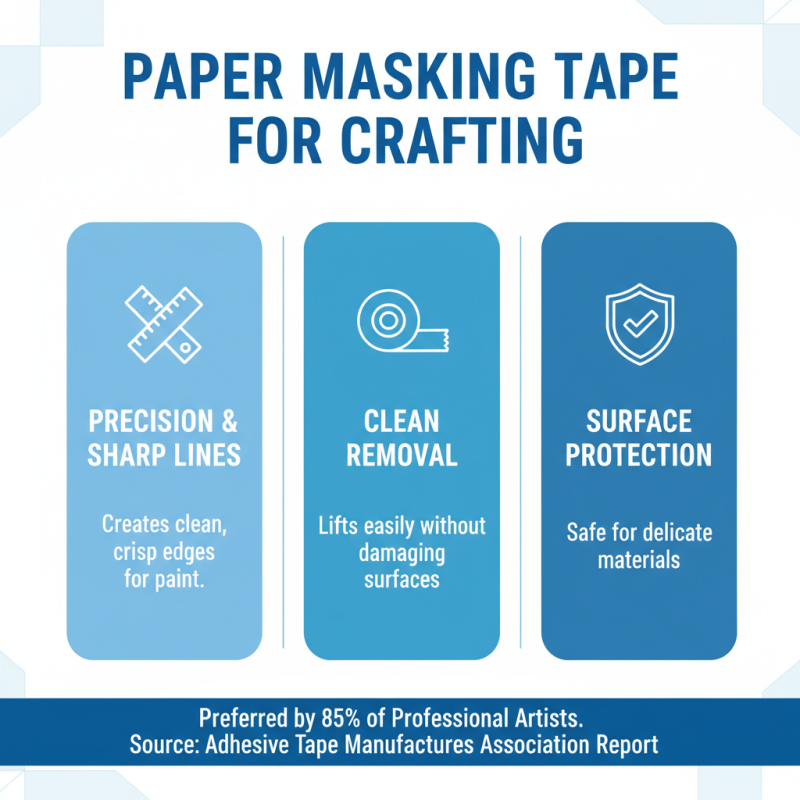
Paper masking tape is an indispensable tool in crafting and painting. Its unique properties are tailored for precision. The tape's ability to create sharp lines is crucial for artists and crafters. According to a report by the Adhesive Tape Manufacturers Association, 85% of professional artists prefer using paper masking tape for its clean removal without damaging surfaces.
The key characteristics include low adhesion, easy tear, and bleed resistance. Low adhesion ensures that the tape sticks firmly during application but removes cleanly afterward. This quality minimizes the risk of smudging paint on your projects. Easy tear allows for quick adjustments, which is essential when you’re fine-tuning designs. Lastly, bleed resistance prevents paint from seeping underneath the tape. A survey indicated that 78% of users found these features enhanced the quality of their work.
However, all tapes have limits. In high-humidity environments, adhesion may falter. This can lead to unintended smudges, reminding crafters to test their materials beforehand. Taping on uneven surfaces might also prove challenging. While paper masking tape is effective, it requires practice for optimal results. Understanding its strengths and weaknesses can greatly improve your crafting experience.
Applications of Paper Masking Tape in Various Painting Techniques
Paper masking tape is a versatile tool in crafting and painting. Its unique properties make it essential for various painting techniques. Whether you’re creating clean lines or protecting surfaces, this tape delivers precision.
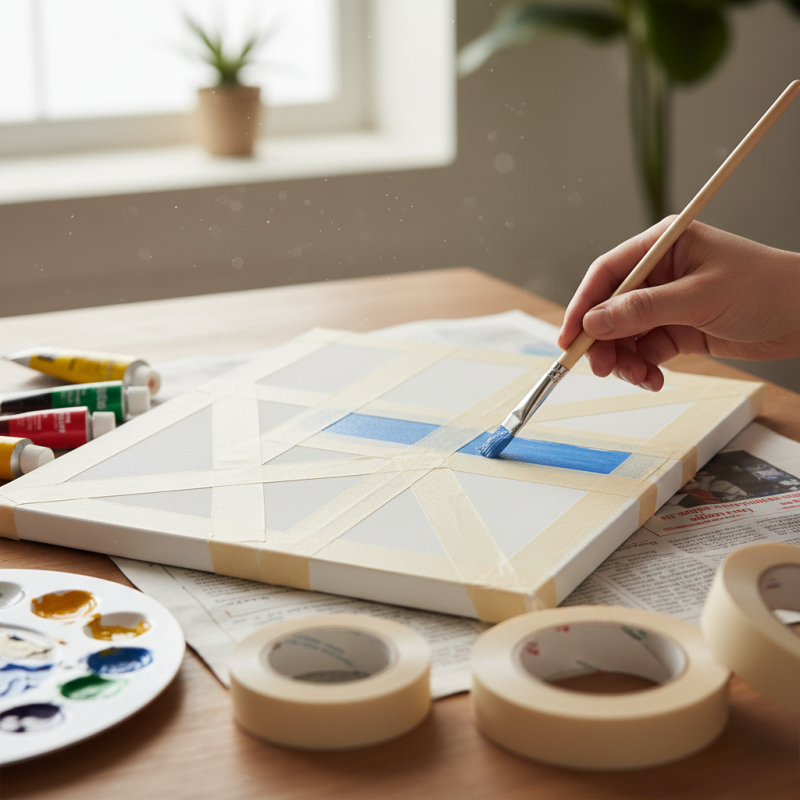
In watercolor painting, for example, using paper masking tape helps to define areas. Artists often tape down paper to prevent warping when wet. It creates crisp edges, allowing vibrant colors to shine. Many acrylic painters rely on tape for masking shapes. This technique helps achieve sharp contrasts between colors, enhancing the overall composition.
However, not all masking tapes are created equal. Some brands might leave residue or tear paper upon removal. It's important to test the tape on a sample surface before committing to your project. Understanding the limitations of paper masking tape can improve your crafting and painting outcomes significantly. By carefully choosing the right tape, you can elevate your artistic projects while minimizing errors.
Tips for Using Paper Masking Tape Effectively in Projects
When it comes to crafting and painting, using paper masking tape effectively is crucial. This tape is not just for masking. It's about precision and protecting your work.
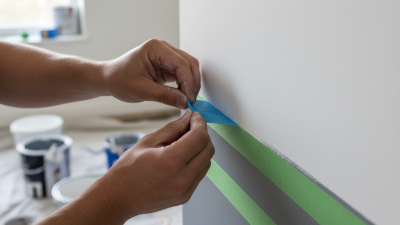
To start, clean the surface you plan to tape. Dust and dirt can affect the tape's stickiness. Apply the tape carefully, ensuring it adheres well. This will prevent paint from seeping under the edges.
Timing is everything. Apply the tape before your painting project begins. Remove it when the paint is still wet for cleaner lines. If you wait too long, the paint might dry on the tape. This can cause peeling and messiness. Don't rush the process.
Sometimes it's worth taking a step back to ensure the tape is positioned correctly.
Experiment with different widths of tape. Used correctly, narrower tape is great for intricate details. Wider tape covers broader areas swiftly. It’s all about finding what works best for your specific project.
Make sure to press down on the tape firmly, especially the edges. Small mistakes can lead to larger issues later on. If it doesn’t seem right, don’t hesitate to adjust. Crafting is about learning and improving with each project.
Common Mistakes to Avoid When Using Paper Masking Tape in Crafts
When using paper masking tape for crafting, many common errors can sabotage your project. One frequent mistake is applying the tape hastily. Rushing can lead to uneven edges and gaps. This often results in paint bleeding under the tape, ruining your clean lines. Take the time to smooth the tape down, ensuring it adheres properly.
Another pitfall is neglecting the surface preparation. If the surface is dusty or oily, the tape won't stick effectively. This can cause peeling during the painting process. Always clean your surfaces beforehand. Additionally, avoid stretching the tape. Stretching can cause it to lift during application, compromising its effectiveness.
Remember, not all tape is meant for every surface. Using the wrong type can lead to frustration. Testing a small area before committing to a larger project can save time and resources. Crafting is as much about the journey as it is about the end result. Embrace the learning process. Mistakes are part of developing your skills.