10 Essential Tips for Choosing the Best Paper Masking Tape for Your Projects
When it comes to completing any DIY project or professional task, selecting the right materials can make all the difference. Paper masking tape is an essential tool used by both amateurs and experts alike to achieve clean lines and precise finishes. As renowned industry expert, Mark D. Thompson, once stated, “The quality of your masking tape can directly impact the outcome of your project; it’s not just a tool, but a game changer.” In this article, we will explore the important factors to consider when choosing the best paper masking tape for your specific needs.
With the wide variety of products available on the market today, understanding the unique properties of paper masking tape is crucial for achieving optimal results. From adhesion strength to thickness, each element plays a significant role in determining which tape will best suit your project. Whether you're painting, crafting, or engaging in intricate detail work, the right masking tape can enhance your efficiency and the quality of your final product.
Join us as we delve into the top ten essential tips for selecting the best paper masking tape for your projects in 2025. This guide will arm you with the knowledge needed to make informed decisions and elevate your craftsmanship to new heights.
Understanding Different Types of Paper Masking Tapes and Their Uses
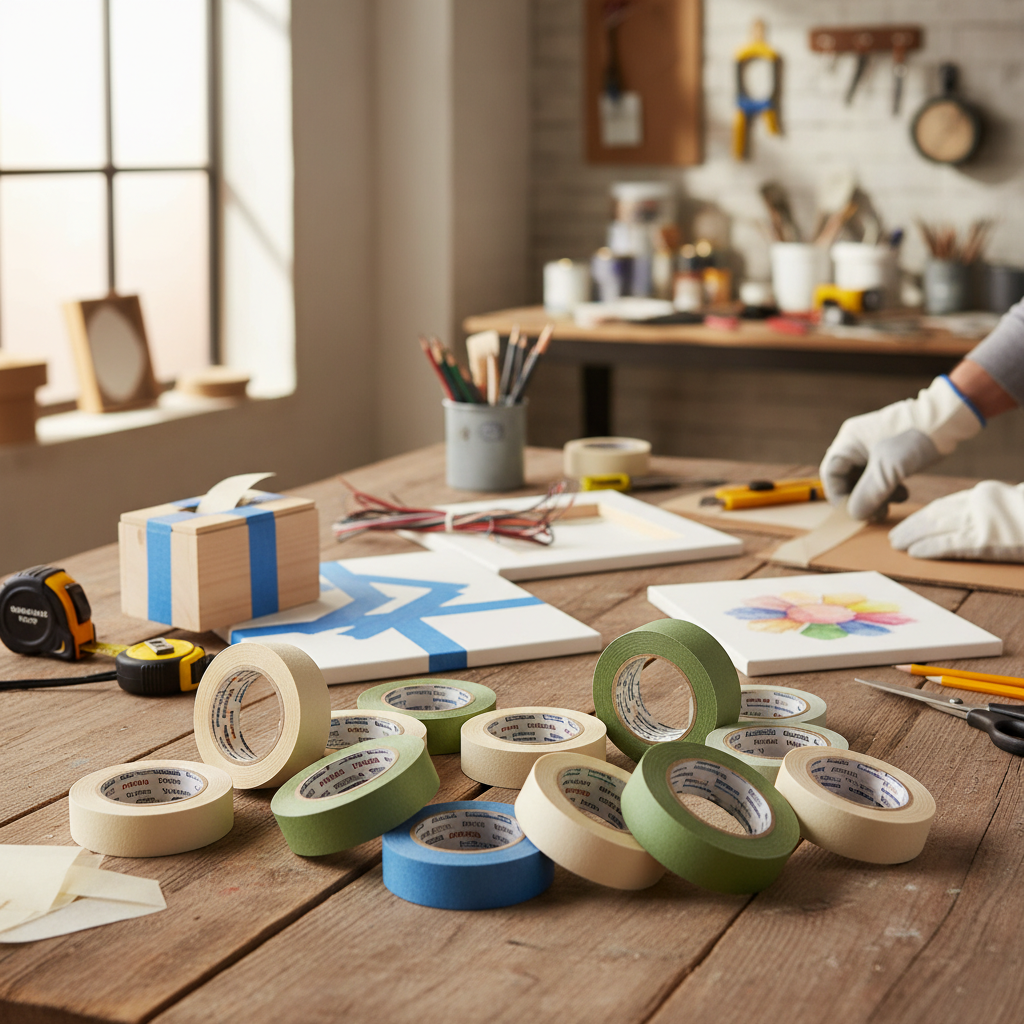
When it comes to selecting the right paper masking tape for your projects, understanding the various types available is key.
Paper masking tape is designed for a plethora of applications, from painting and crafting to general household repairs. Each type has its unique features tailored for specific tasks. For instance, low-tack tape is ideal for delicate surfaces, while standard masking tape is suitable for everyday use, providing a reliable bond without damaging surfaces upon removal.
One essential tip is to consider the width of the tape you need. Wider tapes cover more area and are great for broad strokes in painting, while narrower tapes allow for detailed work and precision. Another essential factor is the adhesive strength; if you require a tape that can withstand moisture or prolonged exposure, look for those labeled as water-resistant or durable. Lastly, always test a small section on your project surface to ensure compatibility, especially if you're working with delicate materials.
Evaluating Adhesive Strength for Optimal Project Needs
When selecting the best paper masking tape for your projects, evaluating adhesive strength is crucial for achieving optimal results. The adhesive should provide a firm grip on various surfaces, yet remain gentle enough to remove without damaging them. To ensure you choose the right tape, consider the intended application. For example, if you're working on surfaces like freshly painted walls or delicate finishes, a tape with lower adhesive strength might be more suitable to avoid peeling away the paint.

One essential tip is to conduct a simple test on a small, inconspicuous area before fully committing to a particular tape. This will help you gauge the adhesive strength and how well it adheres to the material without causing harm. Additionally, remember that paper masking tapes come in different grades. Higher-quality tapes tend to have better adhesion properties, making them more reliable for intricate projects where precision is key. By carefully evaluating adhesive strength, you can ensure that your masking tape meets your project needs effectively, providing clean lines and a flawless finish.
Considering Painters' Tape vs. General Purpose Masking Tape
When it comes to selecting the right masking tape for your projects, understanding the differences between
painters' tape and general-purpose masking tape is essential.
Painters' tape is specifically designed for use in painting tasks. It features a unique adhesive that allows for
clean lines, preventing paint bleed. This tape is usually easy to remove without leaving sticky residue, making it an ideal choice for projects that require precision, such as interior and exterior painting.
On the other hand, general-purpose masking tape is more versatile and can be used for a variety of applications, including arts and crafts,
packaging, and basic home repairs. It is typically more affordable, but it may not provide the same level of performance as painters' tape when it comes to
edge definition.
Depending on the project, choosing between these two options comes down to the specific requirements, such as the surface being taped and the desired outcome. For intricate painting needs, opt for
painters' tape, while for general tasks,
general-purpose masking tape may suffice.
Checking Compatibility with Surfaces: What You Need to Know
When selecting paper masking tape for your projects, one of the most crucial factors to consider is its compatibility with the surfaces you plan to use it on. Different materials, such as wood, metal, or drywall, interact with adhesives in varied ways. For instance, certain tapes may stick too aggressively to porous surfaces like untreated wood, leading to residue upon removal. On the other hand, using a tape that doesn’t adhere well to glossy surfaces can result in paint bleed or tape lift, ruining your project's finish.
Additionally, it’s important to assess the surface conditions before making a choice. Surfaces that are freshly painted or damaged may require a different type of masking tape than those that are clean and dry. Testing the tape on a small, inconspicuous area can save you from potential headaches later on. Always check the manufacturer's specifications for surface compatibility, as many brands provide recommendations for the best application based on surface type. By paying close attention to these details, you can ensure a smoother workflow and achieve superior results in your projects.
Surface Compatibility of Paper Masking Tapes
Assessing Temperature Resistance for Various Application Conditions
When selecting the best paper masking tape for your projects, one of the most critical factors to consider is temperature resistance. Different applications require varying levels of heat tolerance, which can significantly impact the performance of the tape. For instance, if you plan to use the tape in environments with high temperatures, such as during automotive spray painting or in industrial settings, look for masking tapes that can withstand heat up to 350°F or more. This ensures that the adhesive remains intact without tearing or leaving residue, even when exposed to elevated temperatures.
Conversely, for more delicate applications, such as craft projects or interior painting, a tape with moderate temperature resistance may suffice. In such cases, selecting a tape that operates effectively around 200°F can help during the application process while ensuring easy removal. Always check the manufacturer's specifications for temperature ratings to ensure that the tape can handle specific conditions, maintaining adhesion without damaging the underlying surfaces. A thorough understanding of your project's requirements will guide you in choosing the right masking tape, ultimately leading to better results.