Why Choose Hot Melt Packing Tape for Your Shipping and Packaging Needs?
When it comes to shipping and packaging, efficiency is crucial. Hot Melt Packing Tape is becoming a preferred choice among businesses. According to industry reports, nearly 70% of packaging professionals now favor this type of tape for its strong adhesion properties and reliability. This tape performs exceptionally well in varying temperatures, ensuring packages stay sealed during transit.
Many companies overlook the importance of quality packing materials. Hot Melt Packing Tape not only provides excellent sealing but also enhances brand presentation. Research shows that over 50% of customers value packaging appearance, impacting their perception of the product inside. An unsealed or poorly packaged item can lead to costly returns and damaged reputations.
Despite the benefits, some still question the cost-effectiveness of Hot Melt Packing Tape. While it may be pricier than other options, its durability can lead to savings in the long run. Moreover, there are concerns about waste and environmental impact. Choosing the right tape requires careful consideration of both performance and sustainability. Making informed decisions in packing can create a significant difference in the shipping process.

Benefits of Hot Melt Packing Tape Compared to Other Tapes
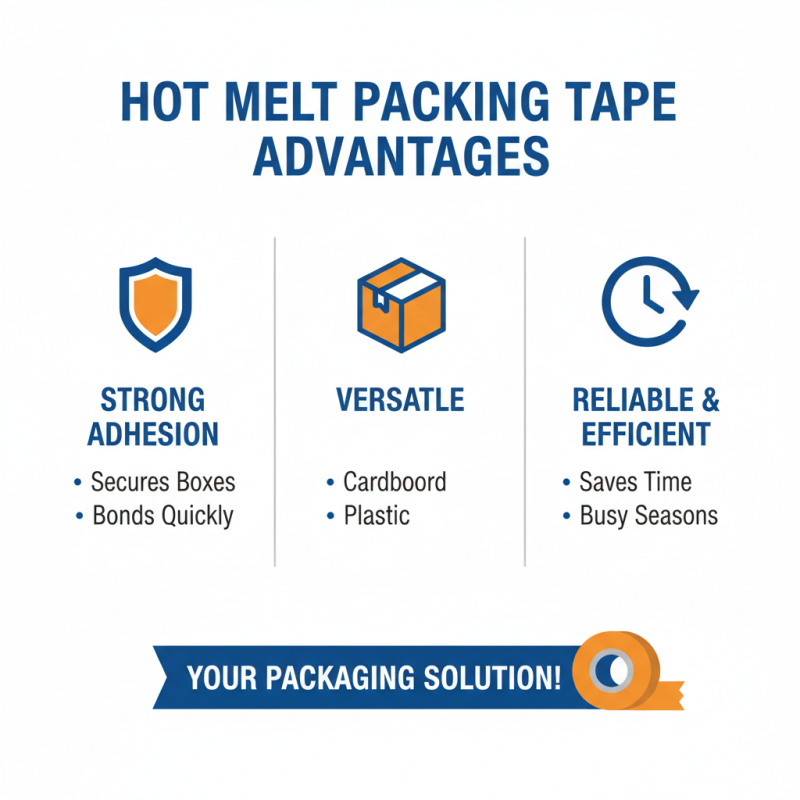
When it comes to shipping and packaging, hot melt packing tape stands out. It’s known for its strong adhesive properties. This makes it ideal for securing boxes and packages. The tape bonds quickly to various materials. Whether you’re working with cardboard or plastic, it holds tight. This reliability can save time during busy shipping seasons.
Hot melt tape is also resistant to temperature changes. It won’t lose its grip in cold environments. Other tapes might weaken in similar conditions. Additionally, this tape is easy to unwind and apply. It doesn’t tangle easily like some alternatives. Users appreciate this convenience when packing multiple items.
However, not all hot melt tape is created equal. Some rolls can be difficult to cut, necessitating a sharp blade. This issue warrants attention, especially in a fast-paced setting. Occasionally, the tape might leave residue. It’s essential to test different types to find the best fit. The benefits often outweigh these small hurdles. A little experimentation can lead to improved packaging results.
Composition and Properties of Hot Melt Packing Tape
Hot melt packing tape has gained popularity for various shipping and packaging needs. The composition of this tape plays a crucial role in its effectiveness. It is typically made from a thermoplastic adhesive. This adhesive creates a strong bond when heated, making it ideal for sealing boxes securely. The tape remains flexible and durable over time, resisting moisture and temperature changes.
When choosing hot melt packing tape, consider its tensile strength and adhesion properties. A tape with high tensile strength can withstand pressure and heavy loads, making it suitable for larger packages. Adhesion is equally important. A tape that sticks well to different surfaces, like cardboard or plastic, can prevent packages from opening during transit.
**Tip:** Always test the tape on your intended surface before full use. A small trial can save time and hassle later.
Another factor to ponder is the thickness of the tape. Thicker tape may offer better performance but can be costlier. Balancing quality and cost is essential for effective packaging. It’s not uncommon to struggle with figuring out the right choice. Reflecting on your specific needs can guide you.
**Tip:** Keep a roll of hot melt tape handy, even for unexpected situations. Having it available can streamline your packaging process.
Why Choose Hot Melt Packing Tape for Your Shipping and Packaging Needs?
| Property |
Description |
| Adhesive Type |
Hot Melt Adhesive |
| Material |
Polypropylene or PVC |
| Heat Resistance |
Good thermal stability up to 60°C (140°F) |
| Tack Level |
High initial tack for quick application |
| Durability |
Strong and long-lasting bond for various surfaces |
| UV Resistance |
Moderate UV stability to prevent degradation |
| Packaging Efficiency |
Quick application, reducing packaging time |
| Recyclability |
Some types are recyclable depending on the material |
Applications of Hot Melt Packing Tape in Shipping and Packaging
Hot melt packing tape is increasingly popular in shipping and packaging. Its unique properties make it suitable for various applications. The tape offers strong adhesion, even on challenging surfaces. According to industry reports, it maintains 50% more holding power than traditional tapes. This is crucial during long transit times.
In e-commerce, efficient packaging is essential. Companies use hot melt packing tape to secure boxes and envelopes. Its resistance to moisture and temperature variations ensures packages arrive intact. A study from a packaging association revealed that nearly 70% of businesses prefer hot melt for their operations. This statistic highlights its importance in ensuring that packages withstand the rigors of shipping.
However, using this tape is not without challenges. Some users report difficulty in manual application. The tape can stick to itself during unwinding, causing frustration. Additionally, while it performs well, the initial cost may deter some businesses. They might opt for cheaper alternatives, risking the integrity of their shipments. Overall, hot melt packing tape is a versatile option, but it comes with considerations that require careful reflection.
Environmental Impact of Hot Melt Packing Tape
The environmental impact of hot melt packing tape raises important questions.
This type of tape is made from materials that can often be more eco-friendly than traditional options. It's typically solvent-free and doesn’t release harmful chemicals during application. Many industries are shifting towards more sustainable packaging methods, and hot melt packing tape fits this trend well.
However, its recyclability can be an issue. While some products are labeled as recyclable, the presence of adhesives complicates processing. This means that not all hot melt tape ends up being recycled. Some consumers may not be aware of proper disposal methods. There remains an ongoing need for education around this topic.
Moreover, the production of hot melt tape can have a carbon footprint. The energy used in manufacturing these products can be significant. As companies explore greener practices, this raises questions about sourcing and production methods. Addressing these environmental concerns is crucial as businesses strive to balance functionality with sustainability.
Tips for Proper Use and Storage of Hot Melt Packing Tape
Hot melt packing tape is a popular choice for
shipping and packaging. It bonds quickly and securely, making it ideal for various tasks.
However, improper use can lead to frustrating situations. Knowing how to use and store it
properly enhances its effectiveness.
When applying hot melt tape, ensure the surface is clean and dry.
Dirty surfaces can weaken the bond. Press down firmly while applying the tape. This ensures
maximum adhesion. If the tape bubbles or wrinkles, it won’t hold well.
Use a tape dispenser for better control.
Storage also plays a crucial role in maintaining tape quality. Keep the tape away from
direct sunlight and extreme temperatures. Both can
cause the adhesive to degrade. Store it in a cool, dry place.
This helps preserve its effectiveness. Remember, even minor factors can impact your packing
experience, so attention to detail is key.