2026 How to Use Electrical Tape Effectively in Your Projects?
Electrical tape is an essential tool in various projects, ranging from DIY crafts to professional electrical work. According to the International Association of Electrical Inspectors, the global electrical tape market is projected to reach $1.4 billion by 2026. This increase is driven by its versatility and reliability in insulation and protection.
“Electrical tape is one of those underrated supplies that can make or break a project,” says John Smith, an expert in electrical safety. His insight highlights the importance of using electrical tape correctly. While it seems simple, there are nuances in application. The material varies, affecting durability and adhesion, which can lead to common mistakes.
Many users overlook the specific conditions for use. For instance, high temperatures can degrade tape effectiveness. Understanding the tape’s specifications ensures better results and safety. Investing time in learning about electrical tape's properties pays off in long-lasting, effective applications.
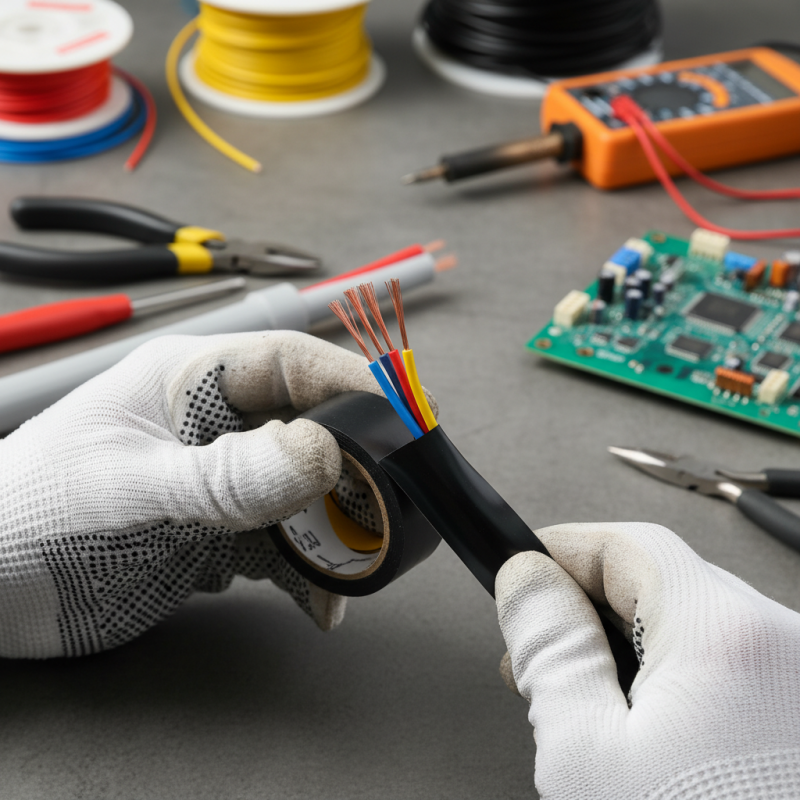
Understanding Electrical Tape: Types and Materials
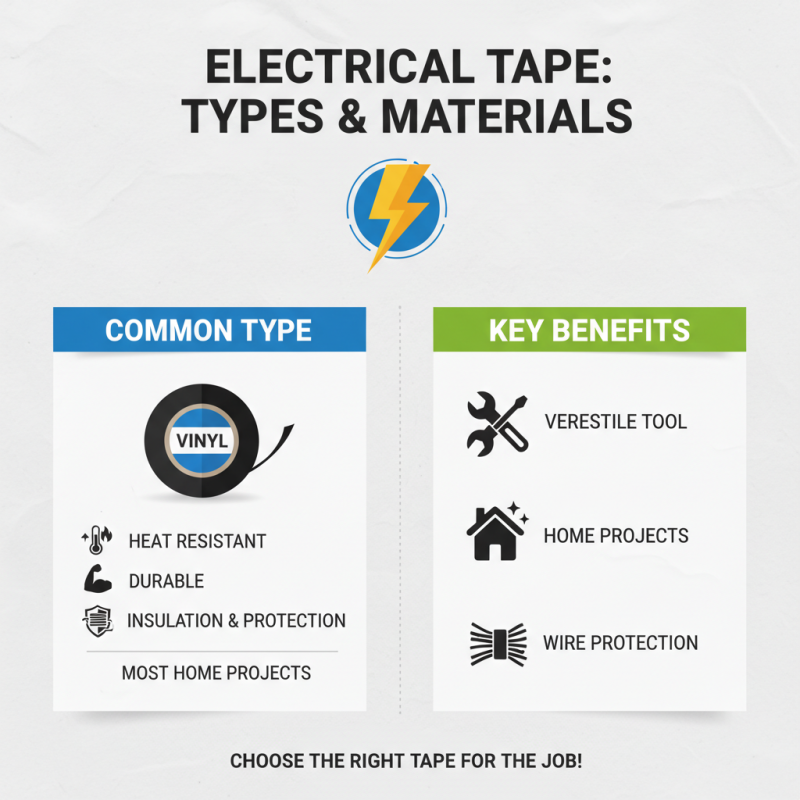
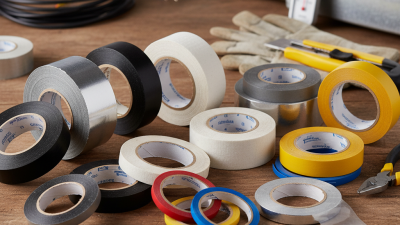
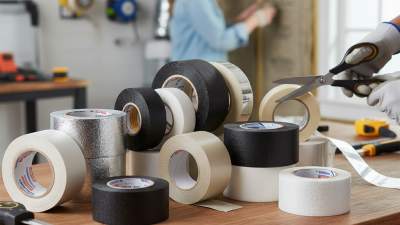
Electrical tape is a versatile tool in various projects. There are several types and materials to consider before use. Vinyl electrical tape is the most common. It is well-known for its insulation properties and durability. This type, suitable for most home projects, can withstand heat and is great for protecting wires.
Another type is rubber electrical tape. It is thicker and provides strong electrical insulation. This tape is especially useful in high-voltage applications. However, it may not be as easy to work with as vinyl. Knowing when to use each type is crucial for effective results.
Not all electrical tapes are created equal. Some may not stick well under extreme conditions. Users should test the tape in a small area first. Some projects might require a double layer for added protection. Experience shows that understanding the materials can prevent future issues. Always consider the environment where the tape will be used.
Essential Safety Precautions When Using Electrical Tape
When working with electrical tape, safety should always be a top priority. According to the National Fire Protection Association (NFPA), improper use of electrical insulating materials causes thousands of fires annually. The most common issue stems from insufficient insulation, leading to shorts or electrical arcing. Always inspect the tape for damage before use. A simple tear or roll can impede its effectiveness, putting you at risk.
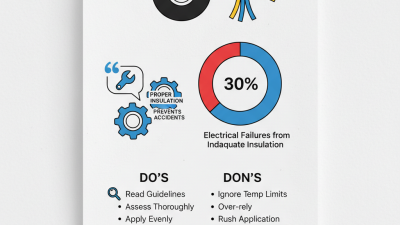
Data from the International Electrotechnical Commission (IEC) highlights that nearly 30% of electrical failures result from poor insulation practices. One crucial precaution is to ensure that the surface is clean and dry before applying electrical tape. Moisture can compromise adhesion, causing the tape to fail during operation. Additionally, it’s essential to choose the right type of tape for your project, as different environments and voltages require specific materials.
After finishing your task, check for any loose ends of tape. These can easily unravel and lead to exposure of wires. Stay informed about safety standards and guidelines put forth by organizations like IEEE. Mistakes can happen, but acknowledging them and understanding the importance of proper technique can enhance safety in your projects.
Techniques for Proper Application of Electrical Tape
When using electrical tape, proper application techniques are crucial for ensuring safety and effectiveness. Start by cleaning the surface where the tape will be applied. Dust, oil, or moisture can reduce adhesion. Dry the area too. It's helpful to cut the tape in lengths suitable for your project. If the tape is too long, it may not stick properly.
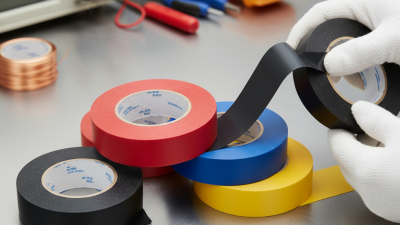
When wrapping the tape around wires, overlap each turn by about half the width of the tape. This creates a secure barrier. Keep tension while wrapping—too loose and the tape may peel off; too tight and it may break. Pay attention to sharp edges as well. They can easily puncture or tear the tape. Using a softer surface helps avoid this damage.
After applying, check for any gaps. If you notice any, reapply additional tape. It’s important not to rush this step. Rushed work might leave vulnerabilities. Reflect on your technique. Ensure you haven’t missed crucial areas. Proper technique requires practice. Mistakes are part of the learning process, and acknowledging them leads to better results.
Usage Techniques of Electrical Tape in Various Applications
Creative Uses of Electrical Tape in DIY Projects
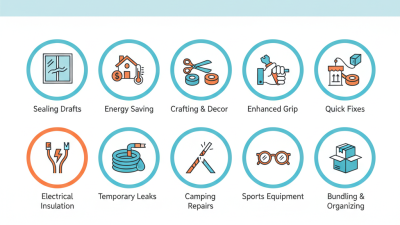
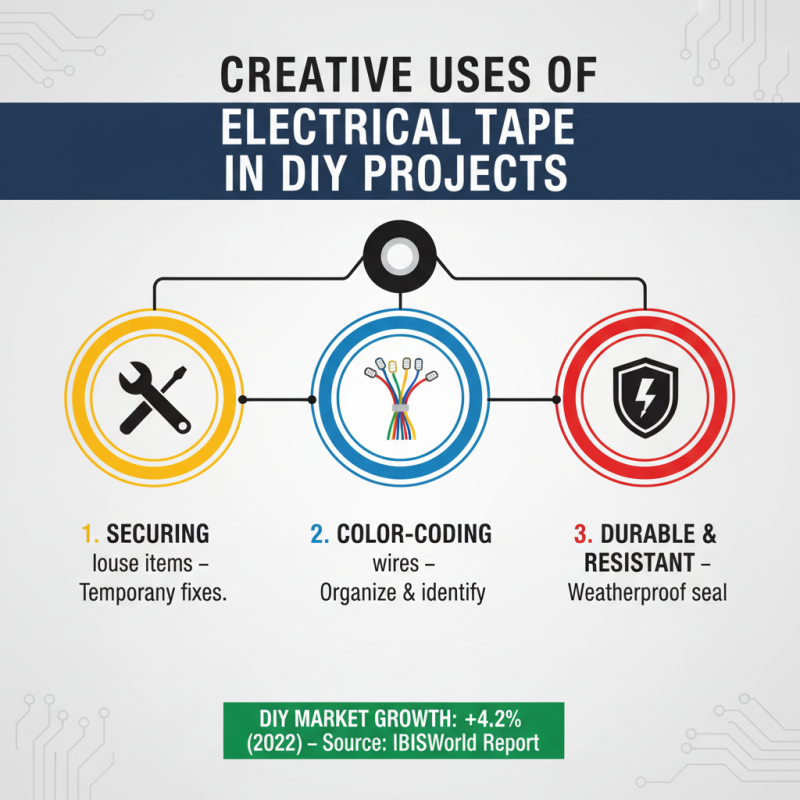
Electrical tape is a versatile tool, ideal for a range of DIY projects. It is not just for electrical insulation. Many builders and DIY enthusiasts report using electrical tape to secure loose items and color-code wires effectively. Professional electricians recommend electrical tape for its durability and resistance to environmental factors. According to a market research report from IBISWorld, the DIY market, including electrical tape, saw a growth of 4.2% in 2022, highlighting its relevance in home projects.
Creative uses extend beyond basic applications. People often use electrical tape for crafting and home décor. For example, it can create colorful designs on various surfaces. The tape is easy to manipulate and comes in different colors. Certain DIYers use it to repair book spines and organize cables in striking colors. While electrical tape is convenient, it can fail under extreme heat or extended exposure to sunlight. Users should be cautious and consider these limitations.
Experiences vary when using electrical tape. Some find it wonderful for quick fixes, while others face challenges. Its adhesive properties can weaken over time. Users may find that it doesn’t stick as well in humid conditions. Reflecting on these nuances can improve future applications. The key is understanding how to maximize its potential while recognizing its limitations.
Tips for Maintaining Tape Integrity Over Time
Electrical tape is a versatile tool in many projects, but to maintain its integrity over time, specific guidelines should be followed. Proper storage is crucial. Keeping electrical tape in a cool, dry environment helps prevent it from losing its adhesive properties. According to a report by the Adhesive and Sealant Council, improper storage can reduce tape effectiveness by up to 30%.
It's equally vital to apply electrical tape correctly. Ensure the surface is clean and dry. This helps with adhesion and longevity. When wrapping, overlap each layer by approximately half. This can improve sealing and insulation. Reports suggest that improper application contributes significantly to tape failure, with estimates indicating that about 25% of tape-related issues stem from application errors.
Regular inspections can extend the life of your electrical tape applications. Checking for peeling or damage every few months allows for early intervention. Even high-quality tapes can degrade due to environmental factors like heat and moisture. Remember, even the best materials require attention. Failing to acknowledge potential wear can lead to safety risks, particularly in electrical projects.
2026 How to Use Electrical Tape Effectively in Your Projects? - Tips for Maintaining Tape Integrity Over Time
| Project Type |
Recommended Tape Thickness (mil) |
Best Uses |
Maintenance Tips |
| Electronics Repair |
7 |
Insulating wires and connections |
Store in a cool, dry place; avoid exposure to direct sunlight. |
| Automotive |
10 |
Wrapping wiring harnesses and repairs |
Use clean surfaces; check for proper adhesion seasonally. |
| Crafts |
5 |
Decorative purposes and securing objects |
Keep away from moisture; replace if peeling occurs. |
| Home Repairs |
8 |
Electrical insulation and temporary fixes |
Inspect regularly for wear; remove and reapply as needed. |