2026 How to Use Small Tape Effectively for Home and Office Projects?
In today's fast-paced world, the importance of effective solutions for everyday projects cannot be overstated. Small Tape has emerged as a versatile tool that can streamline tasks around the home and office. John Miller, a recognized expert in the adhesive industry, once stated, "Small Tape is not just a tool; it's a game changer in everyday convenience." His insight emphasizes how this simple item can transform mundane tasks.
When used correctly, Small Tape can assist in a range of projects, from organizing cables to creating DIY decorations. Its ability to stick to various surfaces makes it indispensable. Yet, many people overlook its potential. They often resort to bulky alternatives or ignore potential applications. This oversight means they miss out on the agility that Small Tape offers.
The beauty of Small Tape lies in its simplicity. However, it can also be frustrating for those unfamiliar with its various types and uses. The challenge often lies in finding the right tape for the right job. Some users may struggle with residue or improper adhesion. These common pitfalls should encourage a closer look at the methods of using Small Tape effectively. Embracing trial and error can lead to greater innovation and efficiency.
Understanding Different Types of Small Tape for Various Applications
When it comes to small tape, different types serve varied purposes across home and office projects. For instance,
masking tape is ideal for painting and can easily protect surfaces from splatters. A survey by the
American Tape Association indicates that 70% of DIY enthusiasts prefer this tape for home projects. Its easy removal feature minimizes damage, making it a favorite among renters.
Double-sided tape, on the other hand, provides a strong bond for mounting and crafting.
It's great for connecting lightweight materials without the mess of traditional glue. According to industry reports, usage of double-sided tape increased by
45% in office settings last year. Many users, however, often underestimate its holding capacity, leading to frustrating moments when items fall.
Another common type is
electrical tape, an essential for safe wiring. It can withstand high temperatures, yet some people misuse it for non-electrical purposes.
Misapplications can lead to safety hazards. The data from the
Electrical Safety Foundation shows improper use of electrical tape contributes to about
10% of home wiring accidents. Being aware of each tape's specific features helps to avoid these pitfalls and enhances efficiency in projects.
Essential Tools and Materials for Effective Tape Usage in Projects
When tackling home and office projects, having the right tools and materials can make a significant difference. Small tape is incredibly versatile, suitable for a variety of tasks. But without the right approach, it can be frustrating to work with. Consider scissors or a sharp knife for clean cuts. These tools help to prevent any jagged edges. A measuring tape can ensure precise lengths, minimizing waste.
Using a ruled surface or a cutting mat is also essential. It provides stability while cutting the tape. Many people neglect this step, which often leads to messy results. Another important material is a clean cloth. It helps to remove dust and oils from surfaces, ensuring the tape adheres properly. Without proper cleaning, tape may not stick well.
Don’t forget to have a pencil handy for marking. If you rush this part, you might end up misaligning your project. Keep a roll of double-sided tape nearby as well. It can be a lifesaver when you need discreet mounting solutions. Despite your preparation, you may still encounter issues. Being patient and flexible can help you overcome these challenges. The key is to experiment and learn from your mistakes in tape usage.
Techniques for Measuring and Cutting Small Tape Accurately
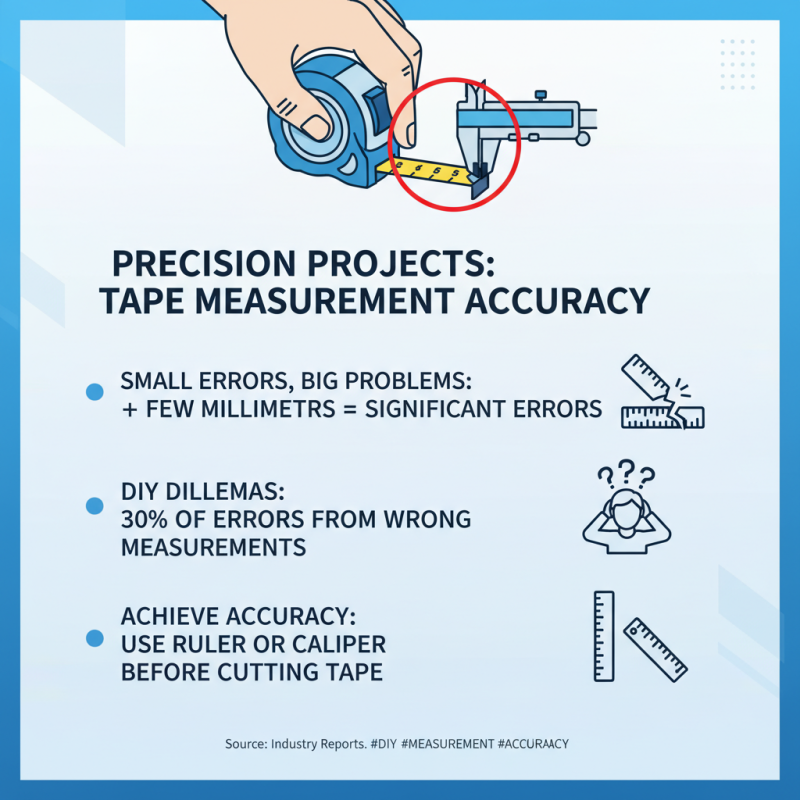
When working on projects that require precision, measuring small tape accurately is crucial. A miscalculation of even a few millimeters can lead to significant errors. Industry reports show that about 30% of DIY errors stem from incorrect measurements. To achieve accuracy, use a reliable measuring tool, like a ruler or caliper. This helps ensure you have the correct dimensions before cutting your tape.
Cutting small tape correctly is equally important. A steady hand is essential for straight lines. Many suggest using a sharp knife or scissors for a clean edge. Interestingly, studies indicate that over 40% of users underestimate the impact of a clean cut on project success. Rushed cuts often lead to frayed edges and uneven lengths, which can frustrate users. Small adjustments can sometimes lead to major improvements.
Remember that practice makes perfect. Take your time while measuring and cutting. Rushing can lead to mistakes. If you're off by even a small fraction, it can affect your entire project. Reflect on your methods. Identify areas where you can improve. Embrace the process, and your final results will be more rewarding.
Tips for Adhesive Strength: Maximizing the Bond of Small Tape
Using small tape for projects can be tricky. To maximize adhesive strength, starting with a clean surface is essential. Dust and dirt can weaken the bond. Wipe the area with rubbing alcohol. This simple step often gets overlooked, but it’s crucial.
Next, apply the tape smoothly. Air bubbles can ruin adhesion. Press it down firmly, ensuring full contact with the surface. If it wrinkles, remove and reapply. It might feel frustrating, but achieving a perfect bond is worth it. Sometimes, despite your best efforts, the tape still peels after a few days. Don't be discouraged. Experimenting with different techniques can lead to improvement.
If you notice the tape lifting, it could be time to rethink your approach. Testing in small sections first might be beneficial. Try different methods to see which one holds best. Small adjustments can make a significant difference. Each project is a chance to refine your technique. The journey to mastering small tape use is ongoing and can be quite fulfilling.
2026 How to Use Small Tape Effectively for Home and Office Projects? - Tips for Adhesive Strength: Maximizing the Bond of Small Tape
| Project Type |
Tape Recommended |
Adhesive Strength |
Best Use Case |
Tips |
| Wall Art |
Removable Tape |
Medium |
Temporary display of photos or art |
Test on a small area first to check removal |
| Gift Wrapping |
Clear Tape |
High |
Sealing boxes or wrapping gifts |
Use small pieces to avoid rippling |
| Craft Projects |
Double-Sided Tape |
Strong |
Attaching embellishments or layering |
Ensure tape is aligned correctly before pressing |
| Office Organization |
Masking Tape |
Medium |
Labeling items or creating visual sections |
Easily removable without damage |
Common Mistakes in Tape Application and How to Avoid Them
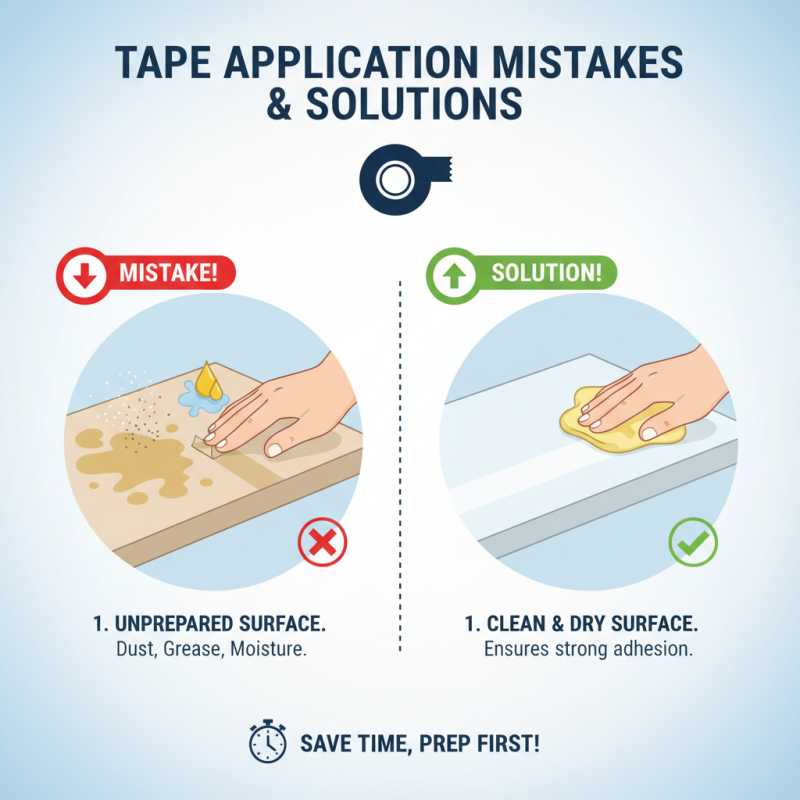
When using tape for various projects at home or in the office, it is easy to make mistakes. One common error is not preparing the surface properly. Dust, grease, or moisture can prevent tape from adhering correctly. A clean, dry surface is crucial. Skipping this step can lead to peeling or lifting edges. Ensuring a smooth application requires a bit of extra time.
Another frequent mistake is cutting the tape incorrectly. People often tear or cut without measuring first. This can result in uneven lengths, leading to a poor finish. It's important to use a straight edge when cutting. Even small imperfections can impact the overall look. Regularly checking alignment can save time and frustration later on.
Finally, applying too much tape can also be problematic. Many believe that more tape equals better adhesion. This is not always true. Applying tape too thickly can create lumps and misalignments. Using just enough tape for the job will often yield better results. Being mindful of these details can significantly enhance your results.