Top Quality Insulation Tape for Global Buyers Seeking Reliability
Insulation Tape is a critical component in various industries, ensuring both safety and efficiency. According to a report by MarketsandMarkets, the global insulation tape market is projected to reach $3.5 billion by 2025, growing at a CAGR of 5.2%. This growth demonstrates the increasing demand for reliable materials in electrical and automotive applications.
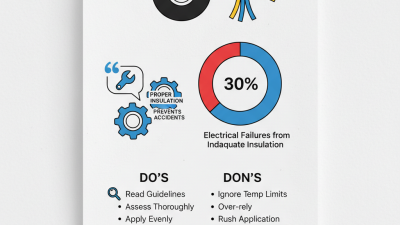
High-quality insulation tape is essential for preventing electrical short circuits and ensuring the longevity of components. Manufacturers emphasize the importance of durability and temperature resistance. However, not all products meet these standards. A 2020 survey highlighted that 30% of respondents faced failures due to subpar tape quality. This reveals a pressing need for buyers to carefully evaluate their suppliers and understand the specifications of insulation tape.
Choosing the right insulation tape can significantly impact project outcomes. Factors such as adhesion strength, thickness, and temperature range play crucial roles. While many options exist, distinguishing between top-tier products and inferior alternatives can be challenging. Buyers must invest time to research and seek recommendations to ensure reliable performance over time.
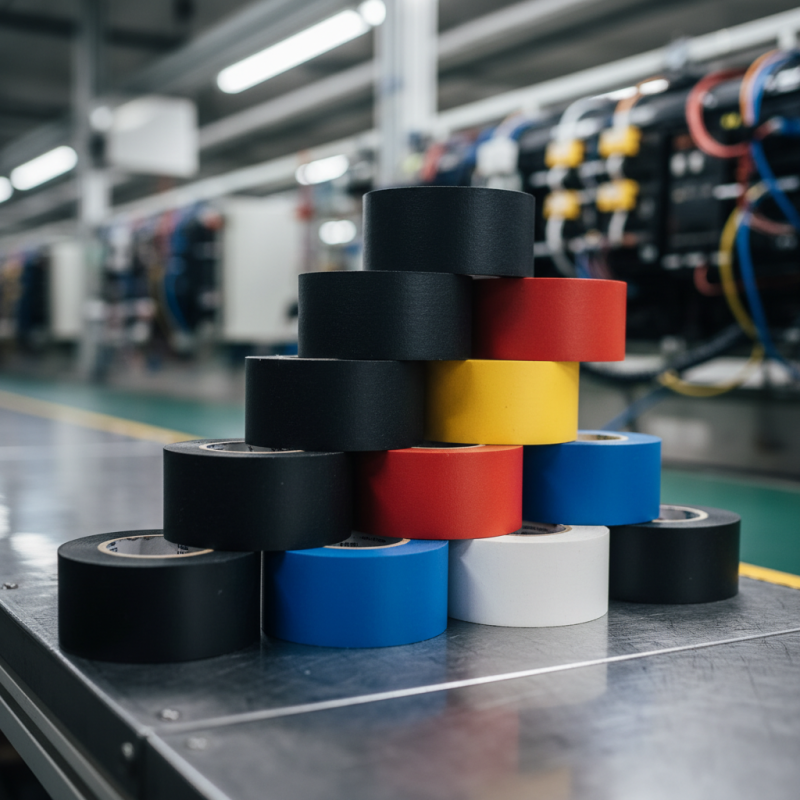
Top Quality Insulation Tape: A Comprehensive Overview
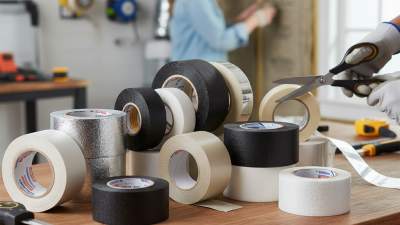
When selecting top quality insulation tape, consider various factors that influence its performance. The material plays a crucial role in its effectiveness. Most insulation tapes are made from PVC or PET, which affects durability and temperature resistance. High-quality tapes often withstand extreme weather conditions and maintain their adhesive properties over time. Buyers should closely evaluate these attributes.
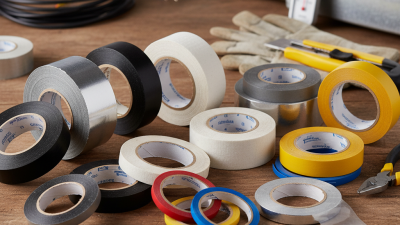
Also, consider the thickness of the insulation tape. A thicker tape generally offers better insulation but may be less flexible. This can be a critical factor for intricate applications. Different colors might indicate specific functions, such as electrical safety or temperature coding. It is important to understand these distinctions to choose the right tape for the task at hand.
While many options are marketed as “the best”, not all perform as expected. Users often find that a tape may fail in specific scenarios—like high humidity environments. Seeking reliable reviews or testing samples can help buyers avoid costly mistakes. It’s vital to assess whether the tape lives up to its advertised qualities based on your unique needs.
Key Characteristics of Reliable Insulation Tape for Industrial Use
When selecting insulation tape for industrial use, reliability is paramount. Key characteristics such as temperature tolerance, adhesion strength, and material composition significantly determine performance. According to recent industry reports, high-quality insulation tape can withstand temperatures ranging from -40°C to 150°C, making it ideal for diverse applications.
Adhesion is another crucial factor. A tape that fails to stick properly can lead to equipment damage and safety hazards. Studies indicate that tapes with a peel adhesion of at least 18 ounces per inch yield superior results under stress. Additionally, the composition of the tape, whether PVC, rubber, or cloth-based, influences its durability and resistance to chemicals.
Despite advancements, some manufacturers overlook these critical aspects. A recent survey showed that 25% of insulation tapes failed to meet industry standards for adhesion and endurance. These failures highlight the necessity for buyers to conduct thorough evaluations before purchasing. Real-world testing scenarios often reveal inconsistencies, emphasizing the need for reliable sourcing. Ensuring consistent quality helps reinforce safety in industrial operations.
Market Trends: Demand for High-Performance Insulation Tape Globally
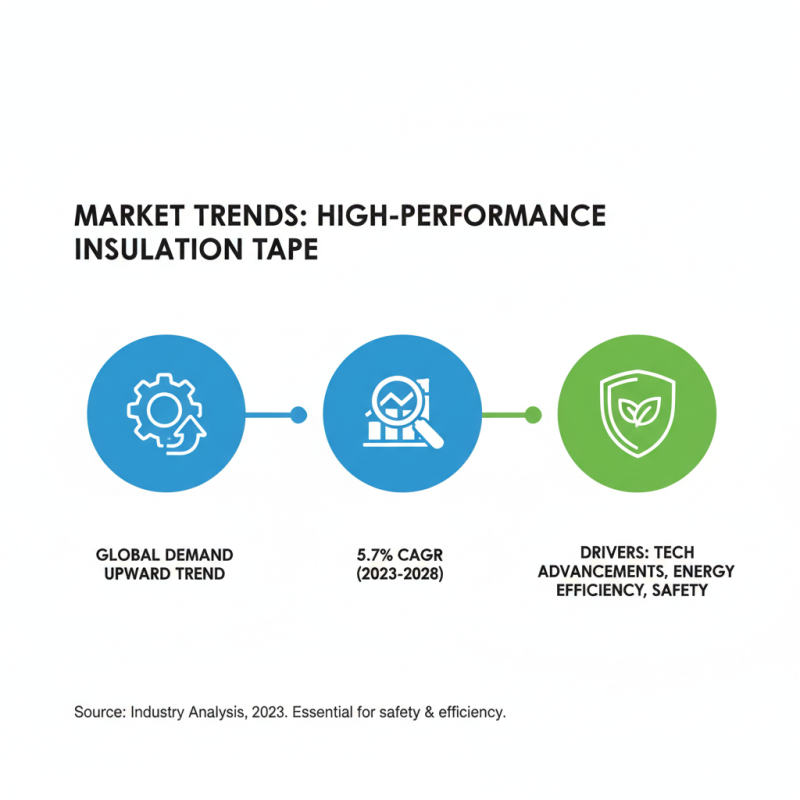
Insulation tape is essential in ensuring safety and efficiency in various applications. Recent studies indicate a steady rise in demand for high-performance insulation tape globally. Analysts project the market will grow at a compound annual growth rate (CAGR) of 5.7% from 2023 to 2028. This growth is driven by advancements in technology and the increasing awareness of energy efficiency and safety.
The need for reliable insulation tape is evident across multiple sectors. For instance, the construction and automotive industries are increasingly relying on advanced materials. Data from industry reports shows that nearly 70% of insulation tape purchases are tied to specific performance criteria. Buyers are now prioritizing durability, temperature resistance, and adhesive strength. Despite the clear benefits, some manufacturers struggle to maintain consistent quality. This inconsistency often leads to doubts among buyers regarding the reliability of products.
Tips: Ensure you assess the color coding of insulation tapes, which indicates their temperature ratings. It's crucial to select the right type for your specific needs. Remember, a quick product test can prevent future failures. Always check supplier credentials. Reliable suppliers often provide certifications and data sheets, reflecting their commitment to quality standards.
Comparative Analysis of Leading Brands in Insulation Tape Industry
In the insulation tape industry, reliability is key. A comparative analysis of leading brands reveals significant differences in performance metrics. According to a recent industry report, the best insulation tapes offer tensile strength ratings above 30 pounds per inch. This ensures that they can withstand high-stress applications without breaking down.
Moreover, adhesion quality is vital for performance. The same report shows that top products maintain adhesion for over five years, even in extreme temperatures. However, not all companies meet this standard. Some brands struggle with consistency, leading to product failures in critical applications. Users often report that they had to replace inferior products sooner than expected. This raises concerns about long-term cost-effectiveness.
Additionally, environmental factors play a role in tape performance. Many insulation tapes are tested for UV resistance and moisture exposure. Data indicates that top-performing brands resist degradation through prolonged exposure, while others may lose effectiveness. These inconsistencies highlight the need for rigorous testing and consumer awareness. Buyers should consider these factors when purchasing insulation tape, ensuring they invest in reliable products that meet industry standards.
Industry Standards and Certifications for Quality Insulation Tape Products
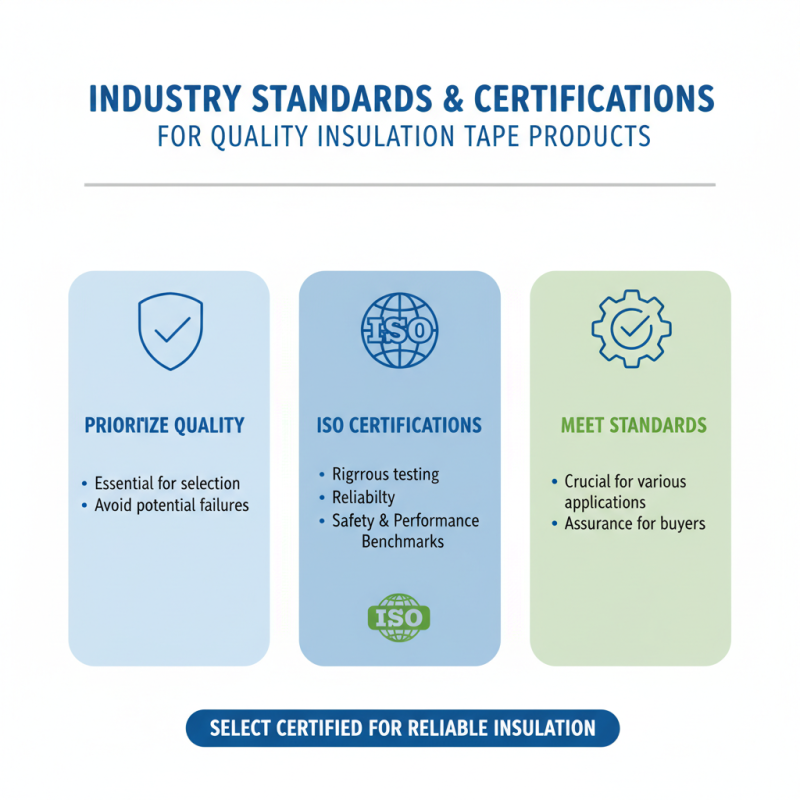
When selecting insulation tape, it's essential to prioritize quality. Industry standards play a crucial role in this selection process. Look for tapes that comply with ISO certifications, indicating rigorous testing and reliability. These certifications showcase that the products meet safety and performance benchmarks essential in various applications. Without this assurance, buyers may face potential failures.
Different applications require different specifications. For instance, electrical insulation tape must meet specific voltage ratings and temperature resistance. Quite often, manufacturers may claim compliance without proper validation. This can lead to serious issues over time. Buyers should always verify claims through third-party testing results. Understanding these nuances helps in making informed decisions.
Quality doesn’t always mean high price. Sometimes, expensive products fail to meet expectations. It's vital to evaluate both cost and performance. Reflecting on past experiences can guide future purchases. Emphasizing the need for adaptability and vigilance in quality assessment ensures optimal results. Remember, not all insulation tapes are created equal.