Top 10 Clear Tape Options for Global Buyers to Consider?
Clear tape is an essential item in various industries. It serves multiple purposes, from packaging to crafting. Choosing the right clear tape can greatly impact the quality of your projects. With numerous options available, it's important to understand what separates the best from the mediocre.
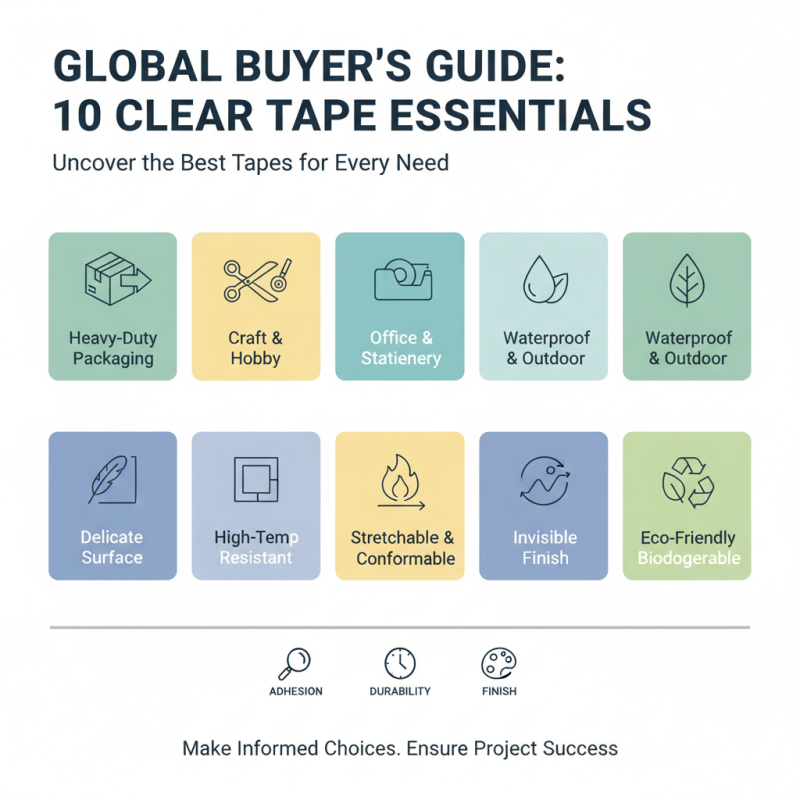
This article explores the top ten clear tape options that global buyers should consider. Each tape has unique properties and suitable applications. For instance, some tapes offer stronger adhesion, while others are perfect for delicate surfaces. Knowing your specific needs is crucial when selecting the best tape for your requirements.
While many products claim to be the best, not all live up to expectations. Some tapes may lose their stickiness over time. Others might not provide a clean finish. It’s vital for buyers to reflect on their choices. By being informed, you can ensure your projects turn out as intended. The right clear tape can save time and money while delivering reliable results.
Understanding the Importance of Clear Tape in Global Markets
Clear tape plays a vital role in global markets. It is used in various sectors, including
packaging, shipping, and crafting. Its versatility makes it an essential tool for both businesses and consumers.
Understanding the right type of tape can improve efficiency and reduce costs.
When selecting clear tape, consider the specific application. Not all tapes are created equal. Some are designed for heavy-duty use, while others work
better for light tasks. Ensure you assess the adhesive quality and durability before making a decision. Testing
a small piece before larger applications can save time and resources.
Here are some tips for using clear tape effectively:
- Always keep the tape stored in a cool, dry place to avoid degradation.
- When applying tape, make sure to press it down firmly. This enhances adhesion and prevents lifting.
- Don’t forget that not every project requires high-performance tape. Sometimes, a simpler option is more than sufficient. Experiment with various types to find what works best for your unique needs.
Top Features to Look for in Clear Tape Products
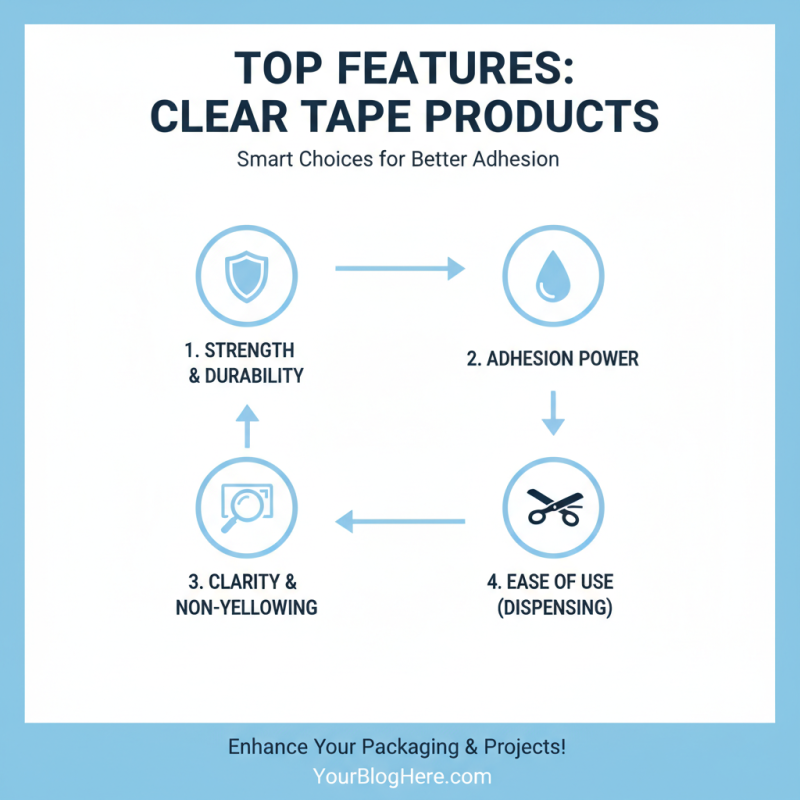
When choosing clear tape products, understanding key features can significantly enhance your purchasing decisions. The adhesive strength is paramount. Strong adhesive ensures items stay securely attached. According to a recent industry report, 75% of users prioritize adhesive durability. This aspect prevents failures in critical bonding applications.
Another essential feature to consider is transparency. High-quality clear tape offers excellent clarity. This property is particularly important for projects requiring aesthetic appeal. A study highlighted that 80% of consumers prefer tape that blends seamlessly with surfaces. Opt for products that boast optical clarity for the best results.
Tips: Always test the tape on a small area first. This will ensure compatibility with your materials. Additionally, consider the roll width. Different projects often require various widths for efficiency. Lastly, review the tape's temperature resistance. It affects performance in fluctuating environments.
Lastly, don't overlook the tape's ease of use. A product that tears easily can save time. However, make sure it doesn't compromise its overall strength. Choosing a tape that balances ease of use and performance can be challenging yet rewarding. Look for user feedback to guide your choices.
Review of Leading Brands Offering Clear Tape for International Buyers
When it comes to clear tape, the options can be overwhelming. International buyers need reliable solutions for various applications. Whether for packaging or crafts, the quality of tape matters. Clear tape should ideally adhere well and provide a clean finish.
Leading brands focus on different features. Some prioritize strength, while others emphasize ease of use. Users often find that the tape’s thickness plays a crucial role in its performance. Thicker tapes might provide better durability, but they can be harder to tear. A user-friendly dispenser can improve the overall experience.
Buyers should also consider environmental factors. Some manufacturers strive to produce eco-friendly products. However, finding balance between performance and sustainability is challenging. Global buyers often report mixed experiences. It's crucial to test different types based on specific needs. Exploring options without relying on a single solution encourages better decision-making.
Comparative Analysis of Price Points for Clear Tape Options
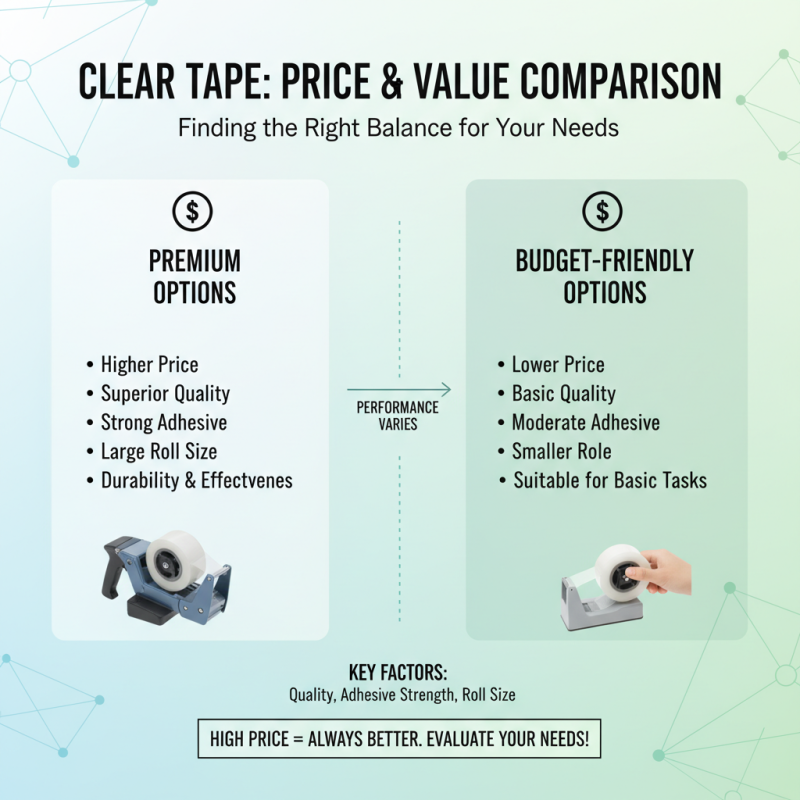
When it comes to selecting clear tape, understanding the price points is crucial. The market is flooded with options, each varying significantly in cost. Factors influencing prices include quality, adhesive strength, and roll size. A product with a higher price often promises durability and effectiveness. However, this isn't always the case. Some low-cost alternatives can perform surprisingly well in basic tasks.
It's essential to consider the intended use. Basic office tasks might not require premium tape, while packaging needs could benefit from stronger adhesives. Buyers often find that spending more doesn’t guarantee better performance. It’s worth testing a few options to find what works best for your needs. Some sellers offer smaller samples, which can help in making informed decisions.
Additionally, not every expensive tape excels in all tasks. An analysis of user reviews shows mixed results. Customers sometimes report dissatisfaction with high-end products. This reflects the importance of personal preference and specific requirements in selecting tape. Price does not always equate to quality, making careful comparisons vital for buyers globally.
Sustainability Considerations for Clear Tape Selection Worldwide
When selecting clear tape, sustainability is a vital consideration. Eco-friendly materials can significantly reduce environmental impact. Many traditional tapes are made from petroleum-based plastics. These are not biodegradable and contribute to pollution. Choosing tapes made from renewable resources can help businesses meet eco-conscious goals.
Understanding the disposal methods of clear tape is essential. Some tapes can be recycled, while others cannot. Buyers should look for clearly labeled recycling information. Composite materials may be challenging to recycle and can end up in landfills. Solutions must focus on minimizing waste throughout the product lifecycle.
Transparency in sourcing is also important. Businesses need to inquire about the production processes. Are they water-efficient? What energy sources are used? Opting for suppliers who share sustainability practices fosters a more responsible purchasing decision. However, many companies still struggle with this transparency. This gap needs reflection as buyers navigate their options. Prioritizing sustainable choices is a journey, not a destination.
Top 10 Clear Tape Options for Global Buyers to Consider - Sustainability Considerations for Clear Tape Selection Worldwide
| Tape Type |
Material |
Recyclability |
Adhesive Type |
Best Use Case |
| Polypropylene Tape |
Polypropylene |
Yes |
Acrylic |
Packaging and Shipping |
| Biodegradable Tape |
Renewable Resources |
Yes |
Natural Rubber |
General Use |
| PVC Tape |
PVC |
No |
Synthetic |
Electrical Applications |
| Cellophane Tape |
Cellulose |
Yes |
Acrylic |
Arts and Crafts |
| Gummed Tape |
Paper |
Yes |
Natural Adhesive |
Sealing Boxes |
| Masking Tape |
Paper |
Yes |
Rubber |
Painting and Crafting |
| Silicone Tape |
Silicone |
No |
Silicone |
Waterproofing Seals |
| Double-Sided Tape |
Polyester |
Yes |
Acrylic |
Mounting Applications |
| Heat Resistant Tape |
Polyimide |
No |
Silicone |
Electronics |
| Tape for Plastic Wrap |
Polyethylene |
Yes |
Acrylic |
Food Packaging |