Top Small Tape Types for Your Sourcing Needs?
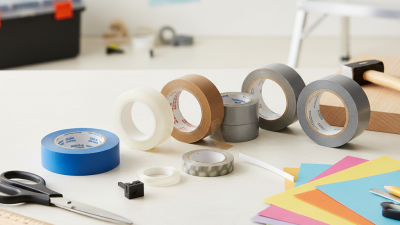
In the world of sourcing, selecting the right small tape is crucial. Various projects require specific types of tapes, and understanding their differences can save time and money. Small tape comes in various forms, each designed for unique applications. This diversity allows businesses to meet their varying needs effectively.
Small tape is not just a simple adhesive strip. It plays a significant role in packaging, crafting, and repairs. For example, double-sided tape offers a clean look, while washi tape adds a decorative touch. Companies should consider factors such as adhesive strength, texture, and material when choosing.
Navigating the options can be overwhelming. Each type of small tape has its strengths and weaknesses. Some perform well in high-temperature environments, while others may not adhere strongly to certain surfaces. Understanding these nuances is essential for making informed decisions in sourcing. By examining these types closely, you'll be better equipped to select the right small tape for your specific needs.

Understanding the Different Types of Small Tape Available for Sourcing
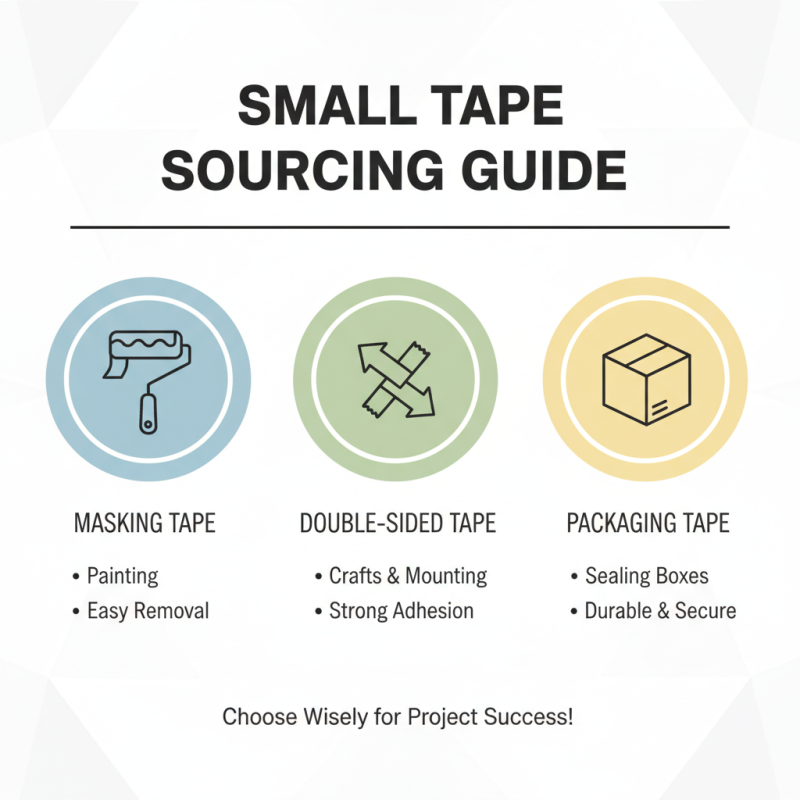
When sourcing small tape, understanding the various types is crucial. Each tape serves different purposes. Choosing the right one can impact your project's success. For instance, masking tape is ideal for painting. It's easy to remove and leaves no residue. In contrast, double-sided tape offers strong adhesion for crafts and mounting tasks.
Tips: Look for tapes that offer strong hold yet are easy to manipulate. Test a sample before buying. This ensures it meets your specific needs.
Another type is washi tape, popular in crafting and scrapbooking. It comes in various colors and patterns. It’s easy to tear and reposition. However, its adhesion can be weaker than others. Consider where you plan to use it. It might not hold up in high-stress areas.
Tips: Always keep in mind the weight of the items you are using tape for. Choose something durable if you need long-lasting results. Remember, not all tape is created equal. Consider your requirements before making a decision.
Key Features to Consider When Choosing Small Tape for Projects
When selecting small tape for your projects, certain features can make all the difference. Adhesion strength is key. A tape that sticks well to various surfaces will ensure durability. Check the backing material as well. Some tapes use paper, while others consist of plastic or fabric. Each material has unique benefits and applications.
Another aspect to consider is the tape’s width. A wider tape can cover more area quickly, which is great for larger jobs. Conversely, narrower tape offers precision for detailed tasks. Don’t overlook the temperature resistance. Some projects require tapes that withstand high heat, while others need cold-resistant options. Testing a small section can provide insight into its performance under specific conditions.
Lastly, ease of use matters. Tapes that tear easily or unwind smoothly can save time on projects. However, watch out for tapes that might curl or stick to themselves. These issues can lead to frustration. Assessing user reviews can help gauge reliability. Making informed choices is essential for successful outcomes.
Top Small Tape Types for Your Sourcing Needs
| Tape Type |
Material |
Adhesive Type |
Width (inches) |
Length (yards) |
Temperature Resistance (°F) |
| Masking Tape |
Paper |
Acrylic |
0.5 |
60 |
200 |
| Duct Tape |
Cloth |
Rubber |
1 |
30 |
200 |
| Double-Sided Tape |
Polyethylene |
Hot Melt |
0.75 |
50 |
180 |
| Electrical Tape |
Vinyl |
Rubber |
0.5 |
66 |
221 |
| Packing Tape |
BOPP |
Acrylic |
2 |
110 |
120 |
Comparative Analysis of Adhesive Strength in Small Tape Varieties
When evaluating small tape types, adhesive strength is crucial. Companies often require reliable tapes for various applications. Analyzing different small tape varieties helps to understand their strength and suitability. For instance, some tapes stick well to surfaces, while others may struggle, especially on textured materials.
The adhesive composition is a major factor in strength. Rubber-based adhesives offer excellent initial tack. However, they may weaken over time. Acrylic-based adhesives are resistant to UV light, making them ideal for outdoor use. Yet, they might not be as effective on low-energy surfaces. This comparative analysis highlights that not all tapes are created equal.
Users should consider environmental factors too. Temperature variations can impact adhesion. Tape that works well in one scenario may fail in another. Testing under specific conditions is essential. It’s worth noting that even the best tapes have limitations. Some may peel easily, while others can leave residue. Understanding these details is vital for making informed sourcing decisions.
Exploring Recommended Brands and Products of Small Tape for Buyers
When exploring small tape options, buyers should examine various recommended brands and products. In the adhesive tape market, small tapes represent a significant segment, contributing to an estimated value of $2.5 billion globally in 2022. Various industries utilize these tapes, including crafts, packaging, and electronics, reflecting their versatility.
Different types of small tapes cater to unique needs. Double-sided tape is favored for its strong adhesion, while washi tape adds a decorative touch to projects. A recent industry report highlighted that users increasingly prefer eco-friendly options. This trend suggests a shift toward tapes made from sustainable materials. There's room for improvement regarding consistency in adhesive quality among various brands.
Tips: When sourcing tape, consider the intended application. Adopting a trial approach can help identify the best fit for your needs. Reading user reviews is crucial; they can reveal insights into performance and reliability. Remember, not all tapes perform equally under different conditions. Test samples in varied environments to ensure compatibility and effectiveness.
Best Practices for Storing and Handling Small Tape for Optimal Performance
When it comes to small tape,
understanding proper storage and handling is crucial for optimal performance.
According to the "2023 Adhesive Tapes Market Report,"
improper storage can lead to adhesive breakdown. This often results in diminished performance when the product is needed most.
Ambient temperature and humidity levels should be controlled. Tapes stored in overly damp or dry environments may suffer from reduced efficacy.
Here are some tips for effective tape storage:
- Store rolls upright and avoid stacking. This helps maintain their shape.
- Use a dark, cool environment to protect sensitive adhesives from UV exposure.
- Also, ensure that the material is clean and dry before use to enhance adhesion.
- Tidiness in your tape storage area minimizes contamination risks and enhances operational efficiency.
Handling small tape requires precision.
Avoid touching the adhesive side as skin oils can degrade its bonding ability.
A recent study found that 60% of users discard tape due to handling errors.
This can be mitigated by developing a standard operating procedure for tape usage, ensuring everyone on your team knows the best practices.
Taking these simple steps can vastly improve your tape's performance and longevity.