China Top Transparent Tape Types and Uses Explained?
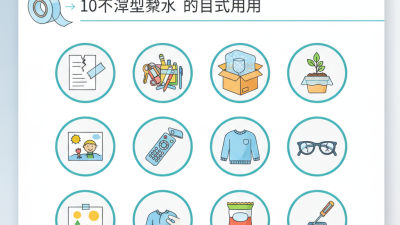
Transparent tape is an essential item in both households and industries. It is versatile and easy to use. Many people rely on transparent tape for everyday tasks. This adhesive can bind materials like paper, plastic, and fabric. Its clarity allows for invisible repairs, making it popular for crafts and packaging.
Different types of transparent tape serve various purposes. Some are designed for heavy-duty applications, while others are lighter and more suitable for delicate tasks. The thickness and adhesive strength vary, which can affect performance. Users often must choose based on their specific needs.
As we look towards future innovations, we see the potential for advancements in tape technology. Improved adhesives and environmentally friendly options could enhance user experience. Yet, the challenge remains to balance performance with sustainability. Understanding the nuances of transparent tape can lead to better choices in both personal and professional settings.
Types of Transparent Tapes Commonly Used in China
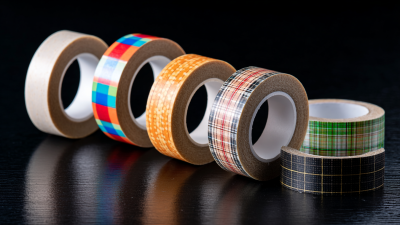
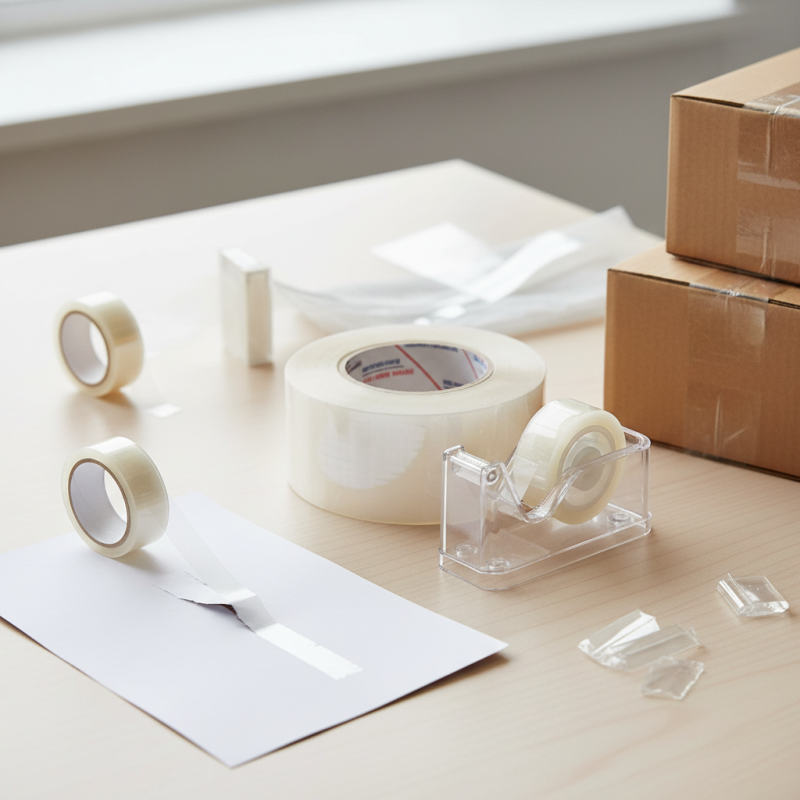
In China, transparent tape is widely used in various settings, including offices and homes. There are several types of transparent tape, each serving a specific purpose. The most common type is the clear adhesive tape. It is versatile and can be used for wrapping gifts or sealing packages. Many people appreciate its strong hold and easy application.
Another popular type is the double-sided tape. This tape offers a unique advantage. It is sticky on both sides, allowing for seamless attachment of objects. Crafts and DIY projects often benefit from this kind of tape. Users sometimes struggle with its positioning, though. It often requires precision to avoid errors.
Masking tape is also frequently used in China. While not truly transparent, it is often clear enough for certain applications. It is great for painting projects. However, the adhesive can sometimes leave residue. This factor requires careful consideration for clean finishes. Overall, each type of tape has its own strengths and weaknesses.
China Top Transparent Tape Types and Uses Explained
| Tape Type |
Adhesive Type |
Thickness |
Common Uses |
| BOPP Tape |
Pressure Sensitive Adhesive |
40-50 microns |
Packaging, Carton Sealing |
| PVC Tape |
Rubber Adhesive |
50-70 microns |
Surface Protection, Insulation |
| Double-Sided Tape |
Acrylic Adhesive |
50-100 microns |
Mounting, Crafting |
| Masking Tape |
Synthetic Rubber Adhesive |
100-200 microns |
Painting, Surface Protection |
| Cloth Tape |
Rubber Adhesive |
100-150 microns |
Repair, Binding |
Key Characteristics to Consider When Choosing Transparent Tape
When selecting transparent tape, consider its adhesive strength, thickness, and clarity. The adhesive strength determines how well it sticks to surfaces. A strong adhesive is essential for heavy-duty tasks, while a weaker one is better for light applications. Thickness is another crucial factor. Thicker tape is more durable but may be bulkier, while thinner tape is easier to handle but can tear easily.
Clarity affects the tape's appearance and functionality. A tape with high clarity blends seamlessly with surfaces, making it perfect for repairs or crafts. However, some tapes might bubble or wrinkle, leading to a less professional finish. Users should test different types to find the right balance of strength, thickness, and clarity for their specific needs. Reflecting on these characteristics can lead to better choices and improved results in your projects.
Comparative Analysis of Transparent Tape Types
This chart compares the adhesion strength of various types of transparent tapes, which is a key characteristic to consider when choosing the right tape for specific applications.
Popular Applications of Transparent Tape in Various Industries
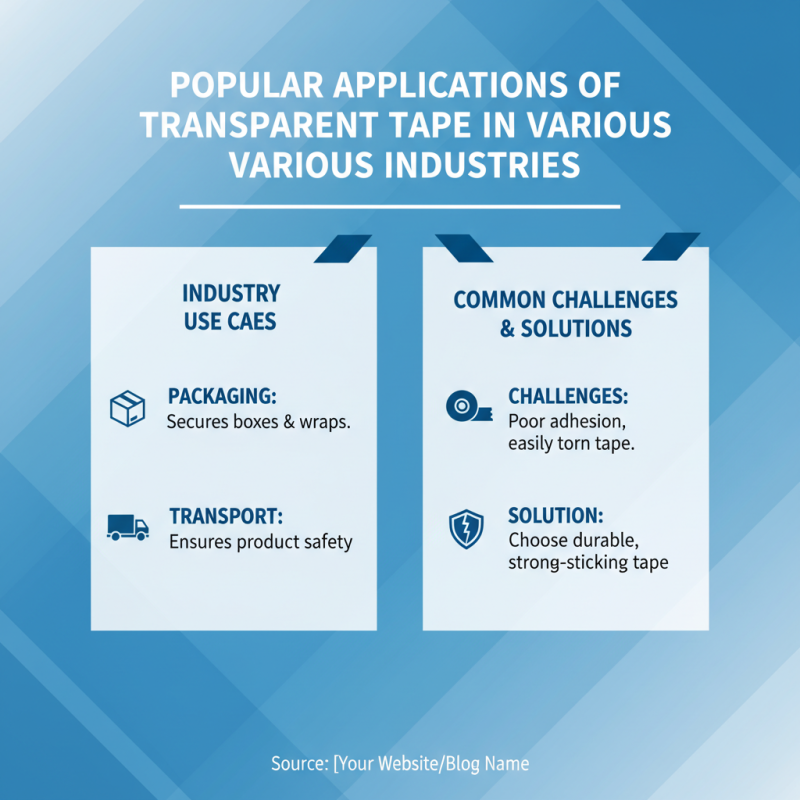
Transparent tape is widely used across various industries. In packaging, it secures boxes and wraps. This ensures that products stay safe during transport. Often, users struggle with tape that won't stick well or tears easily. Choosing a durable option can solve these problems.
In offices, transparent tape serves multiple purposes. It fixes torn documents and creates quick banners. Yet, users sometimes find it difficult to cut neatly. This can lead to messy edges, which look unprofessional. A sharp pair of scissors can help improve the results with cleaner cuts.
Crafting is another popular application. Crafters use tape to hold materials together temporarily. However, finding the right width and thickness matters. Too thin may not hold, while too thick can be cumbersome. Testing different types can help find the perfect fit for projects.
Comparison of Different Brands and Their Transparent Tape Products
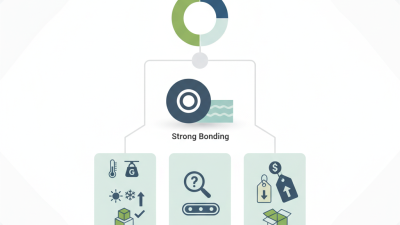
When exploring transparent tapes, various brands offer unique solutions. Some focus on durability while others emphasize easy unwinding. Each product has distinct features that fulfill different needs. For instance, one type may provide a strong bond, ideal for packaging. Another variant might excel in clarity, making it suitable for present wrapping.
Comparing different products reveals nuances. Some tapes have a glossy finish, enhancing their appearance. Others might be matte, creating a softer look. The adhesive strength varies significantly. Certain brands hold strong while being easy to peel away, which can reduce frustration during usage. This inconsistency can guide users towards their preferred choice.
Users may find that some tapes fail in specific conditions, such as extreme temperatures. In humid environments, some adhesives may weaken. It's also common for users to overlook the importance of surface compatibility. This can limit the effectiveness of certain tapes. Each brand's strengths and weaknesses warrant careful consideration. The best transparent tape depends on the project at hand.
Best Practices for Using Transparent Tape Effectively
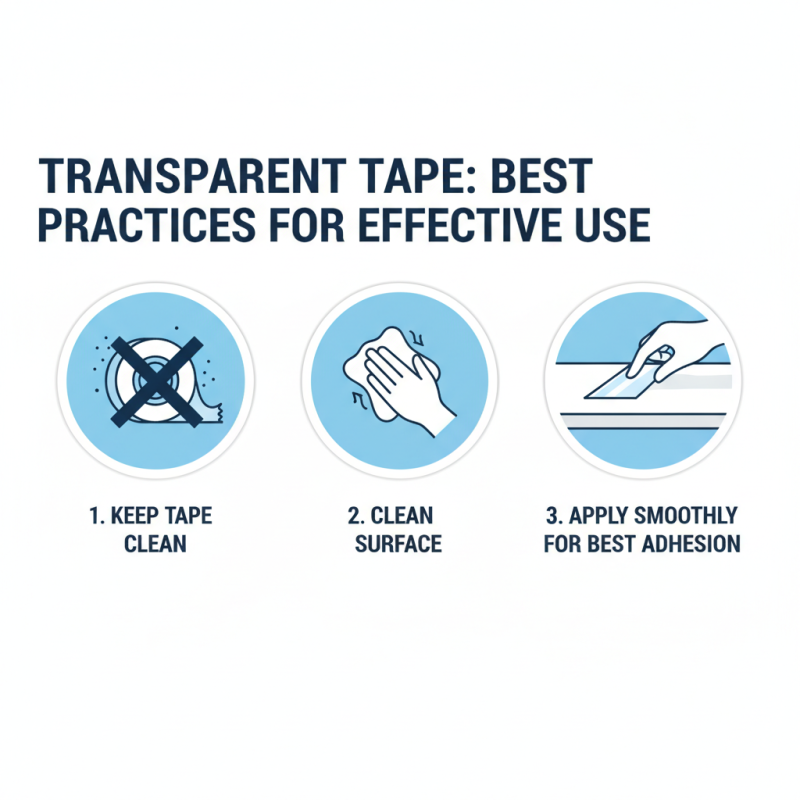
Transparent tape is a staple in many households and offices. To use it effectively, consider a few best practices. First, always ensure the tape is free from dust and dirt. This will help it stick better. Clean the surface before applying the tape.
When cutting tape, use sharp scissors. Frayed edges can lead to an uneven application. Take your time to make clean cuts. This small detail can make a big difference. Remember, not all tape is created equal. Some types are better for specific tasks.
**Tips:** Think about the tape's width based on your project. A wider tape covers more area but may not adhere as tightly in corners. If the tape doesn’t stick well, it may not be the right kind for your task. If you find yourself pulling tape too often, reflect on the surface. An uneven surface can impact adhesion.