Top 10 Uses for Hot Melt Packing Tape You Should Know?
Hot Melt Packing Tape is a versatile tool that many people overlook. It is commonly used for sealing packages. However, its applications go well beyond simple box sealing. From arts and crafts to household repairs, this tape has a place in various settings.
One of its most notable uses is in shipping and packaging. Businesses rely on Hot Melt Packing Tape to secure their items during transit. Without it, packages can easily come undone. Furthermore, its strong adhesion makes it a favorite among crafters. They use it for creating intricate designs or securing elements in their projects.
People often underestimate how vital this tape can be in everyday life. It can fix broken items temporarily or even help with DIY home projects. Yet, some might misuse it, applying it too generously or in the wrong places. Recognizing the right balance in usage is essential. Understanding the true potential of Hot Melt Packing Tape can lead to surprising solutions for common problems.
Applications in Packaging and Shipping
Hot melt packing tape is essential in packaging and shipping. This tape is widely used due to its strong adhesion and durability. According to recent industry data, over 70% of logistics companies prefer hot melt tape for sealing parcels. It ensures products remain secure during transit, reducing damage and loss.
In the packaging world, proper sealing is crucial. Hot melt tape provides a tight hold on boxes, preventing moisture and dust from entering. This is vital for delicate items that require protection. Additionally, the tape's temperature resistance allows it to perform well in various shipping conditions. However, not all tapes are created equal. Some may not be as effective in extreme temperatures.
**Tip:** Always test a small piece of tape on your packaging material. This ensures compatibility.
In shipping, hot melt tape plays a key role in branding. Many companies print their logo on the tape, enhancing visibility. This can drive marketing efforts without extra costs. Despite this, businesses must reconsider how much tape they use. Overuse can lead to waste and increased shipping costs.
**Tip:** Calculate the appropriate length of tape needed for each package. This can help avoid unnecessary expenses.
Sealing Boxes and Envelopes for Secure Delivery
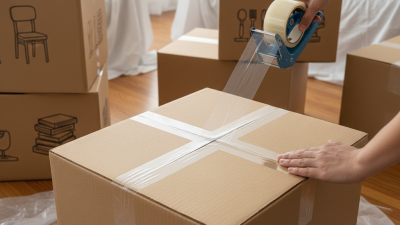
Hot melt packing tape is often overlooked. However, it's a vital tool for sealing boxes and envelopes securely. When you need to send important documents or packages, a reliable seal is crucial. This tape adheres well to various surfaces, ensuring that your items stay protected during transit.
Using this tape properly makes a big difference. Apply it evenly across the seams of your box to prevent opening. Overlapping the tape can create weak points. Be cautious with your technique; a hurried application can lead to waste. It’s not uncommon to find packages that arrive open or damaged. This is partly due to inadequate sealing. Evaluating your process can help improve your results.
When sealing envelopes, hot melt packing tape offers reliable security. Ensure the flap is pressed down firmly before applying the tape. Sometimes, a simple fold might be insufficient. Inspect each envelope for signs of wear or tears. Adopting a critical eye will enhance the protection of your mailed items. Don’t underestimate the importance of a good seal, as it’s often the first line of defense against damage.
Creating Custom Labels and Signage
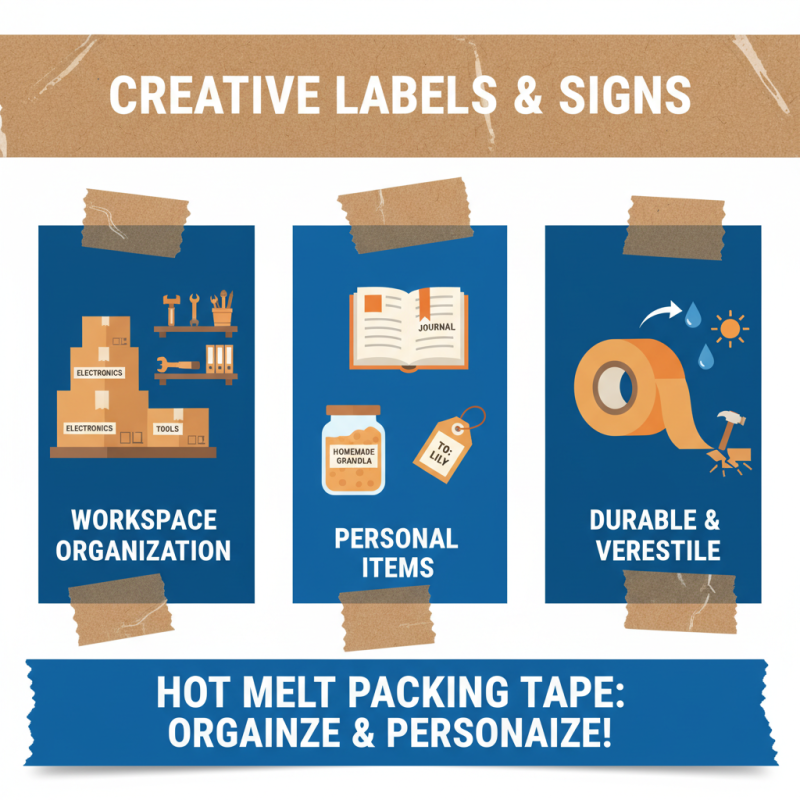
Creating custom labels and signage can be a fun and practical use for hot melt packing tape. This strong and versatile tape can help you design unique labels that stand out. Consider using it for organizing your workspace or personal items. You can create labels for boxes, shelves, or even gift tags. The tape's durability ensures that your labels remain intact, even in tough conditions.
To get started, gather some basic materials. You will need blank labels, scissors, and markers. Simply write your desired text on the label, then cover it with a layer of packing tape. This not only protects your writing but also adds a professional touch. However, it’s important to be mindful of your handwriting. Messy or unclear text can lead to confusion later. Take your time to make it neat.
For signage, think about your space's needs. Whether it’s pointing to a room or indicating safety protocols, the tape can be a key tool. Mounting signs on walls or doors is easy. Just apply a piece of tape on the top and bottom of the sign for secure hold. Remember, though, removing tape later can sometimes leave residue. Always test on a small area first. Planning well can save you time and effort.
Repairing Household Items and Crafts
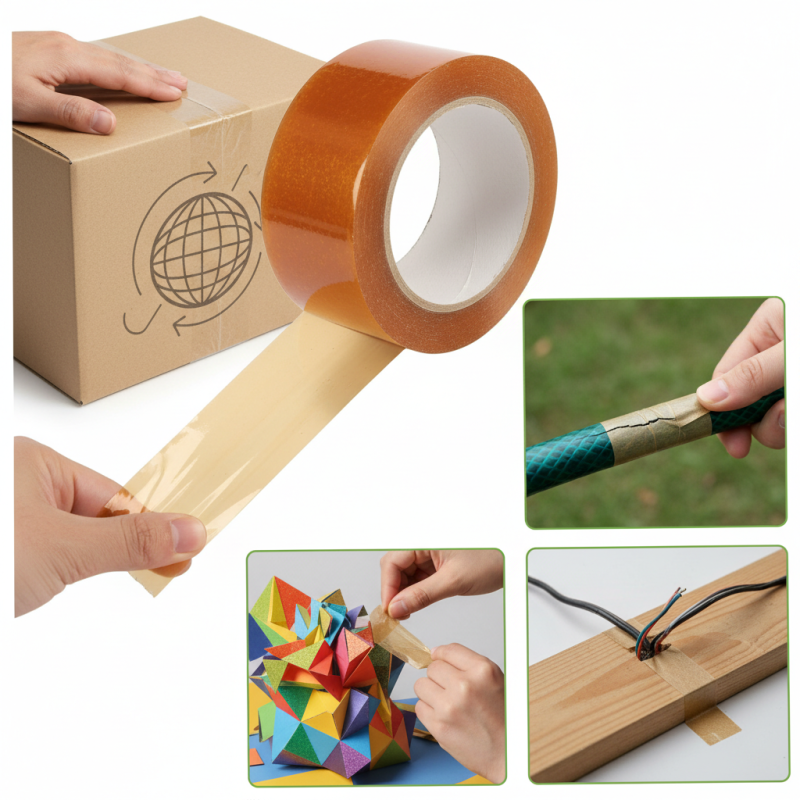
Hot melt packing tape is a versatile tool for both repairs and creative projects. This type of tape is particularly effective in binding materials. A recent report indicated that over 70% of households utilize some form of adhesive for routine repairs. It’s quick and easy. You can fix a broken vase or reattach a loose cabinet door in minutes.
Tips: Always clean the surface before applying the tape. This ensures better adhesion and durability.
Craft enthusiasts also find hot melt tape indispensable. It works well for creating unique items like scrapbooks or handmade gifts. However, using too much tape can create a bulky appearance. Remember to measure before cutting. The ideal width should fit the design without overwhelming it.
Tips: Practice your techniques on scrap materials. This can help avoid mistakes on your final project.
Despite its many advantages, caution is necessary. Hot melt tape may not adhere well to certain surfaces, like fabrics or oily materials. Testing on a small area is wise. Ultimately, hot melt packing tape can serve multiple purposes in your home, but it’s vital to understand its limitations.
Top 10 Uses for Hot Melt Packing Tape
Waterproofing and Insulating Surfaces
When it comes to waterproofing, hot melt packing tape can make a big difference. Its strong adhesive properties create a reliable barrier against moisture. This makes it ideal for sealing boxes, packages, and surfaces that may be exposed to water. You can use it on outdoor items to keep them dry. However, be sure to test a small area first. Not all tapes perform well in wet conditions.
Insulating surfaces is another great use. Hot melt packing tape can provide an extra layer of insulation for pipes and joints. This can help prevent heat loss in the winter. Try wrapping the tape around areas that need extra insulation. Remember, this method is not a substitute for proper insulation materials. It’s just a quick fix when required.
Tips: Always ensure the surface is clean before applying the tape. Dust and moisture will reduce its effectiveness. If the tape starts to peel, consider reapplying. Lastly, keep in mind that while packing tape is versatile, it may not last as long as you expect in extreme conditions. Be ready to check your work!
Conclusion
Hot Melt Packing Tape is an incredibly versatile tool that can be utilized in various applications beyond its primary purpose. In packaging and shipping, it serves as a reliable solution for sealing boxes and envelopes, ensuring secure delivery of items. Additionally, it can be transformed into custom labels and signage, providing a straightforward way to organize and communicate information.
Beyond traditional uses, Hot Melt Packing Tape excels in creative projects, from repairing household items to enhancing crafts. Its waterproof and insulating properties make it suitable for household repairs and DIY projects, allowing for innovative home decor solutions. The myriad of applications showcases the practicality of Hot Melt Packing Tape, making it an essential item for both personal and professional use.