Top 10 Uses for Insulation Tape You Need to Know?
Insulation tape is often overlooked in everyday tasks. However, it serves many practical purposes beyond just electrical insulation. Knowing how to effectively use insulation tape can enhance your projects and simplify repairs.
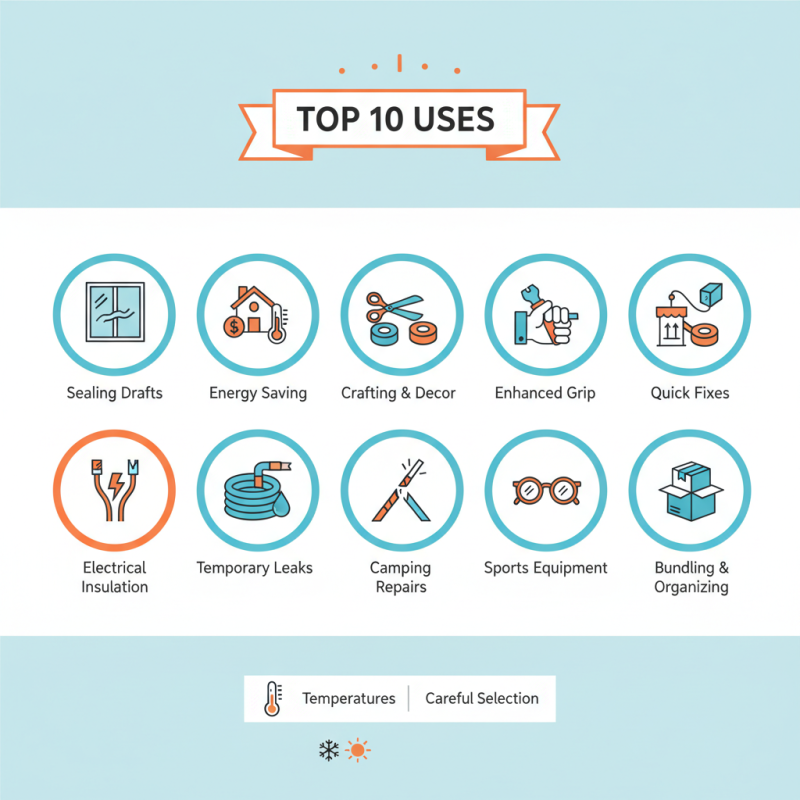
One common use for insulation tape is in home maintenance. It can easily seal drafts in windows and doors. This helps save on energy bills and improves comfort. Another great application is in crafting. Insulation tape can add a pop of color to various projects. You can wrap it around handles for extra grip.
Yet, it's essential to reflect on its limitations. Insulation tape may not withstand extreme temperatures for long. Careful selection for specific tasks is crucial. By exploring these uses, you can unlock the full potential of insulation tape. Make your everyday tasks easier and more efficient.
Top Uses for Insulation Tape in Electrical Applications
Insulation tape is essential for various electrical applications. It provides excellent protection against electrical currents. One of its primary uses is insulating wires. It prevents short circuits and ensures safe connections. When installing or repairing electrical wires, wrap them securely with insulation tape. This simple act can save you from potential hazards.
Another important use is bundling wires together. This keeps your workspace organized and reduces clutter. It helps to avoid tangling and accidental disconnections. Using insulation tape for this purpose may seem basic, but it often gets overlooked. A neat setup not only looks professional but also enhances safety.
Insulation tape can also be useful in marking wires. Different colors can help identify specific circuits or functions. This is especially beneficial in complex setups. However, some might not consider this a priority. Neglecting wire identification can lead to confusion later. Using tape wisely can make troubleshooting much easier, yet many still forget this crucial step.
Top 10 Uses for Insulation Tape in Electrical Applications
| Use Case |
Description |
Advantages |
| Electrical Insulation |
Provides a protective layer on electrical wires. |
Prevents short circuits and electrical shocks. |
| Wire Bundling |
Holds multiple wires together for organization. |
Reduces clutter and potential tangling. |
| Color Coding |
Identifies different wires by color. |
Simplifies installation and troubleshooting. |
| Weatherproofing |
Seals electrical connections against moisture. |
Protects against corrosion and damage. |
| Electrical Repairs |
Temporary fix for damaged wires. |
Quick and efficient solution until permanent repairs. |
| Insulating Tools |
Wraps tool handles for safety. |
Prevents electrical shock during use. |
| Soldering Aid |
Secures wires before soldering. |
Keeps connections stable during soldering. |
| HVAC Applications |
Insulates HVAC wires and lines. |
Improves energy efficiency and prevents heat loss. |
| General Repairs |
Patching up broken insulation on wires. |
Extends the life of electrical components. |
Insulation Tape for HVAC Systems: Enhancing Efficiency and Safety
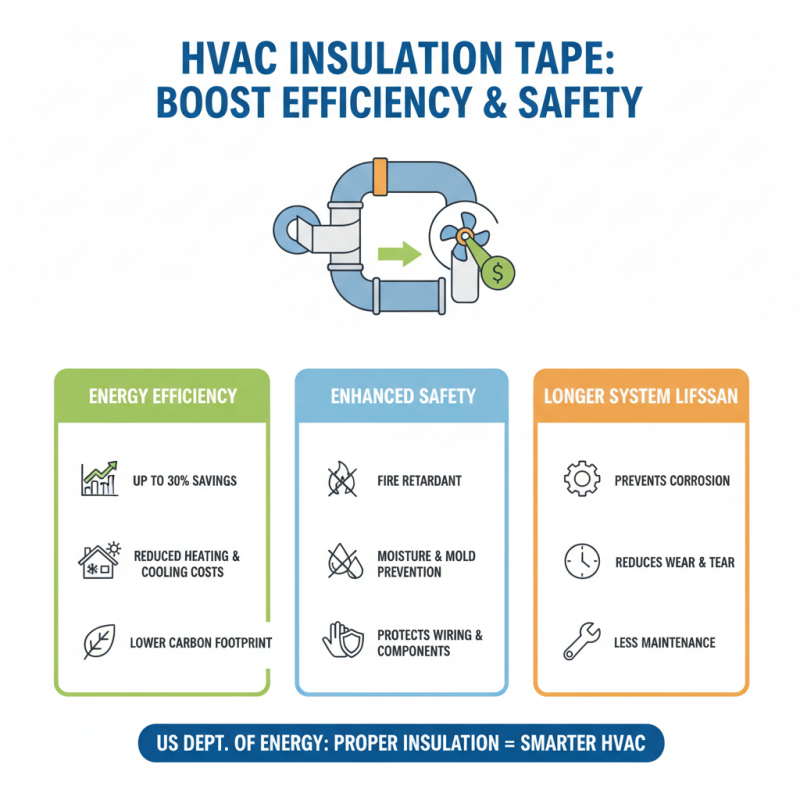
Insulation tape plays a critical role in HVAC systems. Proper insulation enhances energy efficiency and ensures safety. The U.S. Department of Energy estimates that proper insulation and sealing can improve energy efficiency by up to 30%. This is a significant savings in heating and cooling costs.
For HVAC professionals, using high-quality insulation tape means better system performance. Ensure all ducts and joints are sealed effectively. Inadequate sealing can lead to energy loss. According to a report by the American Council for an Energy-Efficient Economy, about 20% of air in a duct system can be lost due to leaks.
Tips: Always inspect your HVAC system for any signs of wear and tear. A small leak can turn into a big issue. Use insulation tape on both insulated and non-insulated pipes. This practice can prevent condensation, which leads to mold growth.
When applying insulation tape, make sure surfaces are clean and dry. This ensures maximum adhesion and effectiveness. Remember, even minor issues can escalate. Regular maintenance checks are essential for long-term efficiency.
Using Insulation Tape in Automotive Repairs: A Comprehensive Guide
Insulation tape is a versatile tool in automotive repairs. It offers solutions for a range of issues, from temporarily fixing wires to insulating critical electrical components. Data from the Automotive Repair Industry suggests that effective insulation can extend the life of automotive parts by up to 30%.
Applying insulation tape can be as simple as wrapping exposed wiring. This prevents short circuits and protects against environmental damage. In colder climates, insulation tape can be used to cover battery connectors, which may help reduce issues related to battery performance. Damage due to wear over time is common. Regular inspections can reveal if your insulation tape needs replacement.
Tips: Always clean the surface before application. Dust or grease can lessen adhesion. When wrapping tape, overlap each layer slightly. This ensures maximum coverage and protection. A tighter wrap along the edges can help prevent peeling.
One should be cautious not to rely solely on insulation tape for permanent fixes. Poor application may lead to further complications. If the situation appears complex, consult with a professional. A temporary fix might evolve into a more significant repair need if not properly addressed.
The Role of Insulation Tape in Home Energy Efficiency Improvements
Insulation tape plays a crucial role in enhancing home energy efficiency. According to the U.S. Department of Energy, proper insulation can reduce energy bills by 10-50%. This tape offers a simple, cost-effective solution for sealing gaps. Small crevices in windows and doors can lead to significant energy loss. Using insulation tape effectively closes these gaps, reducing drafts and improving comfort.
Additionally, insulation tape can be used on pipes in unconditioned spaces. The U.S. Energy Information Administration reports that uninsulated pipes can lose heat rapidly, causing inefficiencies. Wrapping insulation tape around these pipes is an easy fix. It can prevent heat loss, helping maintain comfortable temperatures with less energy consumption.
While insulation tape is beneficial, it’s not a complete solution for energy efficiency. Homeowners might underestimate the importance of checking insulation levels in attics and walls. Sometimes, just adding more tape won’t suffice. Regular audits of insulation effectiveness are necessary. Combining insulation tape with other measures can yield better energy savings.
Creative Uses for Insulation Tape in Crafting and DIY Projects
Insulation tape can be a hidden gem in crafting and DIY projects. Beyond its primary function, it serves creative purposes that many overlook. For instance, it can be used to create unique patterns on your walls. Just cut the tape into strips and arrange them in fun designs. The result? A fresh look without costly paint.
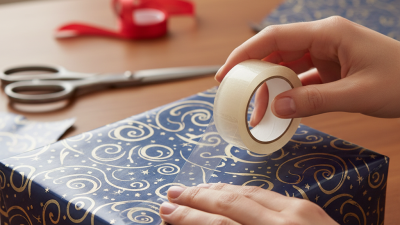
Another clever use is in gift wrapping. Insulation tape can add a pop of color to plain wrapping paper. Wrap it around boxes for added flair. It’s a simple way to personalize your gifts. However, be careful with the tape's sticky residue. Some papers may get damaged when the tape is removed. It’s all about trial and error.
You can also use insulation tape for upcycling old furniture. Cover peeling edges or damaged spots to breathe new life into your pieces. It can look rustic or modern, depending on your choice of color. Just remember, the application must be neat. Otherwise, the imperfections could result in a messy appearance. Embracing these imperfections can actually spark new ideas for creative solutions.