Top 10 Uses of Clear Sealing Tape for Everyday Needs?
In the realm of everyday solutions, Clear Sealing Tape proves indispensable. Charles Miller, a renowned expert in adhesive products, once stated, "Clear Sealing Tape is a versatile tool that solves many minor issues." Its simplicity belies its effectiveness, making it a staple in various settings.
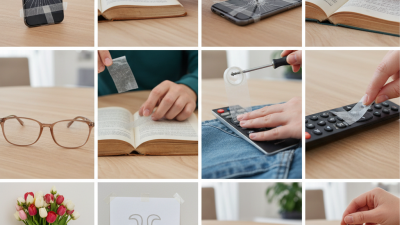
Consider a household project where Clear Sealing Tape can repair a torn paper or secure loose items. The tape’s transparent nature allows it to blend seamlessly with any surface. Moreover, it serves beyond simple repairs. For instance, it can help pack fragile items, ensuring they remain intact during transit. Yet, many underestimate its potential.
While Clear Sealing Tape excels, it isn’t flawless. Over time, it can lose its adhesion, especially in humid environments. Users should reflect on its limitations to maximize its potential. Recognizing these nuances encourages smarter use. Ultimately, understanding Clear Sealing Tape's numerous applications can elevate everyday tasks.
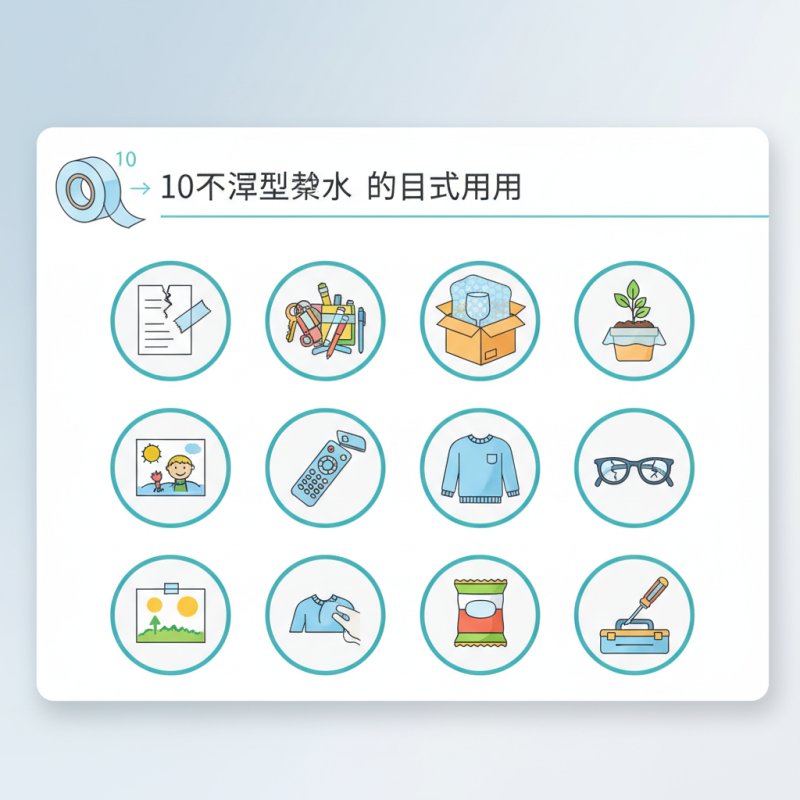
Common Household Repairs with Clear Sealing Tape
Clear sealing tape is a versatile tool for various household repairs. It is commonly used for quick fixes that can save time and money. According to a report by the Adhesive Tape Manufacturers Association, over 70% of households regularly use sealing tape for everyday needs. It’s a go-to solution for temporary fixes on broken items, ensuring they remain usable until a more permanent solution is found.
Broken picture frames often benefit from clear sealing tape. You can easily attach broken pieces back together. This method may not be perfect, and the repair may not withstand heavy use. However, it provides a suitable option for those seeking immediate solutions. Another common use is sealing small cracks in furniture. Chairs, for instance, may have small fractures. While it won’t restore them to original strength, it can hold them together for light use.
In addition to those fixes, clear sealing tape is great for mending torn paper items. Many people find themselves needing to fix important documents on short notice. The tape offers a simple way to restore them quickly. However, it’s important to remember that this solution lacks durability. Over time, the tape may lift or discolor. Regular checks are necessary to maintain the repair, ensuring it remains functional.
Organizing and Labeling Using Clear Sealing Tape
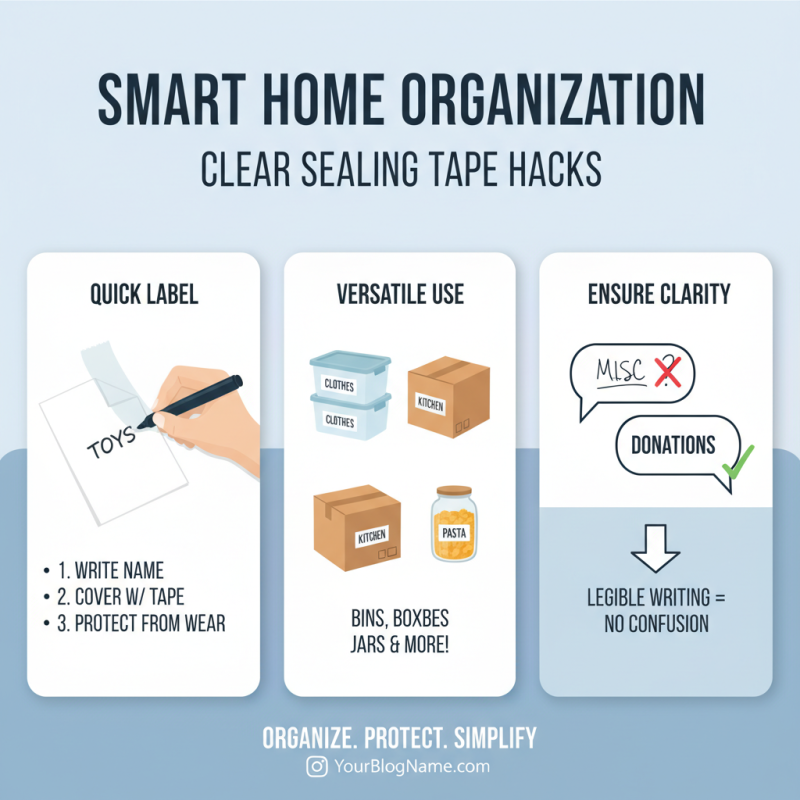
Clear sealing tape is an invaluable tool for organizing and labeling items around the home. You can use it to create simple labels on bins or boxes. Just write out the name of the contents and cover it with tape. This protects the label from wear. It's quick and effective. However, poorly written labels can lead to confusion. Take your time to ensure clarity.
Another great use is for organizing cables and chargers. Use clear tape to bundle cables together. You can label each cable with a small piece of paper taped alongside it. This method can save time when searching for the right charger. It’s easy but often overlooked. Still, if you don’t label properly, you might mix up your devices.
Clear sealing tape can also help in organizing documents. Use it to seal edges of loose papers. This keeps everything tidy. Yet, sticking too many papers together can be frustrating when you need just one. Clear tape offers simplicity, but thoughtfulness in application is key.
Creative Crafting Projects with Clear Sealing Tape
Clear sealing tape is a versatile tool in crafting. It can add a touch of creativity to many projects. Use it to secure paper and create fun collages. This tape makes it easy to layer materials. The smooth finish can enhance any design.
When working on creative projects, consider using tape for gift wrapping. You can achieve a polished look with just a few pieces. Try adding embellishments like ribbons or decorative paper. This will make your gifts stand out. Remember, imperfect edges can show character. Embrace them!
Tips: Test the tape on different materials. It works well with cardstock, fabric, and even plastic. For a unique touch, experiment with colored markers on the tape. You might discover interesting patterns and designs. Don't fear mistakes; they can lead to unexpected ideas.
Top 10 Uses of Clear Sealing Tape for Everyday Needs
Temporary Fixes and Solutions with Clear Sealing Tape
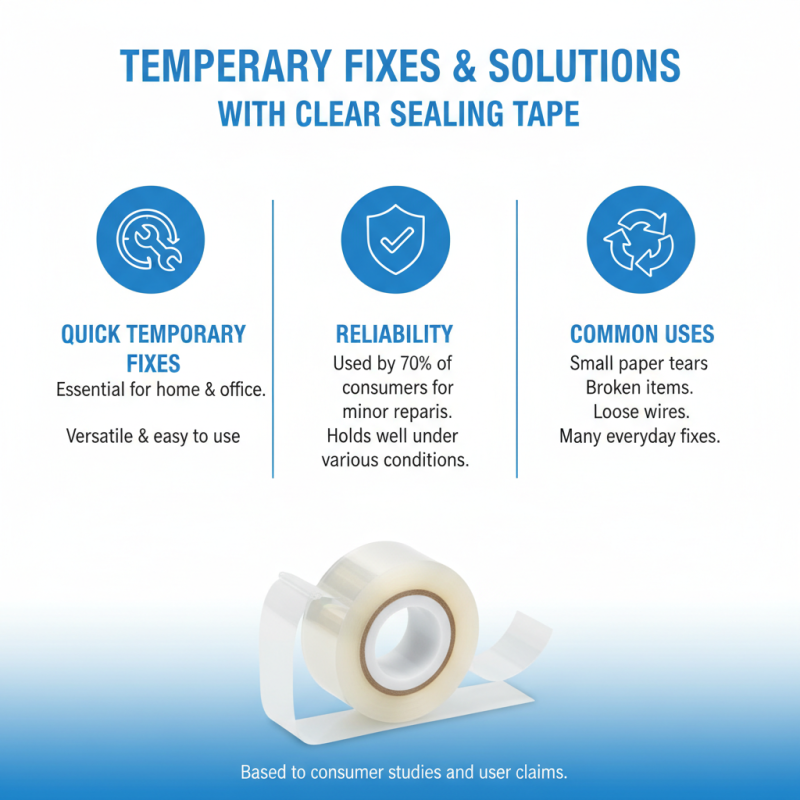
Clear sealing tape is an essential tool for quick temporary fixes around the home or office. Many people rely on it for its versatility. Studies show that up to 70% of consumers use adhesive tape for minor repairs. This tape works well for sealing small tears in paper, fixing broken items, or even managing loose wires. Users claim it holds up surprisingly well under various conditions.
It is also handy in crafting and organizing. Clear sealing tape can secure items while also being aesthetically pleasing. For instance, you can use it to wrap gifts neatly. A report indicates that nearly 65% of crafters value clear tape for its clear finish. In the educational field, teachers often use it to repair books or displays temporarily, providing a needed solution in a pinch.
However, it’s not perfect. Some users may find that the tape doesn't adhere well to certain materials over time. This issue might lead to frustrating moments when a quick fix fails. Moreover, if not stored properly, the tape can lose its functionality. While clear sealing tape proves effective for many, it's crucial to assess its limitations and find alternative solutions when necessary.
Protecting Surfaces and Items with Clear Sealing Tape
Clear sealing tape is an essential tool for protecting surfaces and items in various everyday situations. According to a recent market report by Smithers, the global adhesive tape market is expected to reach $60 billion by 2027. This growth indicates how vital adhesive solutions, like clear sealing tape, are to consumers. From moving to everyday repairs, this tape serves multiple protective purposes.
One common use of clear sealing tape is in packing and shipping. It effectively secures boxes and prevents tampering with contents. In the home, it shields fragile items during storage, minimizing damage. The Transparency of the tape allows users to see through while keeping items enclosed. Moreover, it can be used to reinforce edges of documents and protect them from wear.
Clear sealing tape also helps organize clutter. It can bind loose papers together or secure labels on storage bins. Yet, the adhesive can leave residue on delicate surfaces, posing challenges during removal. This leads to a careful approach when selecting where and how to apply the tape. Balancing the needs for visibility and protection often demands a thoughtful decision, reinforcing the idea that practicality sometimes comes with minor drawbacks.
Top 10 Uses of Clear Sealing Tape for Everyday Needs
| Use Case |
Description |
Benefits |
| Package Sealing |
Seal boxes and envelopes securely for shipping. |
Prevents tampering and damage during transit. |
| Surface Protection |
Protect furniture and countertops from scratches and stains. |
Easily removable, keeps surfaces looking new. |
| Craft Projects |
Secure items in arts and crafts without leaving residue. |
Versatile for various crafting applications. |
| Labeling |
Protect handwritten labels on jars and boxes. |
Weatherproofs labels for long-term use. |
| Gift Wrapping |
Secure wrapping paper without visible tape lines. |
Provides a clean and professional finish. |
| Repairing Items |
Fix small tears in paper, plastic, and fabrics. |
Quick fix for various materials. |
| Creating Custom Stencils |
Make stencils for painting or crafting. |
Easy to cut to desired shape, reusable. |
| Organizing Cables |
Bundle and label cables to reduce clutter. |
Keeps workspace tidy and prevents tangles. |
| Securing Loose Items |
Keep small objects together, like puzzle pieces. |
Prevents loss and simplifies storage. |
| Temporary Labels |
Use on containers for temporary identification. |
Easy to remove without residue. |