How to Use Insulation Tape for Effective Electrical Repairs
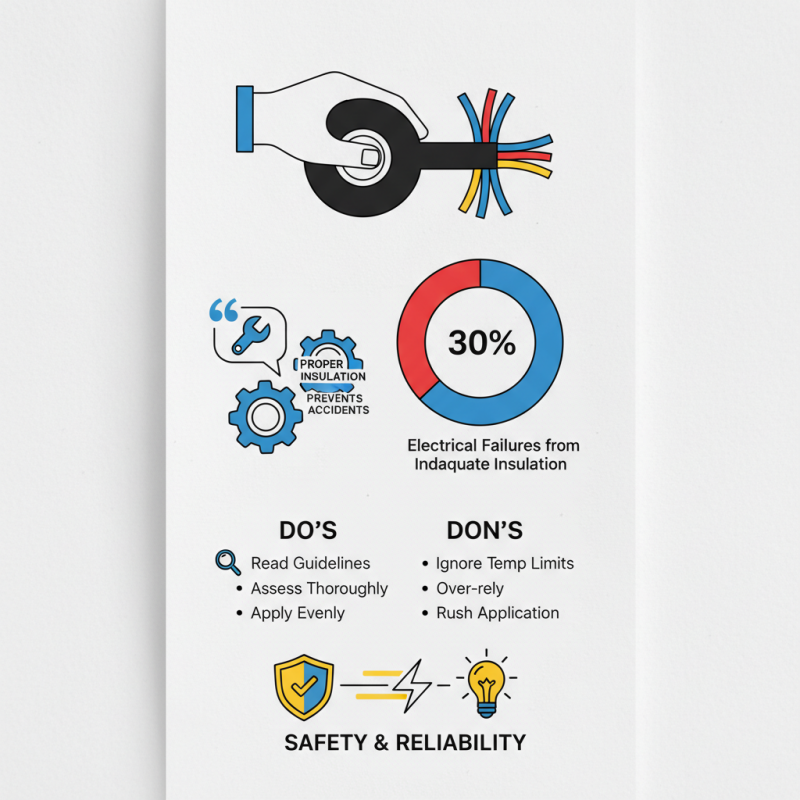
Insulation Tape is a crucial component in electrical repairs, providing safety and reliability. According to a recent industry report by the Electrical Safety Foundation, nearly 30% of electrical failures stem from inadequate insulation. This calls for keen attention to detail when utilizing Insulation Tape for repairs.
John Smith, an expert in electrical safety, stated, “Proper insulation is key to preventing accidents.” His words highlight the importance of using Insulation Tape correctly. Even seemingly minor applications can lead to significant issues if not done right.
While Insulation Tape offers durability, it is not infallible. Users should not overlook the manufacturer's guidelines, which detail temperature limitations and adhesion properties. Mistakes can occur, leading to dangerous situations. Over-reliance on Insulation Tape without thorough assessments can be a costly error. Thoughtful application can ensure safety and effectiveness in various electrical projects.
Choosing the Right Type of Insulation Tape for Electrical Repairs
Choosing the right type of insulation tape is crucial for effective electrical repairs. Not all tapes are the same. They vary in adhesive strength, thickness, and temperature resistance. Data from industry reports indicate that over 30% of electrical failures in homes stem from improper insulation techniques. Using the wrong tape can lead to overheating and, ultimately, fire hazards.
Electrical insulation tapes are typically made from materials like PVC or rubber. PVC tape is more common, as it resists moisture and is durable. However, rubber-based tapes provide superior flexibility in tight spaces. Researchers found that rubber tape can be three times more effective in preventing electrical leakage than standard PVC tape. This difference is significant, especially in high-voltage applications.
It's essential to consider tape ratings before use. Notably, many users overlook temperature ratings. Tapes may fail in extreme conditions. Some insulation tapes are rated for just 80°C. In contrast, others withstand temperatures up to 130°C. This can result in severe problems during critical repairs. Choosing the right insulation tape requires attention to detail and thoughtful evaluation of each option available. Consider all factors carefully before proceeding with electrical repairs.
Preparing the Electrical Surface Before Applying Insulation Tape
When preparing an electrical surface for insulation tape application, cleanliness is essential. Start by disconnecting power to the area. Safety is crucial in any electrical project. Once it’s safe, inspect the surface for dirt, grease, or dust. A clean surface helps the tape adhere better. You may find some stubborn grime. Don’t skip this step; it can lead to future problems.
Next, use a suitable cleaning agent. A damp cloth can remove dust effectively. For tough spots, a little rubbing alcohol works well. Ensure the area dries completely before proceeding. This simple task can make a significant difference in the longevity of your repairs. Scratched surfaces may show wear. It’s wise to document any irregularities for future reference.
After cleaning, examine the wiring closely. Look for frays or damage. You might find unexpected issues. These need attention beyond insulation tape. It’s better to fix these first. Any signs of wear should not be overlooked. A thorough inspection makes sure your repairs last longer. Taking the time now saves headaches later on.
How to Use Insulation Tape for Effective Electrical Repairs - Preparing the Electrical Surface Before Applying Insulation Tape
| Step |
Description |
Tools Needed |
Safety Precautions |
| 1 |
Turn off the power supply to the circuit. |
Multimeter |
Ensure the power is completely off before beginning. |
| 2 |
Inspect the electrical surface for damage. |
Flashlight |
Wear gloves to protect your hands. |
| 3 |
Clean the surface to remove debris and moisture. |
Cloth, Isopropyl Alcohol |
Ensure the area is dry before proceeding. |
| 4 |
Apply insulation tape around the damaged area, overlapping the edges. |
Insulation Tape |
Avoid stretching the tape; apply it snugly. |
| 5 |
Test the repair by turning the power back on. |
Multimeter |
Monitor for any signs of smoke or smell. |
Step-by-Step Guide to Applying Insulation Tape Correctly
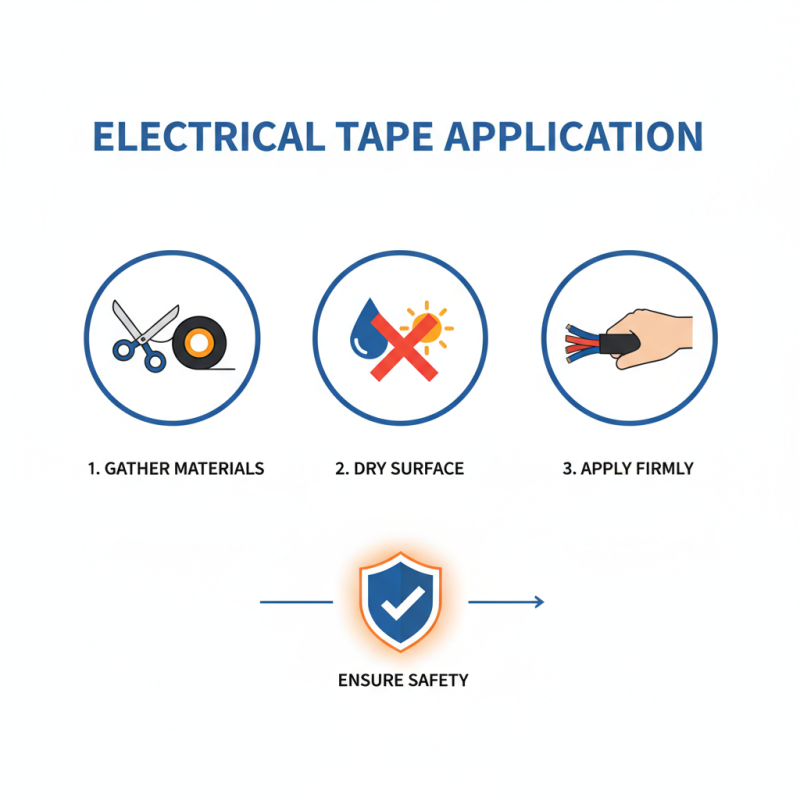
Using insulation tape is a practical skill for electrical repairs. Properly applying it ensures safety. Start by gathering your materials: scissors, a clean surface, and of course, the tape itself. Make sure the area is dry. If it’s damp, wait for it to dry before starting.
Begin by cleaning the wires. Dust or grime can prevent the tape from sticking well. Cut a piece of tape that’s long enough to cover the exposed area. It should wrap around the wire securely. Press down firmly. Ensure there are no gaps. Smooth it out as you go to avoid wrinkles. If you find yourself with a loose edge, don't hesitate to redo it.
Take a moment to inspect your work. Is it secure? If there are any doubts, apply another layer. Protecting electrical connections is crucial. Don’t rush—taking your time can prevent future issues. Check your work against safety standards. Reflect on what went well and what needs improvement next time. Each repair is a chance to learn.
Tips for Ensuring Long-Lasting Electrical Repairs with Insulation Tape
When tackling electrical repairs, using insulation tape effectively is crucial. First, choose a tape that is thick and durable. A thin tape may not provide adequate protection. Before applying, ensure that the wires are clean and dry. Dust or moisture can compromise the tape’s adhesion. If possible, twist the wires before taping for a secure fit.
After wrapping the wire, press the tape firmly. This ensures the tape adheres well, minimizing the risk of moisture getting in. It’s also important to overlap the tape, covering at least half of the previous layer. Check for any gaps, as these can lead to potential issues later.
Remember, it’s okay to make mistakes. If the tape peels off after a few days, reflect on the application process. Perhaps it wasn’t pressed firmly enough, or the surface was not suitable. Learning from these experiences can help improve future repairs. Each job is a chance to become more adept.
Safety Precautions When Using Insulation Tape on Electrical Projects
When working with insulation tape, safety is crucial. Always disconnect power before starting any electrical repairs. This step protects you from shocks. If possible, wear rubber gloves. They add an extra layer of safety. Keep your work area dry and well-lit. Wet environments can lead to serious accidents.
Check the tape for damage before use. A torn or sticky tape won't offer adequate insulation. Also, avoid using it on high-voltage applications. It’s not suitable for every situation. Understand the limitations of the tape you have. In high-temperature areas, it may not hold up well.
Proper application is key. Make sure to wrap the tape around the wires securely. Overlap layers to enhance protection. Don't rush through this process. Take time to double-check your work. Mistakes can lead to unsafe conditions. It's better to fix something now than regret it later.