How to Use Kraft Tape for Perfect Sealing Techniques?
Kraft Tape is a versatile tool when it comes to sealing. It offers strength and reliability for various projects. However, many people may struggle with proper techniques. Knowing how to use Kraft Tape effectively can make all the difference in your results.
When sealing boxes, small mistakes can lead to weak seals. Applying Kraft Tape too loosely can allow dust and moisture to enter. On the other hand, using too much tape wastes material and may look unprofessional. Finding that balance requires practice and attention.
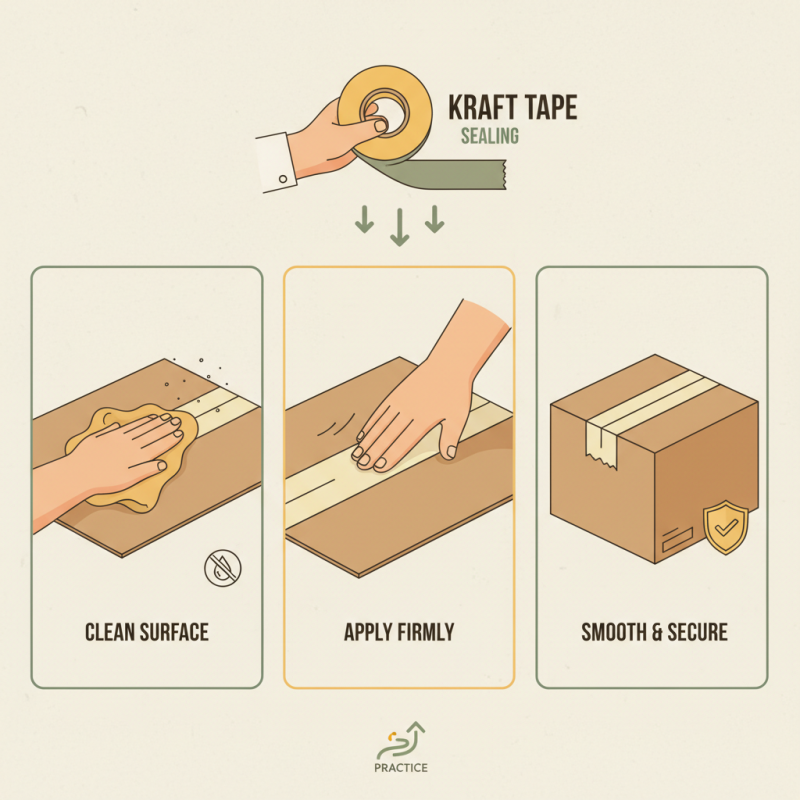
Achieving perfect sealing with Kraft Tape involves technique and experience. Ensure surfaces are clean and dry before application. Press down firmly for a strong bond. Small imperfections in your technique can result in bigger issues later. Embracing these challenges can lead to improvement. It's a journey worth taking for anyone seeking flawless sealing solutions.
Understanding Kraft Tape: Composition and Benefits
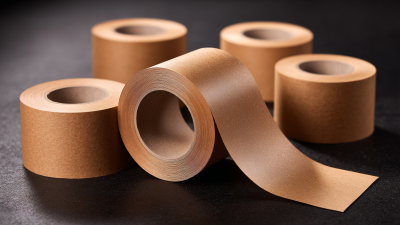
Kraft tape is made from natural kraft paper, known for its strong tensile strength. This composition makes it ideal for both packaging and sealing. According to industry reports, Kraft tape has seen a significant rise in popularity. Nearly 70% of businesses now prefer this tape for various applications. It is often chosen for its eco-friendly characteristics, as it can be recycled.
The benefits of Kraft tape extend beyond its strength. It also features good adhesion to various surfaces. This adaptability can improve overall packing efficiency. However, not all Kraft tapes are created equal. Some may lack the necessary adhesive quality, requiring multiple applications to achieve a secure seal. This inconsistency can lead to potential issues during shipping, risking damage to products.
End-users often cite how Kraft tape’s performance varies based on environmental factors. It can be affected by humidity and temperature, which may alter its effectiveness. Industry feedback indicates that testing different tape types is crucial. Users should consider the specific needs of their packing processes. Ultimately, finding the perfect Kraft tape involves trial and error.
Choosing the Right Kraft Tape for Your Sealing Needs
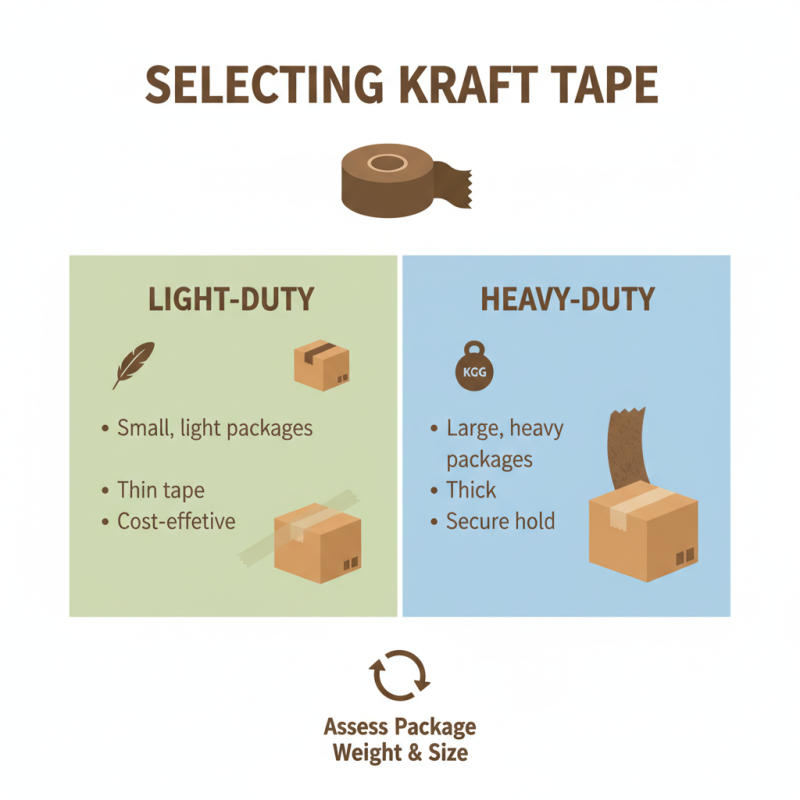
When selecting the right kraft tape for sealing, consider your specific needs. There’s a variety of options available. Some tapes are better for light-duty tasks, while others are designed for heavy-duty use. It's crucial to assess the weight and size of the packages you’re sealing. Lightweight boxes can often be sealed with a thinner tape, which saves money. In contrast, thicker tapes can handle larger, heavier items.
Texture matters, too. Smooth surfaces require a different tape than rough or uneven ones. Check the adhesive type as well. Some kraft tapes use natural rubber adhesives, while others may use synthetic materials. Each has its pros and cons. You might find that the adhesive doesn’t stick as well if the surface is dusty or oily. Experiment a bit with different tapes to see which performs best.
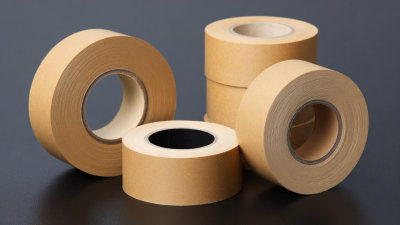
Don’t forget about width and length. The right dimensions depend on your sealing technique and package size. You might run into problems if the tape is too narrow, leading to gaps. On the other hand, wider tapes can waste material if you're not careful. Track your sealing efficiency and note any inconsistencies. Reflecting on your experience could save you time and effort in the future.
Preparation Steps for Effective Sealing with Kraft Tape
Preparation is key when using Kraft tape for sealing. Start by ensuring the surfaces are clean and dry. Any dust, grease, or moisture can compromise the bond strength of the tape. According to industry studies, a clean surface improves adhesion by up to 50%. Dirt and contaminants weaken the tape’s performance, leading to potential sealing failures.
Next, measure the length of tape you’ll need carefully. Too little tape can lead to gaps, while excess tape may not adhere properly. As per expert insights, using an adequate length that overlaps by at least 1 inch can greatly enhance the seal’s reliability. Test the tape on a small area before full application to check adhesion and remove air bubbles. Air pockets can create weak spots.
Consider the temperature and humidity levels during application as well. Kraft tape performs best in a moderate environment. If it's too cold or too humid, adhesion might not reach its full potential. Data shows that working in optimal conditions can boost effectiveness by around 30%. Revisiting the sealing process and adjusting for these factors can make a significant difference in performance and longevity.
Techniques for Applying Kraft Tape for Optimal Results
When it comes to applying kraft tape, technique is key. Properly sealing packages and surfaces can prevent damage and safeguard contents. Statistics show that poorly sealed packages can lead to a 30% increase in shipping-related damages. Applying kraft tape with precision can greatly reduce this risk.
To start, ensure the surface is clean and dry. Dust or moisture can compromise adhesion. Many experts recommend using a tape dispenser for consistent pressure. This can help achieve a smooth application, avoiding bubbles or wrinkles. A report from the Packaging Association indicates that even minor air pockets can weaken seals by up to 25%.
For optimal results, aim to overlap the tape edges by at least half an inch. This enhances the strength of the seal. Some have reported that neglecting this detail caused their packages to be compromised during transit. It’s important to reflect on your sealing methods. If your tape application is inconsistent, it can lead to inefficiency and potential losses. Consistency in technique improves overall performance, which is crucial in a competitive market.
Common Mistakes to Avoid When Using Kraft Tape
Kraft tape is a popular choice for sealing. However, many users encounter common mistakes that can lead to ineffective sealing. One major error is not preparing the surface properly. According to a recent industry report, over 30% of users neglect to clean the surfaces before application. Dirt and dust can prevent the tape from adhering effectively.
Another frequent mistake is applying too much or too little tape. A precise amount is crucial for optimal sealing. Research shows that using the right width of tape enhances the performance by at least 25%. However, users often overestimate or underestimate how much tape to apply, leading to weak seals.
Additionally, improper storage of Kraft tape can affect its performance. Exposure to humidity and temperature changes can lead to degradation. Ideally, tape should be kept in a cool, dry place. Many don’t realize that this can impact adhesion, resulting in a subpar sealing experience. Sound sealing techniques require attention to these details. It's essential to reflect on these aspects to improve overall effectiveness.