How to Use Silver Duct Tape for Creative Repairs and DIY Projects?
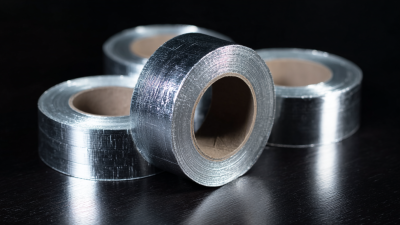
Silver Duct Tape is a versatile tool in both repairs and DIY projects. It is renowned for its strong adhesive properties and flexibility. According to a report by the Adhesive Tape Manufacturers Association, the global duct tape market is projected to reach $1.5 billion by 2025. This growth reflects its importance in households and industries alike.
Expert Bob Anderson, a leading figure in the adhesive tape industry, notes, “Silver Duct Tape can fix almost anything if used creatively.” This speaks to its adaptability. Besides typical uses, it can be in craft projects, home repairs, and even automotive fixes. Creative applications can add a touch of personality to mundane tasks. However, not all projects boast long-lasting results. Improper use can lead to disappointment and frustration.
The beauty of Silver Duct Tape is in its imperfections. It can serve as a quick fix or a temporary solution, reminding us that not everything needs to be perfect. Even industry experts acknowledge that sometimes, a creative repair can be just what is needed to tackle unforeseen circumstances.
Understanding the Basics of Silver Duct Tape: Properties and Uses
Silver duct tape is more than just a simple repair tool. Its unique properties make it a favorite for many DIY enthusiasts. The tape consists of a strong adhesive layer, which ensures a lasting bond. Its flexible and durable surface can conform to various materials, making it suitable for different applications.
Using silver duct tape in repair projects showcases its versatility. From mending broken furniture to securing loose electrical wires, its applications are vast. However, the initial stickiness can sometimes lead to sticky residue after removal. This can be frustrating, especially when trying to keep surfaces clean. Understanding the material's strength can help you decide on the best scenarios for use.
While it's easy to rely on duct tape for quick fixes, it's important to reflect on the longevity of such repairs. Some projects may require more permanent solutions. Over time, the tape may lose its adhesive quality in extreme temperatures. Always consider this when planning your projects. Testing a small area first can guide you to better results.
Creative Uses of Silver Duct Tape in DIY Projects
Essential Tools and Materials for Effective Duct Tape Repairs
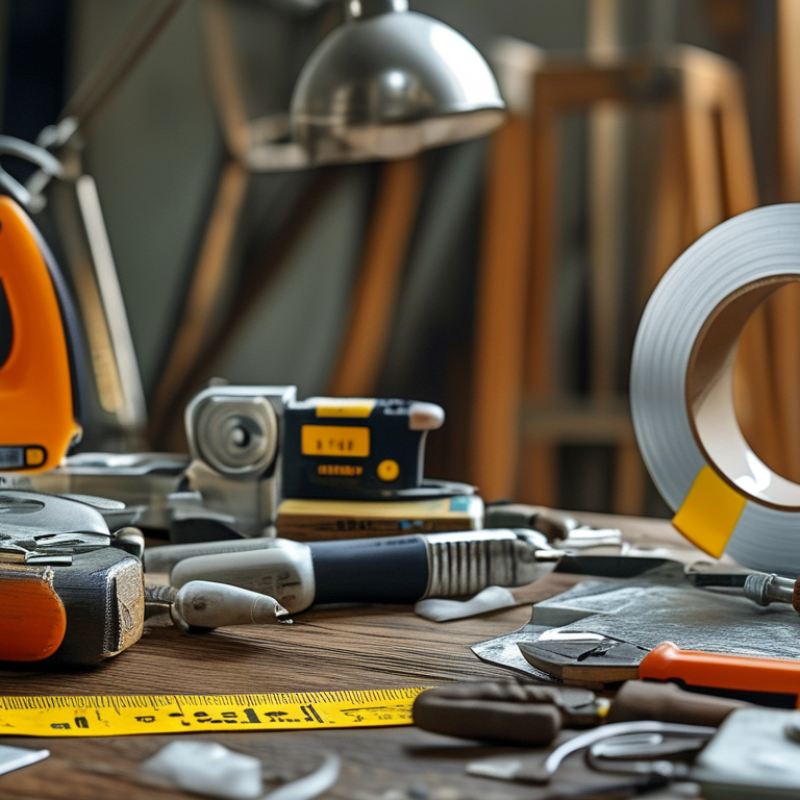
When it comes to duct tape repairs, having the right tools and materials is crucial for effectiveness. Studies indicate that over 60% of DIY enthusiasts believe that using quality tools enhances their project outcomes. Essential tools include sharp scissors for clean cuts, a utility knife for precision, and a ruler for measurements. These basics ensure accuracy, which is often overlooked in DIY projects.
Additionally, selecting the right surface for application is vital. Smooth surfaces yield better adhesion. A recent survey reported that projects on rough surfaces faced a failure rate of 40%. Therefore, preparing the area by cleaning off dirt and debris can drastically improve the tape's functionality. It’s common to underestimate the importance of surface preparation, leading to frustrating outcomes.
Materials should also include complementary items like fabric or plastic patches. These can enhance the durability of your repairs. Professional recommendations suggest pairing duct tape with other adhesives for long-lasting fixes. However, many DIYers forget this step. Ignoring such advice could result in temporary solutions rather than permanent fixes. Balancing creativity with practicality is key for successful projects.
Step-by-Step Guide to Making Creative Repairs with Duct Tape
Duct tape is a handy tool for various repairs and DIY projects. Its versatility often surprises people. You can fix furniture, create art, or even make temporary home improvements. The silver color adds a sleek touch, making it suitable for visible repairs.
For furniture repairs, begin by assessing the damage. Is a chair leg loose? Apply duct tape around the joint securely. Remember, this is a temporary fix. It may not look perfect, but it helps until you can make a proper repair. For art projects, consider creating unique designs by layering different colors of tape. This simple technique can enhance your creativity.
While duct tape is effective, it’s essential to reflect on its limitations. It may not hold under heavy stress for long periods. Consider how much weight your repair will endure. Additionally, the tape may leave residue after removal. This is worth noting before applying it to certain surfaces. Using duct tape shouldn’t replace more permanent solutions, but it’s a great starting point. Flexibility and creativity are vital here, allowing for inventive approaches to everyday problems.
Innovative DIY Projects You Can Create Using Silver Duct Tape
Silver duct tape is a versatile tool for DIY enthusiasts. Its durability and flexibility make it ideal for various creative projects. You can craft a stylish wallet or repair a favorite chair. The possibilities are endless. Consider making a picture frame adorned with colorful duct tape accents. It adds personality and charm to your home.
Tips: When using duct tape, clean the surface properly. This ensures better adhesion. Try layering different colors for a unique design. Experimentation is key; not every project will turn out perfectly, but that's part of the fun. Keep a roll handy for quick fixes, like repairing a torn backpack or patching a leaky pipe.
Additionally, you could create a custom phone stand. Fold the duct tape into a sturdy base and prop your device at the perfect angle. This project is simple yet functional. Just remember, practice may lead to some messy results, but with each attempt, you'll improve your technique. Don't shy away from trying out new ideas, even if they don’t always work out as planned.
Tips and Tricks for Maximizing the Life and Effectiveness of Duct Tape
When it comes to maximizing the life and effectiveness of silver duct tape, several strategies can enhance its longevity and utility. A report from the Adhesive Tape Manufacturers Association indicates that proper surface preparation can increase adhesion by up to 50%. Clean surfaces free from dust or grease allow the tape to bond more effectively. This is crucial for any project, whether you’re repairing a leaky pipe or creating a temporary fix for a broken item.
Moreover, temperature plays a significant role in duct tape performance. According to industry data, tape applied in temperatures below 50°F reduces adhesion significantly. So, it’s crucial to store the tape in a stable environment. Using a hairdryer can also warm up the tape briefly before application, enhancing adhesion. However, over-reliance on heat can lead to an uneven stick.
One common oversight is using the tape in damp conditions. Moisture can weaken the adhesive properties, making repairs fail sooner. While duct tape is versatile, recognizing its limits is vital. Balancing creativity and caution can yield impressive results in DIY projects while maintaining durability.