2026 Best Clear Tape for Global Buyers to Consider?
When it comes to choosing the best clear tape in 2026, global buyers face numerous options. The market is overflowing with products that vary in quality, transparency, and adhesion strength. Clear tape is a vital tool in everyday tasks, from packaging to crafting and repairs. Selecting the right type can be overwhelming, especially with so many brands claiming to be the best.
It's crucial for buyers to consider the unique features of clear tape. Factors such as durability, ease of use, and price play significant roles in the decision-making process. While some tapes offer superior flexibility, others provide better sticking power. Unfortunately, not every brand lives up to its promises. Some products may falter under pressure or leave residue behind, leading to frustration.
As consumers navigate this crowded market, understanding these aspects will help in making informed choices. Clear tape should be reliable, serving its purpose without hassle. Evaluating user experiences and expert reviews can shed light on the best options available. In this constantly evolving landscape, reliable clear tape remains a necessity that demands thoughtful consideration.
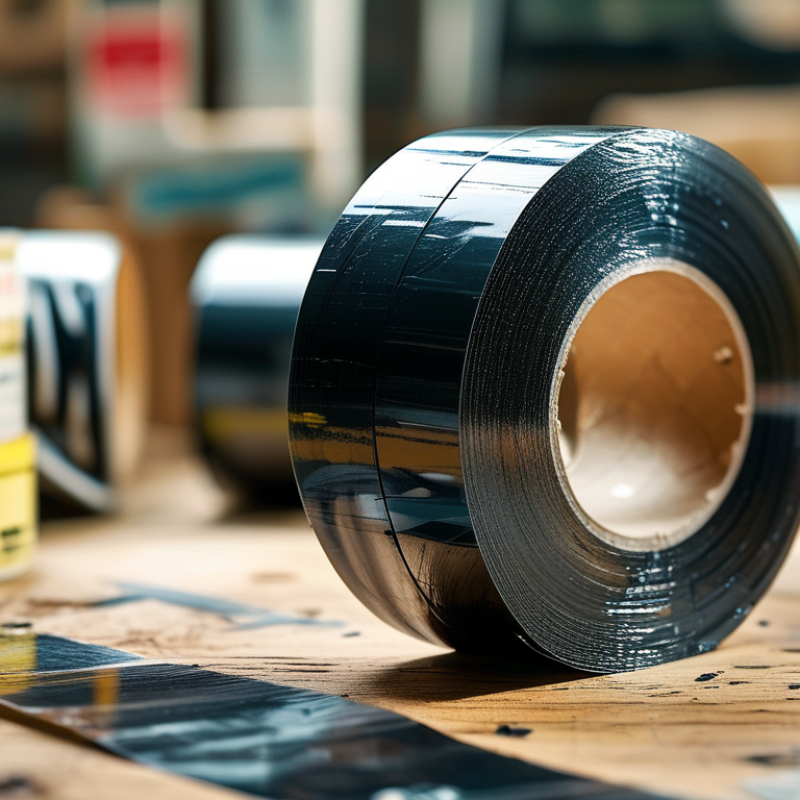
Overview of Clear Tape Types Available in 2026
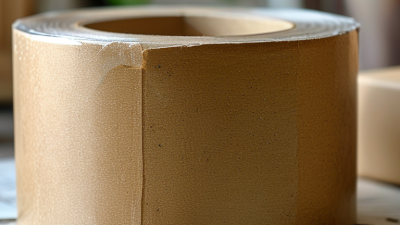
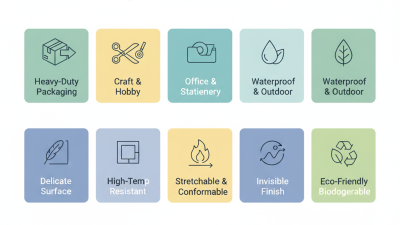
In 2026, various types of clear tape will dominate the market, each designed for specific applications. Standard clear tape remains a staple for everyday uses. It is ideal for wrapping gifts, sealing packages, or repairing torn documents. However, its strength may not satisfy all needs, especially for heavy-duty tasks.
For those requiring stronger adhesion, heavy-duty clear tape is a game-changer. It offers superior strength and durability. It is perfect for both industrial purposes and home projects. Another emerging type is eco-friendly clear tape. This option appeals to environmentally conscious consumers. Its materials are biodegradable, making it a thoughtful choice for sustainable packaging.
While the diversity of clear tape options enhances user experience, it can bewilder buyers. Consumers must weigh factors such as strength, application, and environmental impact. Evaluating these details can be overwhelming. Some tapes may not perform well in extreme temperatures. Others might leave residue on surfaces. These concerns highlight the importance of thorough research before purchasing clear tape in 2026.
Key Features to Look for in Clear Tape for Global Buyers
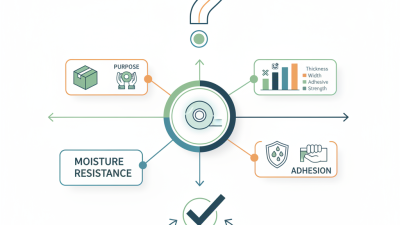
When selecting clear tape, it’s vital to consider various key features that can have a significant impact on its usability. First, the adhesive quality should be strong enough to secure objects without easy peeling. A reliable bond is essential for packaging and repairs. Check for tapes that offer a high level of clarity. This ensures that the contents remain visible, particularly in professional settings. Transparency is vital in presentations, where appearance matters.
Temperature resistance is another important feature. Some tapes perform poorly in extreme heat or cold. This can lead to adhesive failure. Moreover, consider the durability against aging. Over time, some tapes lose their stickiness or clarity. Quality tape should maintain its properties even after prolonged use.
Finally, ease of application matters. Tapes that unwind smoothly, without tearing or wrinkling, not only save time but also prevent frustration during use. Buyers often overlook these aspects. However, considering them ensures a better experience in the long run. While there are numerous options available, evaluating these features can make a noticeable difference in performance and satisfaction.
Top Brands of Clear Tape Recommended for 2026
As the demand for clear tape continues to grow, selecting the best options for various applications has become critical. Industry analysts project that the global adhesive tape market will reach approximately $63 billion by 2026, with clear tape accounting for a significant portion of this growth. Companies are now seeking tapes that offer superior clarity, durability, and adhesion properties.
Leading brands in this category are focusing on sustainability and eco-friendly materials. According to a recent market survey, around 45% of buyers prioritize environmentally-friendly products. This trend indicates a shift toward using clear tapes made from recycled materials. However, not all manufacturers keep their promises about sustainability. Some may still rely on traditional materials, drawing concern from consumers about credibility.
In terms of performance, clear tape must exhibit strength and moisture resistance. Data from adhesive testing experts show that the best tapes maintain high adhesion in various conditions. Yet, some consumers report issues with adhesive residue after removal, highlighting the need for more transparent labeling of product capabilities. Buyers are encouraged to investigate multiple options thoroughly before committing to a purchase. This approach ensures they select a tape that aligns with their needs, both for immediate results and potential long-term implications.
Comparative Analysis of Clear Tape Pricing in Different Markets
Choosing the best clear tape can be a challenge for global buyers. A comparative analysis reveals significant pricing variations across different markets. Understanding these differences is crucial for making informed purchasing decisions. Various factors influence tape prices, including production costs, local demand, and distribution expenses.
In the United States, clear tape tends to be moderately priced and readily available. In contrast, buyers in Europe might encounter higher prices due to import tariffs and different market dynamics. In Asia, however, local production can lead to lower costs, appealing to budget-conscious consumers. This disparity highlights the importance of considering regional pricing when sourcing tape for various needs.
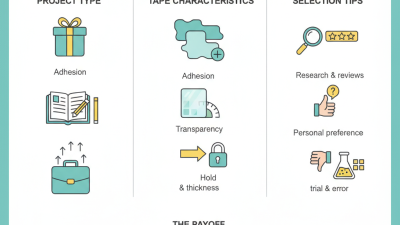
Tips: Pay attention to local suppliers. They often provide better prices and quicker shipping options. Always check current exchange rates, as this can impact overall costs. Reflect on your intended use of the tape—durability and adhesion may vary widely. Not all tapes are created equal, and misjudging this can lead to wasted resources. Always test a sample before bulk buying to ensure quality.
Sustainable Options in Clear Tape Production and Usage
Sustainable options in clear tape production are gaining traction as consumers demand more eco-friendly products. Manufacturers are now exploring alternatives to traditional plastics. Biodegradable materials, like plant-based polymers, emerge as promising candidates. These materials break down naturally, reducing landfill waste. However, achieving the same level of adhesive strength has been challenging for manufacturers. Striking a balance between performance and sustainability is essential.
The production of clear tape also faces environmental scrutiny. Energy-intensive processes often lead to a significant carbon footprint. Transitioning to renewable energy sources in manufacturing could mitigate this issue. Some companies are experimenting with recycled raw materials. But the quality and consistency of recycled components can vary greatly. This variability can lead to consumer skepticism and reluctance to fully embrace sustainable options.
Consumers play a crucial role in this transition. Educating themselves about the materials used is vital. By choosing products that highlight sustainable practices, shoppers can influence the market. Yet, misinformation about what is truly eco-friendly persists. The journey towards a greener clear tape is not without obstacles, but awareness and demand for better options drive innovation in this space.