2026 Best Painting Masking Tape for Quality Projects Worldwide?
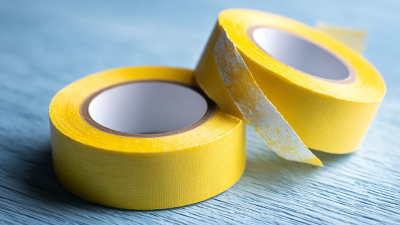
When embarking on a quality painting project, the choice of tools can make a significant difference. Among these, Painting Masking Tape stands out as an essential item. Expert painter and author John Smith emphasizes, “The right tape can transform your work, creating clean lines and finishing touches.” This highlights the importance of choosing the best masking tape.
In 2026, several products have been recognized for their superior quality and reliability. Painters worldwide depend on these tapes to achieve professional results. Yet, not every tape on the market holds the same promise. Many users still report frustrations with adhesion and bleed-through. This reality reminds us to question our choices carefully.
Finding the best Painting Masking Tape involves more than just a brand name. It requires an understanding of the project's specific needs. Each painter has unique challenges, and the wrong tape can lead to disappointing outcomes. As we explore the best options available, it’s crucial to reflect on what features truly matter for your next endeavor.
Understanding Painting Masking Tape: Types and Uses
Painting masking tape is essential for many projects. It helps achieve crisp, clean lines when painting. Understanding different types can elevate your work quality.
There are several kinds of masking tape. Each serves a unique purpose. Low tack tape is ideal for delicate surfaces. It removes easily without peeling paint. Clean-release tape adheres well but comes off easily. This is great for walls or furniture.
Some tapes may not perform perfectly. Issues can arise with bleed-through or adhesion. It's crucial to test on a small area first. Observing how the tape reacts can save time and frustration.
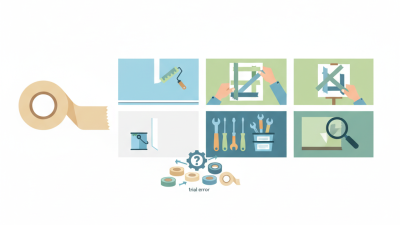
Choosing the right tape requires some trial and error. Reflecting on past projects helps to make better choices next time.
Key Features to Look for in Quality Masking Tape
When selecting quality painting masking tape, several key features should be at the forefront. Adhesion quality is critical. According to industry reports, masking tapes with high initial tack provide better protection against paint bleed. This feature is particularly valuable for achieving crisp lines, crucial in professional applications. A great tape should stick well to various surfaces, from textured walls to glass.
Another essential aspect to consider is the tape's durability. Quality masking tape should withstand the elements without tearing or peeling. Some reports indicate that tapes rated for outdoor use maintain integrity longer than their counterparts. Moreover, UV resistance is another factor that enhances longevity. Tapes that degrade quickly under sunlight can lead to costly touch-ups.
Moreover, the ease of removal plays a vital role. A good tape comes off cleanly, without leaving residue. Reports suggest that 25% of contractors experience issues with residue, leading to extra work and wasted time. The right masking tape enhances project efficiency. However, even the best tape can fail if applied incorrectly or stored improperly. Thus, an understanding of proper usage and storage techniques is as important as the product itself.
Top Brands of Painting Masking Tape for Global Projects
When embarking on global painting projects, choosing the right masking tape is crucial. Quality masking tape ensures sharp paint lines and easy removal, which is vital for a professional finish. Not all masking tapes are made equal, and various brands offer distinct advantages. Understanding these features can make a significant difference in your final results.
Several brands stand out due to their reputation in the industry. They focus on durability, adhesion strength, and ease of use. For example, some tapes are specifically designed to prevent paint bleed, while others excel in temperature resistance. Users often report varying experiences, highlighting the need for personal testing. Each project may demand different properties from the tape used, leading to a thoughtful selection process.
However, even the best brands may not meet every expectation. Factors like surface texture and paint type can influence performance. Users must consider these variables when selecting masking tape. Researching reviews and user feedback can provide insight into real-world applications. Ultimately, it's about finding a balance between quality and practicality in your specific context.
Comparative Analysis of Masking Tape Performance
When it comes to painting projects, the choice of masking tape can significantly influence the final result. A comprehensive comparative analysis of various masking tape options reveals a range of performances. Ultimately, the effectiveness of masking tape depends on adhesive quality, ease of application, and clean removal after use.
Many users prioritize tapes that offer sharp paint lines. Some tapes excel in adhering to textured surfaces while others struggle to maintain their integrity under pressure. Issues can arise with certain products—such as residue left behind or paint bleed, which can mar even the most careful painting efforts. Individuals should be aware that not all masking tapes are created equal. Assessing user experiences can reveal patterns that help in selecting the right tape for specific tasks.
Reflecting on practical applications, it is essential to test different types under various conditions. Some users report frustration with tapes that fail to stick or peel away cleanly. This inconsistency can lead to wasted time and materials. While many articles emphasize quality, personal feedback often highlights the importance of trial and error in achieving the best results. The journey toward finding the perfect masking tape for a project may require experimentation and patience.
Tips for Using Masking Tape Effectively in Painting Projects
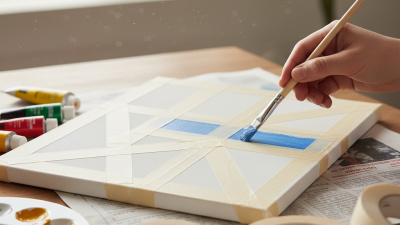
Using masking tape effectively can greatly enhance the quality of painting projects. One crucial tip is to clean the surface before applying the tape. Dust and grease can prevent the tape from adhering properly. This step seems simple, but it often gets overlooked. Cleaning ensures crisp edges and prevents paint bleed.
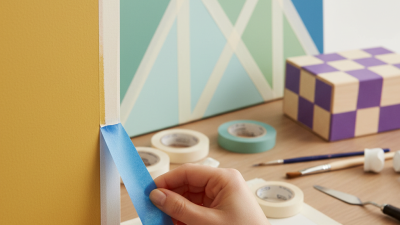
Another common mistake is not pressing down the tape edges firmly. Gaps can allow paint to seep underneath, ruining the look. Use a flat tool, like a plastic scraper, to seal the edges. Inspecting the tape after application is wise. Look for any bubbles or lifted areas that could compromise your work.
Timing is also key. Remove the tape while the paint is still wet. This helps avoid peeling or tearing the paint finish. However, if the paint dries too much, you risk damaging it. Consider testing on scrap material before tackling the main project. It’s in these small details that your painting project can truly shine or falter. Keep practicing your technique to improve over time. Learning from each experience is essential.
2026 Best Painting Masking Tape for Quality Projects Worldwide
| Type of Masking Tape |
Adhesion Strength |
Width Options |
Best For |
Surface Compatibility |
| Painter's Tape |
Medium |
0.94", 1.41", 2" |
Interior wall painting |
Drywall, wood, metal |
| Utility Masking Tape |
Low |
0.5", 1", 2" |
General purpose |
Paper, cardboard |
| Delicate Surface Tape |
Low |
0.94", 1.41" |
Fine finishing |
Wallpaper, fresh paint |
| High Heat Masking Tape |
High |
0.5", 1", 1.5" |
Auto painting |
Metal, glass |
| Automotive Masking Tape |
Medium to High |
1", 1.88" |
Detailed car projects |
Plastic, rubber |