Best Small Tape for Packaging and Crafting Solutions?
When it comes to packaging and crafting, the choice of tape can significantly influence your results. "Small Tape" has emerged as a versatile tool for various applications. Its compact design allows for easy handling and precise placement, making it ideal for both intricate craft projects and basic packaging tasks.
Choosing the right small tape involves understanding its material and adhesion properties. You might find that some tapes are better suited for lightweight items, while others offer stronger bonds for heavier packages. As you explore options, consider the specific needs of your projects. Sometimes, the tape that works best may not be immediately obvious.
It's essential to evaluate your choices critically. A small roll of tape may seem trivial, but its performance can impact your work. Investing time to find the best "Small Tape" can enhance both your crafting and packaging results. Keep in mind that not all tapes are created equal. What works for one project may fall short in another, leading to disappointing results.
Types of Small Tape Suitable for Packaging and Crafting
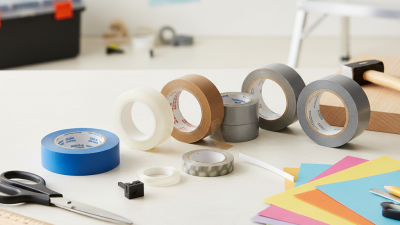
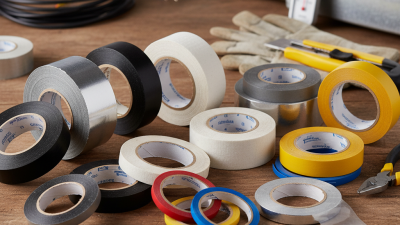
When choosing small tape for packaging and crafting, understanding the types available is essential. Many people don’t realize that not all tapes serve the same purpose. For instance, some tapes are designed for lightweight packaging, while others excel in arts and crafts. Transparent tape is popular for basic tasks. It adheres well to paper and is easy to find. However, it may struggle to hold heavier items securely.
Masking tape offers versatility. It is easy to tear and reposition. This makes it ideal for crafting projects, especially when precision is needed. However, masking tape may not provide the strength required for heavy-duty packaging tasks. Many crafters find painter's tape useful, too. It creates clean lines and is removable. Its adhesive strength might weaken in humid conditions, leading to flaws in projects.
Ultimately, the best choice depends on your specific needs. Assess the items you are working with. Consider the weight, surface type, and duration of use. It’s a balancing act between convenience and functionality. Testing different types can lead to surprises. Sometimes, what seems perfect may reveal limitations upon use. Understanding these options helps in making informed decisions.
Benefits of Using Small Tape in Packaging and Craft Projects
Small tape is an essential tool for both packaging and crafting. Its versatility makes it ideal for various projects, whether you’re wrapping gifts or creating crafts. The benefits of using small tape include precision and ease of use. It allows for neat finishes and strong bonds. The compact size makes it easy to store and carry around. Craft enthusiasts appreciate the control small tape offers during delicate tasks.
Adhesion is crucial for any project. Choose a tape with strong hold for packaging items securely. For craft projects, consider tape that offers repositioning. This way, adjustments are easy without damaging the surface.
One common mistake is using too much tape. This can create bulk. Use just enough for the task at hand. Practice will help improve your technique. Not every project will go perfectly, and that’s okay. Embrace the learning process, and find new methods along the way. Small tape opens up a world of creative possibilities, allowing for experimentation.
Key Features to Consider When Choosing Small Tape
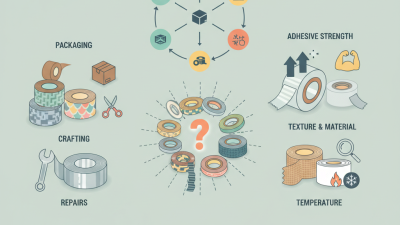
When selecting the best small tape for packaging and crafting, several key features demand attention. Understanding adhesive strength is critical. Reports indicate that 70% of tape failure occurs due to inadequate adhesion. Look for tapes with a balance of stickiness and flexibility, especially if your projects require intricate work. A tape that adheres well yet allows for repositioning can save time and minimize waste.
The width of the tape is another crucial factor. According to industry data, 40% of users prefer tapes wider than 1 inch for larger packages, while smaller projects often benefit from narrower options. Choosing the right width can enhance precision, particularly in crafting scenarios where detail matters. Users frequently overlook the importance of transparency; clear tape is often favored for maintaining the aesthetics of your project.
When using tape for crafts, ensure it withstands environmental factors. Some tapes may degrade under heat or humidity. Always test a sample before starting a project. Applying consistent pressure while taping can help secure a strong bond. Additionally, be aware that tape can become less effective over time, especially if stored improperly. Proper storage conditions can extend its usability.
Best Small Tape for Packaging and Crafting Solutions
This chart displays the key features and usage ratings of different types of small tapes used in packaging and crafting. The data reflects the versatility, adhesive strength, and durability ratings for various small tape options.
Popular Brands of Small Tape for Crafting and Packaging Solutions
When it comes to crafting and packaging, finding the right small tape can make all the difference. Many people explore various options, but a few brands consistently stand out. They are known for quality and versatility, meeting the needs of crafters and professionals alike. These small tapes are often used in scrapbooking, gift wrapping, and even light repairs.
One popular choice is a transparent tape. It's easy to use and sticks well to paper surfaces. Crafters love it for its invisibility, making it perfect for delicate projects. Another common option is double-sided tape, which allows for clean finishes without visible glue marks. However, not all double-sided tapes provide a strong bond. Users sometimes find that they need to experiment with different types to find the best fit for their projects.
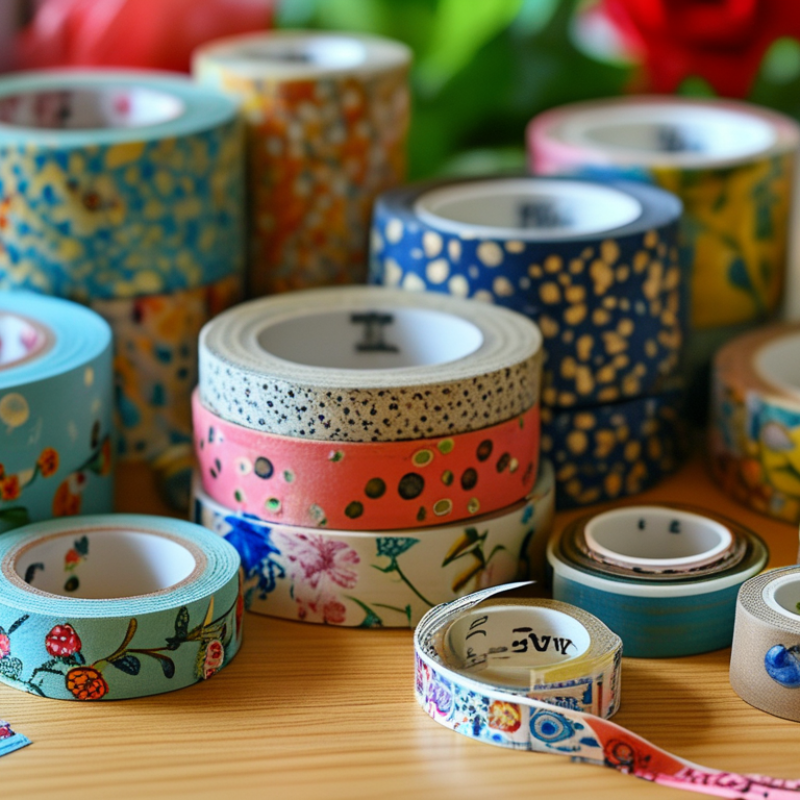
Additionally, specialty tapes, like washi tape, have gained traction. They come in attractive designs and colors, adding a personal touch to any project. Yet, these tapes may not offer the durability needed for all packaging tasks. It's essential for users to consider the specific requirements of their projects. Exploring various brands can lead to discovering the perfect tape that balances aesthetics and functionality.
Tips for Effectively Using Small Tape in Various Applications
When working with small tape for various applications, knowing how to use it effectively can make a big difference. Small tape is versatile, ideal for packaging, crafting, and home repairs. Handling it correctly ensures that your projects are both neat and durable.
Start by selecting the right type of small tape for your task. For example, clear tape is great for invisible seams. Masking tape is suitable for painting projects, while double-sided tape offers strong adhesion for crafts. Each type serves a specific purpose and can enhance your project when used correctly.
Using small tape requires attention to detail. Always make sure surfaces are clean before applying tape. This simple step helps the tape adhere better. When measuring, it’s wise to cut off an extra length, as it’s easier to trim later than it is to restart if it’s too short. Don’t hesitate to practice on scrap materials before tackling your main project. Mistakes happen, and recognizing areas for improvement can lead to better use of small tape in the future.