What is the Best Transparent Tape for Your Needs?
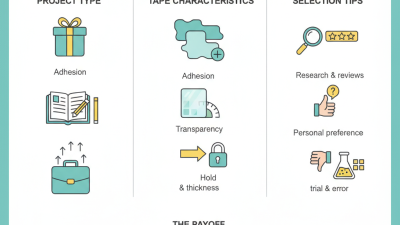
Choosing the right transparent tape can be a challenge. With so many options available, it's vital to know what to look for. Transparent tape serves various purposes, from household repairs to professional crafts. Understanding your specific needs will guide you toward the best choice.
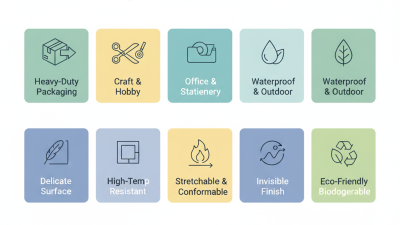
Some transparent tapes offer strong adhesion, while others are ideal for delicate projects. You might need tape that is eco-friendly or designed to work on specific surfaces. It's also important to consider the tape's durability and clarity. Different brands claim unique benefits, but not all live up to their promises.
When evaluating transparent tape, personal experiences and reviews play a crucial role. Some users swear by a particular brand, while others find it underwhelming. Discovering what works best for you may involve some trial and error. Ultimately, the right transparent tape can make a significant difference in your projects. So, invest time in finding the perfect fit for your needs.

Types of Transparent Tape and Their Uses
When it comes to transparent tape, understanding the types available can greatly enhance your choices. There are various types tailored for specific needs. For example, basic transparent tape works well for everyday tasks like gift wrapping or sealing envelopes. This type is affordable and widely recognized for its ease of use.
Another option is double-sided tape. This tape has adhesive on both sides, making it ideal for mounting photos or decorative elements. Its invisible nature adds to a clean look. However, this tape can be tricky if not applied correctly. Practice is essential to avoid sticky situations.
Specialty tapes also exist, such as those designed for heavy-duty use. They offer superior strength for more demanding projects. While effective, these tapes may leave residue. Always consider the surface you’ll use them on. Each type of transparent tape serves a purpose, yet the right choice depends on your specific needs.
Key Factors to Consider When Choosing Transparent Tape
Choosing the right transparent tape involves several key factors. You need to think about the tape's material. Common options are plastic and paper. Plastic tape tends to be more durable and moisture-resistant. Paper tape is often easier to write on.
Another important consideration is the tape's adhesion level. Some tapes stick sturdily, while others allow for repositioning. This can impact your project. If you need a tape for delicate surfaces, a lower adhesion tape might be better. Test a small piece before committing to a large application.
Finally, the width of the tape matters too. Wider tape covers more area, but can be harder to handle. Thinner strips offer precision but may take longer to apply. It’s a delicate balance. Consider your project needs carefully. Each choice shapes your results in noticeable ways.
What is the Best Transparent Tape for Your Needs? - Key Factors to Consider When Choosing Transparent Tape
| Factor |
Description |
Importance Level |
| Adhesive Strength |
How well the tape adheres to surfaces. |
High |
| Transparency |
Clarity and visibility when applied. |
Medium |
| Durability |
Resistance to wear and environmental factors. |
High |
| Size and Width |
Variety of widths and roll sizes available. |
Medium |
| Temperature Resistance |
How well the tape holds up under heat or cold. |
High |
| Ease of Use |
How easy it is to dispense and cut the tape. |
Medium |
Comparing Adhesive Strengths of Various Transparent Tapes
When choosing the best transparent tape, adhesive strength is a key factor. An industry report by the Adhesive Tape Manufacturers Association indicates that adhesive strength can vary significantly across different tape types. For example, standard clear tapes can have shear strengths ranging from 2.0 to 3.5 pounds per square inch (psi). In contrast, heavy-duty variants can exceed 5.0 psi.
For more durable requirements, consider investigating tapes with higher tack levels. A study from the Institute of Materials Science noted that tapes designed for packaging tend to inhibit slippage better, making them ideal for heavier items. Additionally, the thickness of the tape plays a role; thicker tapes can provide added security and better performance when faced with varying environmental conditions.
Tips: Always test tape on a small sample of your materials to assess adhesion. Store tapes in a cool, dry place to prevent degradation. Sometimes, a tape that works well in one application may fail in another due to unexpected environmental factors. Each scenario requires careful evaluation.
Top Brands of Transparent Tape: Features and Reviews
When it comes to choosing the best transparent tape, various brands offer distinct features. Some tapes are designed for office use, while others excel in crafting. Look for tapes that promise strong adhesion without compromising clarity. Clear finishes enhance aesthetics, especially for gift wrapping or documents.
When evaluating brands, consider their durability. Some tapes are prone to tearing and can leave residue. Testing multiple options can lead to deeper insights. It’s useful to visit local stores and examine the products firsthand. Pay attention to the width and thickness, as these factors affect performance.
Tips: Always keep extra tape on hand. You never know when a project may need an unexpected touch. If a tape isn't sticky enough, it may be worth trying a stronger option. Transparency is essential for visibility, so check reviews for clarity ratings. Sometimes, less popular brands outperform big names in certain tasks. A little experimentation can lead to better choices.
Transparent Tape Comparison
Best Practices for Using Transparent Tape Effectively
When it comes to using transparent tape, choosing the right type is only part of the equation. Proper application is key. Begin by ensuring your surface is clean and dry. Dust or moisture can hinder tape adhesion. It may seem minor, but this step saves time later. Press the tape down firmly, smoothing out any bubbles. Skipped this? You might face peeling edges.
Consider the task at hand. For craft projects, shorter pieces may suffice. However, packing needs often require longer strips. Measure once and cut accurately to avoid wastage. Not doing this can lead to frustrating reapplications. Note how the tape behaves with different surfaces — some materials may not respond well.
Don’t forget storage of the tape. Keep it in a cool, dry place. Extreme temperatures can affect its quality. Even an improperly stored tape may lose its stickiness. Experiment with different types for varied tasks. You might stumble upon a perfect match or realize a better approach. Reflecting on your usage will refine your skills over time. Embrace the learning process; you'll improve with practice.