How to Choose the Best Hot Melt Packing Tape for Your Needs?
Choosing the right Hot Melt Packing Tape can significantly impact your packaging efficiency. According to a report by the Pressure Sensitive Tape Council, the global demand for adhesive tapes, including hot melt variants, is on the rise. This growth highlights the need for businesses to select the appropriate tape for their specific requirements.
Hot melt packing tape offers exceptional adhesion and durability, making it ideal for various applications. Industry data suggests that using the right type can enhance carton sealing performance by up to 30%. Many companies, however, struggle to decide on the best option. Factors like adhesion strength, temperature resistance, and environmental adaptability must be evaluated.
Testing different brands and formulations can help identify the ideal choice. It’s crucial to assess not only the immediate performance but also long-term reliability. Some tapes may initially perform well but fail over time. This reflection on performance is vital for ensuring customer satisfaction and logistics efficiency. Balancing cost with quality should be a priority in your selection process.
Understanding the Basics of Hot Melt Packing Tape
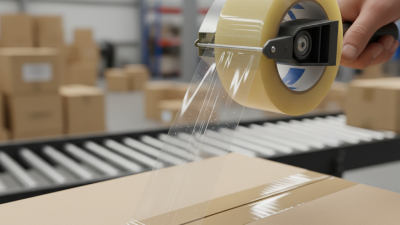
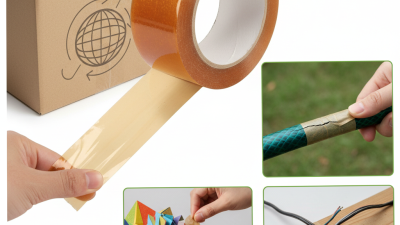
Hot melt packing tape is a versatile tool used in various packaging applications. Understanding its components helps in making an informed choice. Made from a polyethylene film and coated with a hot melt adhesive, this tape is designed for strong bonding. It's suitable for both manual and machine application. Its strength allows for secure sealing of boxes, which is crucial for shipping and storage.
When selecting hot melt packing tape, consider the thickness and adhesive type. Thicker tapes provide better durability but may be harder to unwind. Conversely, thinner tapes are easier to handle but might struggle with heavy boxes. Reflect on the surface you will use the tape on. A rough surface requires a tape that can conform and adhere effectively. Also, think about temperature settings. Some tapes perform poorly in extreme temperatures, leading to potential failures.
Not all hot melt packing tape is created equal. Some may peel off or lose adhesion over time. It’s important to test different options in your specific environment. Pay attention to the width as well, as this affects coverage and sealing efficiency. Finding the right balance between cost and performance is key. There’s no one-size-fits-all solution, so evaluating your needs is essential.
Key Factors to Consider When Choosing Hot Melt Packing Tape
When choosing hot melt packing tape, several key factors come into play. Firstly, adhesive strength is fundamental. According to industry studies, tapes with higher adhesive strength, typically rated between 50 to 70 ounces per inch, offer better performance. This means they bond securely to various surfaces, ensuring packages remain intact during transit.
Another important aspect to consider is the tape's thickness and width. A standard thickness ranges from 2 to 3 mils, providing durability while maintaining flexibility. Wider tapes, around 2 inches, are often preferred for heavier packages. They distribute weight more evenly, which minimizes the risk of breaking under pressure.
Moreover, environmental conditions can impact performance. Research indicates that fluctuating temperatures can affect tape adhesion. Tapes designed for extreme conditions often contain specialized adhesives. However, not all tapes are created equal. Some may struggle in humid or cold environments, leading to premature failure. Evaluating these elements can help you select the tape that best meets your specific needs.
Evaluating Adhesive Strength and Durability Requirements
When selecting hot melt packing tape, assessing adhesive strength and durability is crucial. Different projects demand varying levels of adhesion. A recent industry report highlighted that over 70% of shipping errors stem from inadequate tape selection. This statistic underscores the necessity of choosing a tape that meets your specific requirements.
Adhesive strength varies significantly across products. For instance, some tapes provide a peel adhesion ranging from 20 to 50 ounces per inch. This range directly affects how well the tape will bond with surfaces. Additionally, factors like temperature and humidity can impact adhesive performance. A weak bond in high humidity can lead to package failures.
Durability is another essential element. Tapes designed for long-term storage often feature a higher resistance to wear and tear. Such tapes maintain their integrity under stress, reducing the likelihood of damage during transit. It is estimated that packaging damage costs businesses approximately $1.5 billion annually. Selecting the right tape can mitigate these risks and enhance overall efficiency.
Assessing Tape Width and Thickness for Your Packaging Needs
Choosing the right hot melt packing tape can significantly impact your packaging process. One of the most critical factors to consider is the tape's width. A tape that is too narrow may not provide adequate coverage, leading to potential issues during shipping or storage. Generally, a width of 2 inches is recommended for most applications.
Thickness plays an equally important role. Thicker tapes usually offer better adhesion and durability. Keep in mind that a balance between width and thickness is essential. Too thick of a tape may become difficult to handle, while too thin may fail to support heavy loads. The perfect option often depends on the specific materials you're working with and the items being packaged.
It's important to reflect on your unique needs. Are you packaging lightweight items, or do you need something more robust? Testing different combinations can lead to better results. Observing how your chosen tape performs in real-world conditions will help you identify any shortcomings. This hands-on approach could reveal unexpected variables that might affect your packaging success.
Comparing Different Types of Hot Melt Tapes for Various Applications
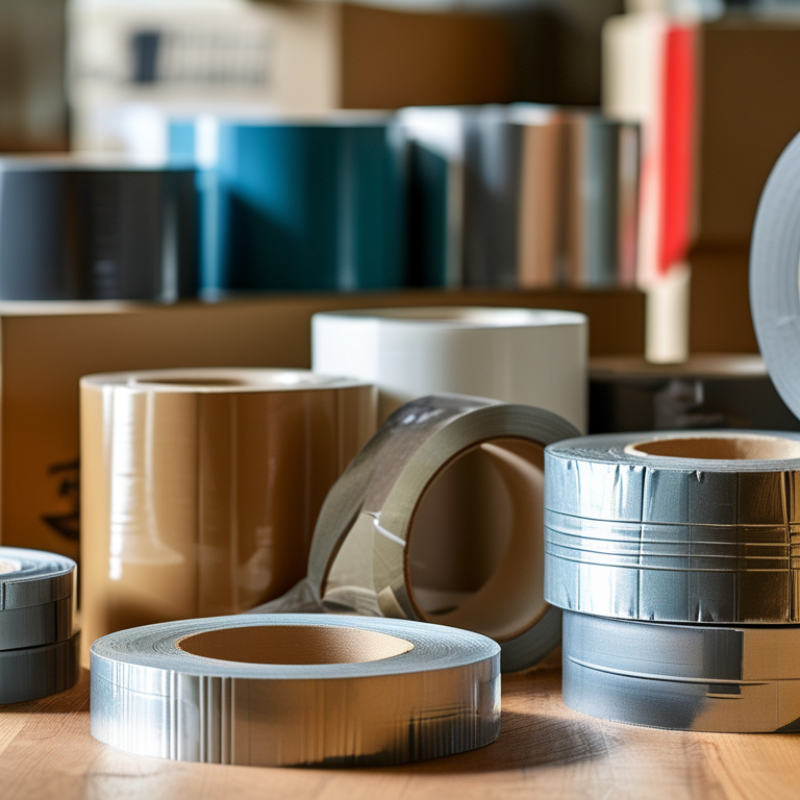
When selecting hot melt packing tape, understanding its various types is crucial. There are different formulations designed for specific purposes. For instance, a general-purpose tape is excellent for everyday tasks like sealing boxes. It adheres well to cardboard, ensuring a reliable seal. However, its performance may falter under extreme temperatures.
For heavy-duty applications, look for more robust options. These tapes can withstand significant stress and heavy weights. They often feature a thicker adhesive layer, which provides additional grip. This type is ideal for industrial settings where reliability is paramount. Still, some users might find them challenging to unwind compared to lighter alternatives.
It's also important to consider the tape's width and length for your specific needs. Wider tapes cover more surface area quickly, but they may be harder to handle. Size might also impact how easily you can store and dispense the tape. Reflect on these factors to make an informed choice that aligns with your requirements. Each type presents unique benefits and potential downsides. Evaluating them carefully can improve your packing efficiency.