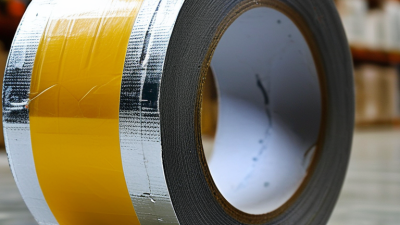
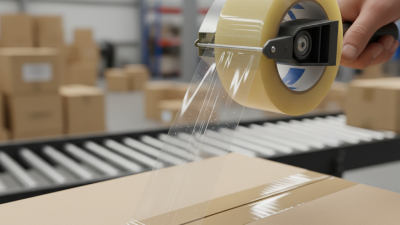
Why Choose Clear Packing Tape for Your Shipping Needs?
In today's fast-paced shipping industry, the choice of packaging materials significantly impacts efficiency and cost. Clear packing tape is gaining recognition among logistics experts for its reliability. According to a recent report by the Packaging Institute, over 80% of companies now prefer clear packing tape due to its superior adhesion and visibility.
Industry expert, Dr. Emily Harrison, emphasizes, "Clear packing tape offers unmatched clarity and strength, making it an essential tool in the shipping process." This adhesive not only secures boxes but also allows for easy identification of packages. Visibility is crucial, especially in high-volume environments.
However, not all clear packing tapes are created equal. Businesses must consider factors such as thickness and tensile strength. Some lower-quality options may fail under stress, leading to potential shipping losses. Companies should reflect on these details to ensure they invest in the best clear packing tape for their needs.
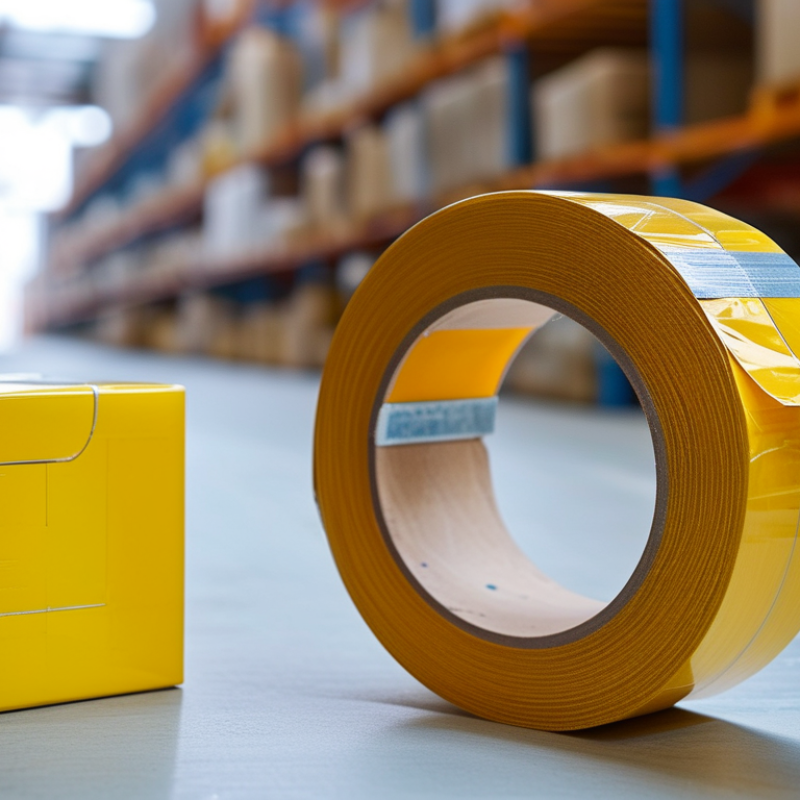
Benefits of Using Clear Packing Tape for Shipping
When it comes to shipping, clear packing tape is a reliable choice. Its transparency allows for easy visibility of labels and addresses. This feature is vital for ensuring packages are delivered correctly. Additionally, its strong adhesive ensures that boxes remain secure during transit. Fragile items can be packed with confidence, reducing the risk of damage.
Using clear packing tape also enhances professionalism. A well-sealed package creates a positive impression. Customers appreciate receiving their orders intact and clean. This builds trust and can lead to repeat business. Remember that the first impression matters in shipping.
Tips for using clear packing tape: Ensure you apply it smoothly to avoid wrinkles. Uneven tape can lead to failure during transport. Another tip is to use a tape dispenser for added precision. This reduces waste and makes the process efficient. Lastly, always store your tape in a cool, dry place to maintain its adhesive quality.
Benefits of Using Clear Packing Tape for Shipping
Types of Clear Packing Tape Available on the Market
When it comes to shipping, clear packing tape plays a vital role. Its transparency allows for easy labeling and branding. But the market offers several types, each with unique properties suitable for different needs. Depending on your shipping volume, you may choose from acrylic, hot melt, or water-activated tapes.
Acrylic tape is often preferred for long-term storage and provides high clarity. It adheres well to cardboard and is resistant to environmental factors. In contrast, hot melt tape creates a strong bond quickly, ideal for high-speed packing operations. According to a recent industry report, nearly 54% of businesses favor hot melt tape for its efficiency. Meanwhile, water-activated tape is gaining traction due to its eco-friendly attributes.
Despite their benefits, some may overlook the importance of tape thickness and consistency. A tape that’s too thin may not withstand the rigors of shipping. Additionally, inconsistent adhesion can lead to package failures. Industry studies reveal that 20% of packages suffer damage due to inadequate sealing. Understanding these nuances is essential for making informed decisions about your shipping needs.
Comparative Strength: Clear Packing Tape vs. Other Tapes
When it comes to shipping, choosing the right tape is essential. Clear packing tape stands out in various ways. Its adhesive strength exceeds that of many other tapes. This makes it a reliable option for securing packages tightly. The transparency also helps in identifying labels and barcodes easily. Many prefer this feature as it promotes efficient handling.
While other tapes may be cheaper, they often lack durability. Masking tape and duct tape can break under pressure. Their adhesives may also leave residues or weaken over time. In contrast, clear packing tape maintains its integrity. This reduces the risk of packages getting damaged during transit. However, some users may find it less eco-friendly. This is a point worth considering.
Not every tape is suitable for every task. For lighter items, a less aggressive tape might suffice. But for heavier shipments, clear packing tape becomes the clear choice. It’s important to assess your specific needs. Testing different types of tape can lead to better decisions in the long run. Paying attention to these details can prevent future shipping mishaps.
How to Properly Apply Clear Packing Tape for Secure Shipping
When it comes to shipping, the right packing tape is essential. Clear packing tape is popular for its versatility and strength. However, applying it correctly is vital to ensure security during transit.
Start by preparing your package. Make sure all seams are tightly closed. Apply a strip of tape over each seam. Cover the entire seam for better durability. If you’re sealing a box, make an “H” shape on the top and bottom. This method reinforces corners which are often vulnerable.
Be mindful of your application technique. It is easy to accidentally crease the tape. Bubbles can form if applied unevenly. These imperfections may compromise the seal. If you notice issues, pull off the tape and reapply. This step is crucial for making sure your items stay secure. Taking the time to do it right can save you from shipping disasters.
Why Choose Clear Packing Tape for Your Shipping Needs? - How to Properly Apply Clear Packing Tape for Secure Shipping
| Feature |
Benefits |
Application Tips |
| Transparency |
Allows for easy visibility of labels and contents. |
Use on clear packages to enhance presentation. |
| Strength |
Durable and can hold heavier packages securely. |
Apply 3-4 strips on the seams for added strength. |
| Versatility |
Suitable for various surfaces and box types. |
Ensure surface is clean and dry before application. |
| Ease of Use |
Easy to cut and apply with minimal effort. |
Use a tape dispenser for quicker application. |
| Cost-Effectiveness |
Affordable option for shipping needs. |
Buy in bulk to save money on shipping supplies. |
Environmental Considerations When Choosing Packing Tape
When selecting packing tape, environmental considerations are crucial. Traditional packing tapes often contain plastic, which contributes to pollution. Many consumers don't realize how these materials impact our planet. It's essential to seek alternatives that minimize harm.
Recyclable options are now available in the market. These tapes use less harmful materials and are often biodegradable. However, not all recycled tapes perform equally. Some may lack the strength needed for secure shipping. It's important to balance ecological benefits with durability.
Further research is required into the manufacturing processes behind these products. Transparency about materials used is still lacking for many brands. As consumers, we must advocate for more sustainable practices while ensuring our shipping needs are met. It might be challenging to find the ideal tape that's both eco-friendly and effective. This is a critical area for both manufacturers and users to ponder.