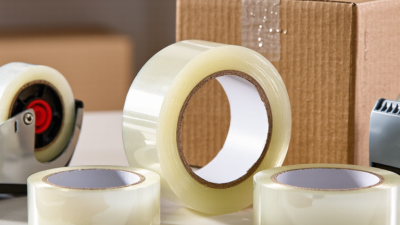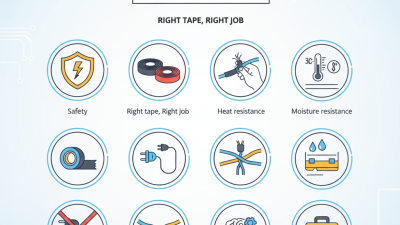
Choosing the right Hot Melt Carton Sealing Tape can look like a small packaging decision. In practice, it affects closure strength, warehouse damage, labor speed, and customer confidence. Cartons face dust, vibration, temperature changes, and rough conveyor transfers. A tape that performs well in a clean factory may fail on recycled corrugated boxes. That difference matters. This guide explains how to assess tape beyond a supplier’s headline adhesion number. It considers backing film, adhesive formulation, roll quality, application temperature, and carton surface. Small details often decide whether a sealed box stays closed.
Real packaging experience shows that no single tape suits every shipping line. Hot melt adhesive usually offers fast grab and efficient machine application, making it useful for high-volume carton sealing. However, “hot melt” is not a complete performance specification. Bond strength can change with board fiber, dust, humidity, and storage time. Operators should inspect the first sealed cartons, check edge lifting, and test boxes after stacking. A simple peel check helps, but it cannot replace controlled trials. That is an easy point to overlook.
This 2026 selection guide combines practical testing with technical evaluation. It will compare tape widths, thicknesses, tensile strength, adhesion, noise, and equipment compatibility. It will also address transparent and printed options, seasonal conditions, and purchasing consistency. Reliable decisions come from matching evidence to the actual packaging environment. Do not choose by price alone. The cheapest roll may create rework, product loss, or slower packing. Even experienced teams can miss a variable during a rushed trial. Document the results, question assumptions, and choose the tape that remains dependable after the carton leaves the packing bench.

How to Choose Hot Melt Carton Sealing Tape in 2026?
Hot melt carton sealing tape uses a pressure-sensitive adhesive activated during manufacturing. It bonds quickly without water, heat, or drying time. This makes it practical for warehouses, distribution centers, and e-commerce packing lines. The adhesive grips corrugated surfaces through fast initial tack. It also supports high-speed carton sealing equipment.
Applications vary with carton weight and storage conditions. Light parcels may need standard polypropylene backing and moderate adhesive strength. Heavier boxes require stronger backing, wider tape, or additional sealing passes. Recycled corrugated cartons can contain loose fibers and dust. Their uneven surfaces may reduce contact. Test the tape on actual cartons.
In packaging trials, I check sealing performance after transport vibration and temperature changes. A tape that worked indoors failed on a cold loading dock. That result was useful. It showed that quick tack alone was not enough. For freezer shipments, humid warehouses, or rough handling, review low-temperature adhesion and holding power. Also check roll length, unwind noise, machine compatibility, and carton surface cleanliness. A balanced choice reduces waste and reopened packages. No single tape performs perfectly everywhere. Practical testing still matters.
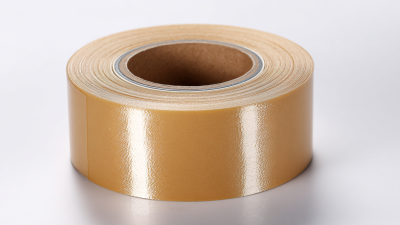
Virgin corrugated board usually offers a cleaner, more receptive surface. Recycled fiber can contain dust, loose fibers, and sizing chemicals. That difference affects wet-out and long-term adhesion. Smithers’ 2024 packaging market analysis identifies recycled content and e-commerce handling as major packaging development pressures. Therefore, test tape on the actual carton, not a smooth sample board.
Cold storage can reduce hot melt tack during application. Humidity may soften carton fibers, while dusty flaps can create false confidence. Press the tape firmly across both flaps. Observe edge lifting after 24 hours. Then test peel and shear performance after temperature cycling. ASTM D3330 peel testing can support comparison, but it does not fully represent a moving case sealer. Real lines behave differently.
Heavy cartons, rough board, and long transport routes need stronger anchorage. Lightweight parcels may need balanced tack without excessive fiber tear. The 2024 e-commerce packaging outlook from Research and Markets projects continued shipment growth through the decade, increasing demand for consistent automated sealing. That forecast is useful, but not perfect. Machines vary. Operators make mistakes. A practical trial should check line speed, tape width, roll unwind, compression time, and storage temperature. Small carton changes can invalidate yesterday’s result.
Choosing hot melt carton sealing tape in 2026 requires more than comparing prices. Adhesion should match the carton surface, dust level, and storage temperature. A tape that grips recycled cardboard may perform poorly on smooth coated board. Check initial tack by pressing a short strip firmly onto the box. Test it cold, too. Many packing areas are not climate controlled.
Backing strength matters when cartons are heavy, overfilled, or stacked tightly. Strong backing resists stretching during application and helps prevent splitting along the tape line. However, excessive stiffness can make application awkward. Width should cover the center seam with enough contact on both flaps. For common cartons, a narrow tape may leave exposed edges, while an overly wide roll can waste material. Measure the seam, not just the box width.
Thickness affects handling, tear resistance, and how securely the tape conforms to uneven cardboard. Thicker tape is not automatically better. Compare samples on actual cartons, then inspect the seal after transport, vibration, and overnight storage. I prefer checking both clean and slightly dusty surfaces because real packing rarely stays perfect. One practical detail is often missed: test the tape with the same dispenser used by operators. Application pressure changes results. No test replaces field observation. A tape may pass a quick peel check yet fail after repeated handling. That possibility deserves attention.
Carton sealing tape must match the journey, not just the carton. Temperature, storage humidity, and shipping pressure can change adhesive performance. Hot melt tape usually offers quick grab and efficient machine application. However, fast bonding does not guarantee reliable sealing in cold warehouses. Before purchasing, check the technical data sheet for application temperature, service range, holding power, and aging results.
Storage conditions deserve careful attention. A carton stored beside an open loading door may face condensation, dust, and sharp temperature changes. Test tape on the actual carton board, especially when recycled fibers or dusty surfaces are involved. ASTM D4332 conditioning and ISTA distribution testing can help simulate these conditions. Still, a perfect laboratory result may disappoint in a busy warehouse. That is worth questioning.
Shipping adds another variable. The U.S. Census Bureau reported 2024 U.S. retail e-commerce sales of about 1.19 trillion dollars, showing the scale of parcel handling. More parcels mean more vibration, impacts, and repeated conveyor contact. For long-distance shipping, compare adhesion after cold exposure, heat exposure, and several days of storage. The 2024 Smithers packaging analysis also identifies e-commerce distribution as a continuing packaging growth driver. Choose the tape width and thickness for the box weight, sealing speed, and flap tension. Test real routes when possible. Small trials prevent expensive assumptions.
A reliable hot melt carton sealing tape should withstand vibration, dust, and changing warehouse temperatures. Check adhesive coating weight, backing strength, unwind consistency, and seal performance. A clean seal is not enough. In plant trials, tape can look perfect but fail after overnight storage in a cold loading area. Test actual cartons, recycled content, flap pressure, and line speed before approval.
Compatibility affects productivity. Confirm that the tape bonds with your carton coating and fiber mix. The Fibre Box Association reports that recycled fiber remains a major component of corrugated packaging, so carton surfaces can vary between suppliers. Measure start-up waste, roll changes, machine downtime, and damaged cartons. These hidden costs may exceed the tape’s invoice price. A lower-cost roll is not always cheaper.
Sustainability also needs evidence. The U.S. EPA reported 82.2 million tons of containers and packaging in municipal solid waste in 2018. Packaging choices matter, but vague environmental claims are risky. Request recycled-content details, adhesive composition, and disposal guidance. The Sustainable Packaging Coalition recommends evaluating the full packaging system, not one material alone. I would still challenge one assumption: thinner tape is not automatically greener if failures increase waste.
Tips: Order samples from multiple production batches. Test 24-hour adhesion, cold-room performance, carton dust, and manual removal. Compare total cost per sealed carton, not price per roll. Record failures honestly. That data is often uncomfortable, but useful.