How to Choose the Best Clear Tape for Your Projects?
When selecting the best Clear Tape for your projects, understanding its various applications is crucial. According to a recent market analysis by *Adhesive Bonding Insights*, the demand for clear tape continues to rise, projected to reach $1.2 billion by 2025. This growth underscores the importance of choosing the right type for your needs. Industry expert Dr. Emily Carter states, "The right Clear Tape can significantly enhance both efficiency and aesthetics in any project."
Clear Tape comes in an array of styles and strengths. Whether for crafting, packaging, or repairs, each application demands specific tape characteristics. Standard options, such as basic clear packing tape, may not hold up under stress. Some projects require more specialized types, such as double-sided or acid-free tape.
Moreover, selecting the wrong Clear Tape can lead to frustrating situations. Poor adhesion, residue, and transparency issues can compromise your project's outcome. Choosing wisely will save time and ensure a professional finish. So, consider your specific needs and consult expert resources to find the perfect Clear Tape for your project.
Understanding the Different Types of Clear Tape Available
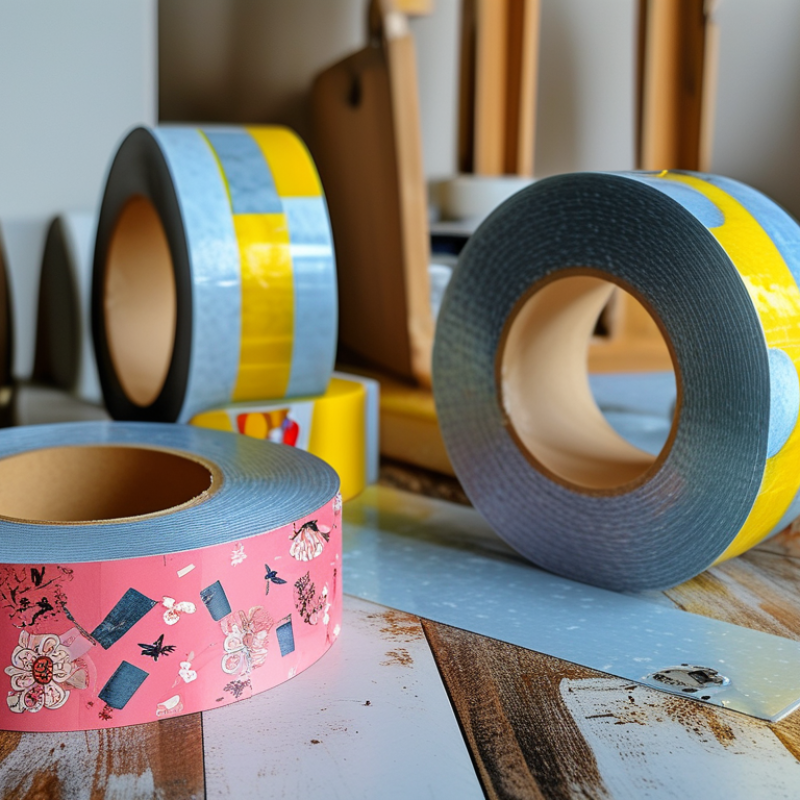
When assessing the types of clear tape available for projects, understanding their specific applications is vital. Different tasks might require distinct tape characteristics. For instance, pressure-sensitive tapes are often used in everyday applications. They adhere quickly and easily to various surfaces, offering convenience for tasks like gift wrapping or light repairs. A recent industry report suggested that pressure-sensitive tapes make up around 65% of the clear tape market due to their versatility.
On the other hand, specialty clear tapes are tailored for unique projects. For packaging, a stronger, more resilient tape may be necessary. Reinforced tapes, for example, often contain fibers that enhance strength and durability. This is particularly crucial in industrial settings, where reliable seal integrity is essential. The demand for such tapes has risen by approximately 25% over the past year, as record shipping volumes drive the need for dependable packaging solutions.
Each tape type presents pros and cons that one must consider. Some tapes may leave residue on surfaces, while others might not bond well with certain materials. An informed choice requires looking at the project’s needs and the tape's capabilities. It’s important to weigh these factors before purchasing. Sometimes, testing different types may be necessary to find the best fit.
Evaluating Adhesive Strength for Your Project Needs
When selecting clear tape, adhesive strength is crucial to your project's success. Different projects have varying needs for adhesion. For lightweight materials, a low-tack tape may suffice. However, for surfaces that demand more holding power, you might require a stronger option. Evaluating the surface type can help determine the best adhesive strength.
Think about how the tape will be used. Will it face stress, moisture, or temperature changes? These factors influence adhesion. A tape that works well in a controlled environment might fail in harsh conditions. Testing samples on your actual materials can provide insights you may not have initially considered.
It’s essential to reflect on past experiences. Have certain tapes failed when expected to hold? Consider the surface preparation too; dust or grease can impact adhesion. There is no one-size-fits-all solution. Every project deserves careful consideration of these factors to ensure the best results.
How to Choose the Best Clear Tape for Your Projects? - Evaluating Adhesive Strength for Your Project Needs
| Tape Type |
Adhesive Strength (lb/in) |
Thickness (mil) |
Temperature Resistance (°F) |
Best For |
| Heavy Duty Clear Tape |
5 |
3 |
150 |
Packaging, Repair |
| General Purpose Tape |
3 |
2 |
120 |
Arts and Crafts, Light Packaging |
| Double-Sided Tape |
4 |
2 |
100 |
Mounting, Scrapbooking |
| Invisible Tape |
2.5 |
1 |
90 |
Presentations, Office Use |
| Outdoor Clear Tape |
6 |
4 |
180 |
Outdoor Repairs, Gardening |
Assessing Durability and Longevity of Clear Tapes
When choosing clear tape, assessing its durability and longevity is crucial. Durability refers to how well the tape withstands wear and tear. For instance, some tapes might tear easily, while others can endure manual handling without losing their adhesive power. Longevity indicates how long the tape maintains its effectiveness after application. A tape that curls up after a week is frustrating.
Consider the environment where the tape will be used. Will it face moisture? Some tapes perform poorly in humid conditions. Others might dry out, becoming brittle. These factors are essential when planning projects—whether for home repairs or crafting. You want a tape that adheres properly and stays put over time. Look at the product specifications. They often include information on temperature resistance and adhesives used.
Testing different types of tape can also be revealing. A simple strip can show how well it holds up over days or in different conditions. This trial and error process may sometimes lead to less than ideal results. However, it can reveal which tapes truly stand the test of time. Remember, not all tapes are created equal. Adjust your expectations and preferences based on your experiences. Your next project might thank you.
Durability and Longevity Assessment of Various Clear Tapes
Considering Width and Thickness for Specific Applications
Choosing the right clear tape is crucial for successful project outcomes. When considering
width and thickness, it’s important to match them to specific applications. According to industry reports, using the correct tape
can influence adhesion properties, tensile strength,
and longevity.
Width plays a significant role in ensuring that the tape adequately covers the intended area. For example, narrow tape might suffice for small arts and crafts projects, while wider tape is
essential for packaging. A study by the Adhesive Tape Manufacturers Association indicates that using tape widths above 1 inch often
improves sealing effectiveness. Yet, some users may overlook this detail and face issues like peeling or insufficient coverage.
Thickness is equally important. Thicker tapes are usually more durable and can withstand heavier loads, making them ideal for shipping or construction tasks. Conversely, thinner tapes
may be more suitable for delicate projects, where precision is key. Choosing the wrong thickness can lead to
frustrating results, such as tape tearing or not adhering properly. Reflecting on these choices emphasizes the importance of
understanding materials in order to achieve desired outcomes.
Analyzing Cost-Effectiveness and Brand Reputation
When selecting clear tape, cost-effectiveness and brand reputation play significant roles. Low-priced tapes might save money but can compromise quality. Sometimes, a more expensive tape offers better adhesion and longevity. Consider whether the tape can handle different projects, from crafting to packaging.
Brand reputation is crucial. Established brands often offer consistency in product performance. However, newer brands can surprise with innovative options. Research reviews and user experiences to gauge reliability. Price should align with the expected quality; cheaper isn't always better.
Reflect on your specific needs. Sometimes, it's hard to determine the right tape at first glance. Testing different types can yield insights. Keep a record of what works best for each project. This process isn’t always straightforward but can lead to better choices in the long run.