How to Choose the Best Double Side Tape for Your Needs?
Choosing the right double side tape can significantly impact your project's success. The global double side tape market is projected to reach $84 billion by 2026, according to a recent industry report. This highlights the growing importance of selecting suitable materials for various applications.
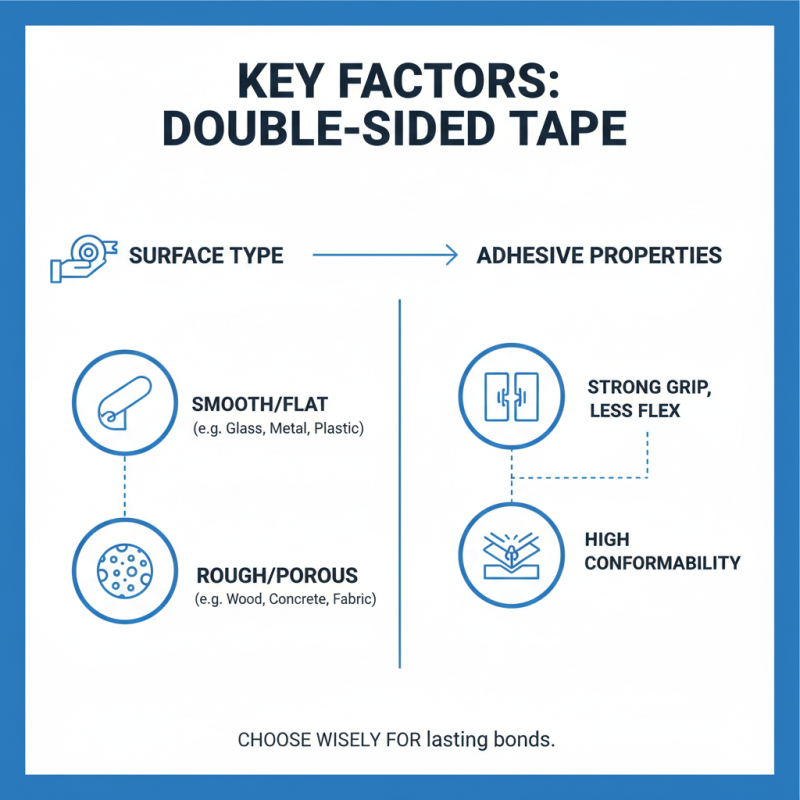
Expert Mark Thompson, a well-respected figure in adhesive technologies, emphasizes, "The right double side tape can make all the difference in ensuring durability and performance." With countless options available, understanding your needs is key. Consider the surfaces you'll be bonding, the environmental conditions, and the required strength of adhesion.
Research shows that 45% of users often experience issues due to improper tape selection, leading to frustration and additional costs. Many choose double side tape without fully understanding its specifications. Taking the time to evaluate your options can save you headaches in the long run.

Understanding the Different Types of Double-Sided Tape
Choosing the right double-sided tape can be overwhelming. There are many types, each designed for different uses. Understanding the nuances can impact your projects significantly.
Foam tape is great for uneven surfaces. It provides cushioning and support. However, it may not hold up in extreme temperatures. In contrast, paper tape is lightweight and easy to handle. It works well for temporary fixes but lacks strong adhesive properties. Consider what you value more: permanence or ease of removal.
There’s also fabric tape, ideal for crafting and repairs. It bonds well but can sometimes fray at the edges. Inexperienced users might find it tricky to apply without air bubbles. Evaluating the surface and weight of your materials is essential. Experimenting with samples can prevent costly mistakes.
Understanding the Different Types of Double-Sided Tape
Evaluating Adhesive Strength for Your Specific Needs
Choosing the right double-sided tape starts with understanding
adhesive strength. This strength dictates how well the tape will
hold under various conditions. According to industry reports, the adhesive strength can range from 10 to 20 pounds
per inch. Knowing your application helps in selecting the appropriate tape for your needs.
For lighter materials, a lower strength tape may suffice. However, for heavy-duty tasks, opt for higher strength options. Failure to match adhesive capabilities can lead to subpar results. If the tape fails, the consequences can be costly.
Tips: Always conduct a test. Apply a small piece of tape to your
material and assess its hold over time. Look for reviews and data from reliable sources to compare options.
Remember, not every tape fits every need. Understand the environment, such as temperature or humidity,
which can affect performance.
Assessing Compatibility with Various Surfaces and Materials
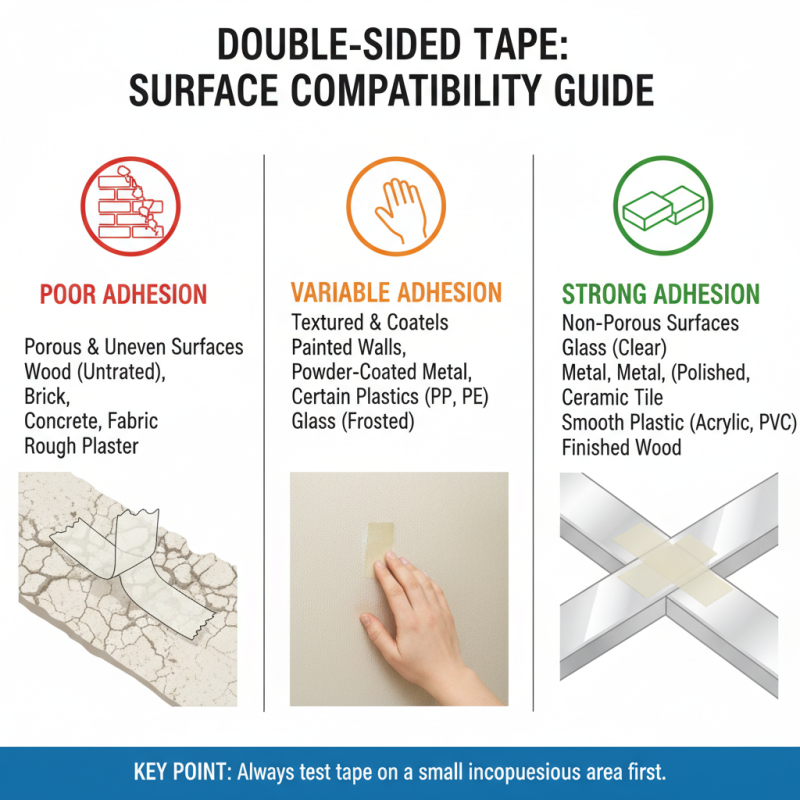
When selecting double-sided tape, assessing compatibility with surfaces and materials is crucial. Different adhesives perform variably when applied to various substrates. For instance, a report from the Adhesive and Sealant Council noted that adhesive bonds can weaken on porous surfaces compared to non-porous ones. This highlights the need to consider the texture and composition of the materials you are working with.
For optimal results, match the tape type to its intended surfaces. Conduct a small test to ensure adhesion. Often, tapes designed for heavy-duty applications work well on smooth surfaces like metal or plastic. Conversely, fabric or paper materials generally require a tape with a lower adhesion strength to avoid damage. Remember, not all double-sided tapes are created equal, and mismatches can lead to peeling or inadequate bonding.
Tip: Always store your tape in a cool, dry place. Excessive heat or moisture can affect its adhesive properties. Assessing your project's specific requirements can lead to better results. If using a less common material, consult data or professionals to gauge the best adhesive. Sometimes, the right choice simply involves trial and error to find the perfect fit.
Exploring Special Features and Applications of Double-Sided Tape
Double-sided tape serves various purposes in both home and professional settings. When selecting the best tape, understanding its unique features is crucial. Specialty double-sided tapes come in different materials and adhesive strengths. Some are designed for delicate surfaces, while others excel in heavy-duty applications.
For projects involving lightweight materials, a thinner tape can provide adequate support. Conversely, thicker, stronger tapes are suitable for heavier items. Look for tapes that offer both temperature resistance and moisture protection, especially for outdoor use. These characteristics ensure that the tape maintains its adhesive qualities under different conditions.
Tips: Always conduct a small test before applying tape on a large surface. This helps confirm compatibility and adhesion. Consider the surface texture of your materials. Smooth surfaces may require a different approach than rough ones. When in doubt, review product specifications carefully. Double-checking these details can save time and prevent mistakes.
How to Choose the Best Double Side Tape for Your Needs?
| Tape Type |
Adhesive Strength |
Temperature Resistance |
Application |
Material |
| Foam Tape |
High |
-10°C to 70°C |
Sealing, Insulation |
Polyethylene Foam |
| Acrylic Tape |
Medium to High |
-30°C to 100°C |
Mounting, Display |
Acrylic Foam with PET Carrier |
| Paper Tape |
Low to Medium |
0°C to 50°C |
Crafting, Light Mounting |
Paper |
| Fabric Tape |
Medium |
-20°C to 60°C |
Costuming, Upholstery |
Cotton, Polyester |
| PVC Tape |
High |
-10°C to 80°C |
Electrical Insulation |
PVC Film |