How to Choose the Right Clear Tape for Your Needs?
When it comes to tape, choosing the right option can be tricky. Clear tape is a popular choice for many applications. But not all clear tape is created equal. The choices can overwhelm anyone who needs it. Knowing what to look for is crucial.
Different clear tapes serve various purposes. Some are ideal for sealing packages, while others are better for crafting. Consider your specific needs before making a decision. This clarity will help you avoid choosing the wrong product. It can lead to frustration and wasted resources.
Quality and features matter significantly when selecting clear tape. Look for durability and stickiness. Not all clear tapes offer the best performance. Testing a few options might be necessary to find the perfect match. Taking the time to evaluate your choices will pay off in the end. Clear tape is a small but essential tool in daily tasks.
Understanding the Different Types of Clear Tape Available
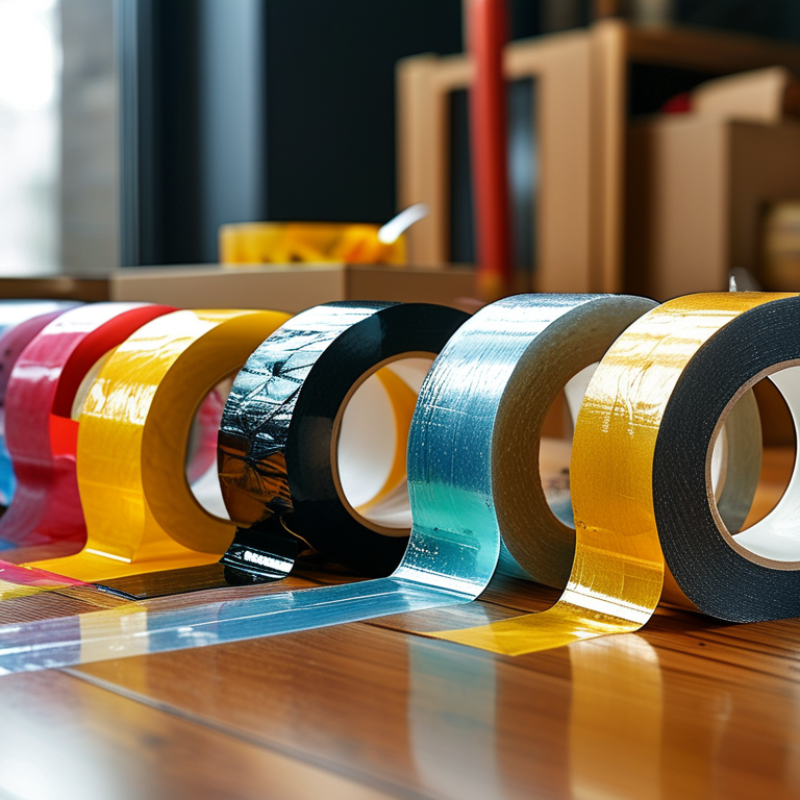
When selecting clear tape, understanding the different types is essential. There are several variations, each serving specific purposes. For example, standard clear tape works well for light-duty tasks like wrapping gifts or sealing envelopes. Heavy-duty clear tape is designed for more challenging jobs, including packaging and repairs. Specialty tapes, such as double-sided or waterproof options, provide specific solutions depending on your needs.
Tips: Always consider the adhesive strength. Too weak, and it won’t hold; too strong, and it might damage surfaces. Test a small area first when using tape on delicate materials.
Another factor to consider is the tape's width. Narrow tapes can be precise, but wide tapes cover more area faster. Assessing the project requirements helps ensure the best choice.
Tips: Keep in mind the tape's transparency. Some tapes appear cloudy, while others remain crystal clear. Always match the tape with the aesthetic needs of your project. Adjust your expectations based on the application for better results.
Evaluating the Strength and Durability for Your Specific Needs
Choosing the right clear tape involves assessing its strength and durability for your specific needs. Clear tape varies widely in performance. Factors like thickness, adhesive quality, and material composition play crucial roles.
Consider what you will be using the tape for. Light tasks might not need robust tape, while heavy-duty applications demand superior strength. Not all tapes handle stress equally. For example, a tape that holds well in dry conditions may falter in humid environments.
Durability is another key factor. Look for tapes that resist tearing and can maintain adhesion over time. Some tapes may lose their grip after exposure to heat or moisture. Testing a few options before settling on one is wise. You might find that what works for one project fails in another. Understanding your specific requirements will lead to better choices.
Clear Tape Strength and Durability Comparison
Identifying the Ideal Width and Length for Your Projects
When choosing the ideal width and length for clear tape, consider your specific project needs. Different tasks require different tape dimensions. For general household tasks, a tape width of 0.5 inches works well. However, larger projects may call for wider options, such as 1 inch or more. A wider tape provides extra adhesion and coverage, ideal for packages and bigger repairs.
Length is equally essential. Common rolls come in 15 to 60 yards. Shorter lengths are suitable for small tasks like wrapping gifts, while longer lengths cater to extensive projects. Think about how often you’ll use the tape. Buying a longer roll can save time and money in the long run. Yet, excess tape can lead to waste if you rarely use it.
It's also important to reflect on the tape's use. Not all clear tapes are created equal. Consider the surface you’re working on. Does it involve rough textures, or is it smooth? Clear tape might not adhere well in humid environments, so choose accordingly. Ensure you make informed decisions based on your experience and the specific requirements of your projects.
How to Choose the Right Clear Tape for Your Needs? - Identifying the Ideal Width and Length for Your Projects
| Tape Type |
Width (inches) |
Length (yards) |
Ideal Use Cases |
| Standard Clear Tape |
0.75 |
25 |
General purpose, gift wrapping |
| Heavy-Duty Clear Tape |
1.0 |
20 |
Packaging, shipping |
| Double-Sided Clear Tape |
0.5 |
30 |
Crafts, photo mounting |
| Writable Clear Tape |
0.75 |
25 |
Labeling, organizing |
| Invisible Tape |
0.5 |
40 |
Seamless repairs, school projects |
Exploring Adhesive Properties and Their Impact on Use
When choosing the right clear tape, understanding
adhesive properties is essential. The type of adhesive affects how well the tape sticks and how long it lasts. Some tapes are designed for temporary use, while others offer a strong, permanent bond. This can greatly influence the success of your projects.
Check the adhesive strength. A tape with a strong adhesive works well for heavy materials. If you're fixing lightweight items, a moderate adhesive is sufficient. Consider the surface type too. Smooth surfaces require different adhesives than textured ones.
Tips: Always test a small piece before applying tape to large areas. This will help you avoid unwanted residue or damage. Store tape in a cool, dry place to maintain its adhesive quality. Remember, not all tapes are created equal. Analyze your specific needs before making a decision. Understanding these adhesive properties can lead to better outcomes in your projects.
Considering Environmental Factors and Tape Storage Conditions
When choosing the right clear tape, considering environmental factors is crucial. The conditions under which tape is stored affect its performance. Basic exposure to sunlight or heat can cause tape to degrade. These factors may lead to adhesive failure or an unsightly appearance. Therefore, proper storage is paramount. Use a cool, dry place for optimal longevity.
Humidity can also play a significant role. Excess moisture may compromise adhesive qualities. Tapes may curl or lose their sticking power when exposed to dampness. On the other hand, cold temperatures can make the tape more brittle. It may not perform well in low-temperature environments. Always check the storage recommendations for your chosen tape.
Reflecting on your environment can lead to better choices. For instance, if you work in a hot, humid space, think about how that impacts tape selection. Choosing a tape specifically designed for challenging conditions can save you headaches later. Awareness of these environmental factors can enhance both tape performance and your project outcomes.