How to Choose the Right Electrical Tape for Your Needs?
Choosing the right electrical tape can be a challenging task. The variety of options available may lead to confusion. Electrical tape is essential for electrical insulation and repairs. It provides safety in electrical work. Understanding your specific needs is crucial for making the right choice.
When selecting electrical tape, consider factors like temperature rating and material. Not all tapes are suitable for every situation. For example, PVC tape is commonly used, but it may not withstand extreme conditions. Vinyl tapes offer flexibility and durability but can be more expensive. Each option has its strengths and weaknesses.
The application makes a significant difference as well. Indoor projects might require different specifications compared to outdoor uses. Identifying your environment is important. While the right tape can enhance safety, the wrong choice may lead to hazards. Taking the time to understand these details will help you make an informed decision.
Types of Electrical Tape and Their Common Uses
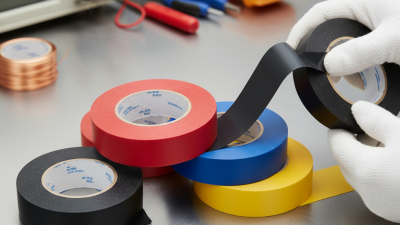
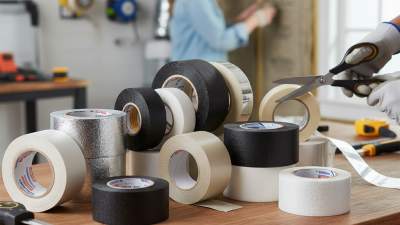
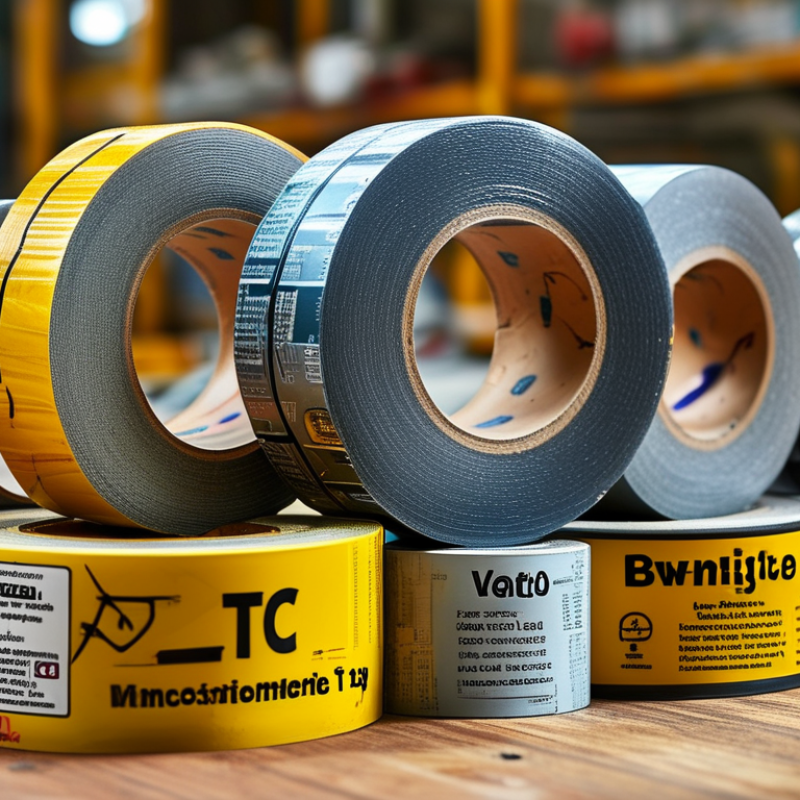
When choosing electrical tape, understanding the types available is essential. There are several common types, each with specific uses. Vinyl electrical tape is the most prevalent choice. It offers excellent insulation and flexibility, making it ideal for general wiring tasks. Often used in residential and industrial settings, it withstands moisture and UV rays, ensuring durability.
Rubber electrical tape is another option, excellent for splicing wires. It provides a strong seal against moisture and is commonly employed in automotive applications. Its sticky surface creates a robust bond but can be challenging to unwind without tearing. This tape requires careful handling, as improper application may lead to failures.
Finally, there’s heat-resistant electrical tape. This type is crucial in environments with high temperatures, often used in appliances and equipment. It can endure heat without losing adhesion. However, it’s more challenging to work with and generally more expensive. Understanding these different tapes aids in selecting the best one for your project, reducing the chances of mistakes and ensuring reliable connections.
Types of Electrical Tape and Their Common Uses
Factors to Consider When Choosing Electrical Tape
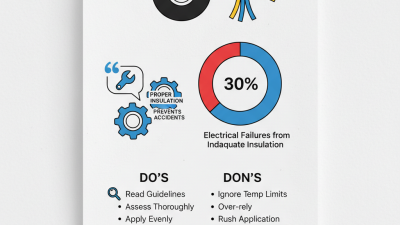
Choosing the right electrical tape is crucial for safety and effectiveness. Industry reports indicate that around 60% of electrical failures stem from using improper materials. Understanding the attributes of electrical tape is essential.
Consider the tape's voltage rating. Electrical tape typically handles up to 600 volts. However, specific applications may require higher tolerances. It's wise to know the voltage you work with to avoid hazardous scenarios. Factors like temperature range also matter. Most electrical tapes perform optimally in a range from -18°C to 85°C. Do you have extreme conditions? If so, specialized tape might be necessary.
Adhesive type varies among products. Many tapes use rubber-based adhesives, offering strong bonding. Others may employ acrylic, which has different temperature tolerances. Selecting the wrong adhesive can lead to premature failure or weak insulation. Aim for quality but remember that price shouldn’t be your only guiding factor. Cheaper options may not offer the longevity needed. Ultimately, consider your specific application and consult industry standards to guide your choices.
How to Choose the Right Electrical Tape for Your Needs? - Factors to Consider When Choosing Electrical Tape
| Factor |
Description |
Recommended Type |
| Voltage Rating |
Choose tape that can handle the voltage requirements of your application. |
High Voltage Electrical Tape |
| Temperature Resistance |
Consider the operating temperature range to ensure durability. |
High-Temperature Tape |
| Material |
Different materials offer various levels of insulation and adhesive strength. |
PVC or Cloth Tape |
| Adhesive Strength |
Ensure that the adhesive will bond well with the surfaces involved. |
Rubber Adhesive Tape |
| Width |
Choose an appropriate width for your project needs. |
Variety of Widths Available |
| Color Coding |
Use different colors for different applications to avoid confusion. |
Multi-Colored Tape |
Understanding Voltage Ratings in Electrical Tape
When selecting electrical tape, understanding voltage ratings is crucial. Voltage ratings indicate the maximum voltage an electrical tape can safely handle. This information helps you choose the right tape for your specific needs, whether it's for household repairs or more demanding industrial applications.
For low-voltage jobs around the home, a general-purpose tape may suffice. However, using a tape with a higher voltage rating can provide an extra layer of safety, especially in more complex electric setups. It’s essential to ensure the tape can withstand the operational voltage of your projects. Overlooking this can lead to electrical failures or hazards.
In professional environments, correct voltage ratings become even more critical. Different materials in electrical tape, such as vinyl or rubber, affect their ratings. Some tapes might seem perfect but may not perform well under stress. Always double-check the specifications. Investing in the right voltage-rated tape can prevent future issues and ensure reliable performance.
Temperature Resistance and Durability of Electrical Tape
When selecting electrical tape, temperature resistance and durability are crucial factors. According to industry standards, electrical tape can withstand a range of temperatures. Basic vinyl tape is rated for -18°C to 105°C. However, high-performance tapes can endure up to 180°C. Choosing the right tape for specific conditions can significantly affect performance and safety.
Durability is equally important. Electrical tape must resist wear, moisture, and UV exposure. A study by the International Electrotechnical Commission highlights that the longevity of electrical tape often correlates with its material composition. For example, rubber-based tapes exhibit better flexibility and adhesion over time compared to cheaper alternatives. This aspect is often overlooked and can lead to premature failure.
In real-world applications, the choice of tape directly influences maintenance costs and safety hazards. Many professionals have reported that subpar tapes fail in extreme temperatures and environmental conditions. This highlights the need for careful selection. Investing in high-quality electrical tape prevents frequent replacements and potential risks associated with electrical failures. Selecting the right tape requires assessing both temperature ratings and durability for optimal results.
Best Practices for Using Electrical Tape Safely and Effectively
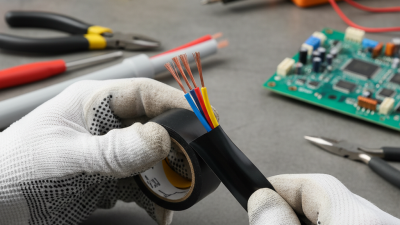
When using electrical tape, safety and effectiveness are paramount. Start by ensuring the surfaces are clean and dry. Dust and moisture can compromise the tape's adhesive properties. Wrap the tape tightly but avoid stretching it, as overstretching can weaken the tape and lead to failure. Use the right type for your project—some tapes are rated for higher voltages or special environments.
Regularly inspect the tape after application. It's not unusual for wear and tear to occur over time. If you notice fraying or lifting edges, it's time for a replacement.
Be cautious while applying tape near heat sources. Excessive heat may cause the adhesive to break down. Always store tape in a cool, dry place. Ultraviolet light and humidity can degrade its effectiveness.
Do not rush the job. Take your time to ensure proper application and adhesion. It’s easy to miss spots that could lead to electrical hazards later. Trust your instincts; if it doesn’t look right, it probably isn’t. Electrical tape is a helpful tool, but improper use can lead to serious consequences. Stay aware and proactive in your electrical projects.