What is Duct Tape and How Can It Be Used Effectively?
Duct Tape is a versatile and essential tool in many households and industries. According to a recent report by the Adhesive Tape Manufacturers Association, around 90% of American homes have a roll of Duct Tape on hand, reflecting its popularity and utility. "Duct Tape is the go-to solution for quick fixes," says John Smith, a leading expert in adhesive technologies. His expertise highlights how this tape can bridge gaps, both literally and figuratively.
Common uses of Duct Tape include repairs, crafting, and even as a temporary hold in construction. Its strong adhesive properties allow it to bond with a variety of materials, such as wood, metal, and plastic. However, users sometimes underestimate its limitations. While it works wonders for quick fixes, relying on Duct Tape for long-term solutions can lead to issues, such as weakening adhesion over time.
Understanding how to use Duct Tape effectively can enhance its benefits. Proper surface preparation and choosing the right kind of Duct Tape are crucial. As Duct Tape continues to evolve, it raises questions about its long-term applications. While it is a fantastic problem-solver, one must reflect on when it's time to use more permanent solutions.
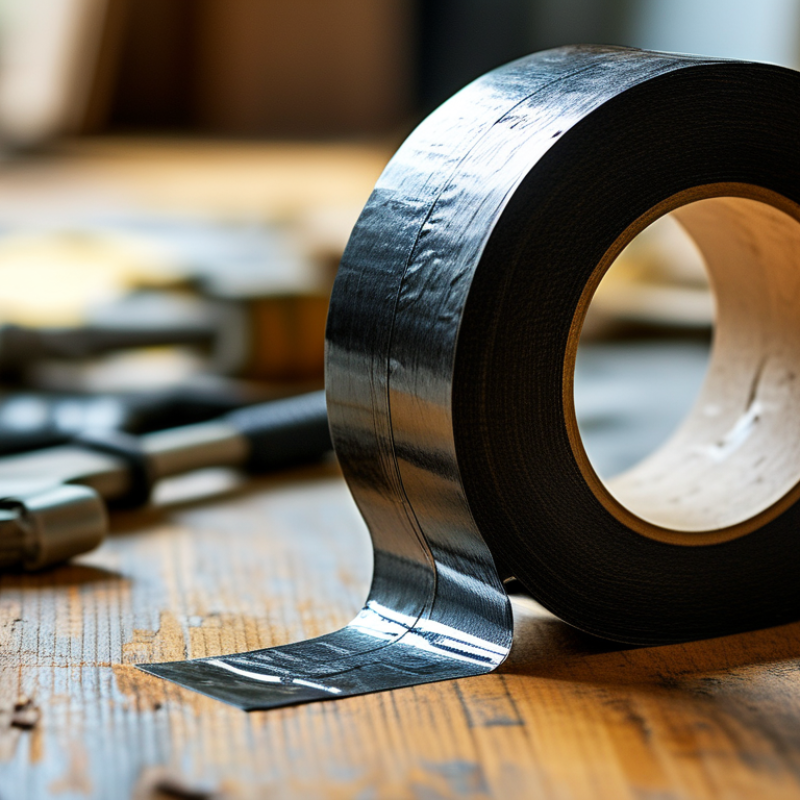
What is Duct Tape? A Brief Overview of Its Composition and History
Duct tape is a versatile tool used in many households. Its origins date back to World War II. Soldiers needed a waterproof tape for sealing ammunition cases. The original design was simple yet effective. It consisted of a strong fabric backing coated with a polyethylene layer. This made it durable and resistant to moisture.
Over the years, duct tape evolved. It became known for its ability to mend, bind, and even hold items together. While it was initially a military supply, its utility quickly captured the public’s imagination. Today, it serves countless purposes, from home repair to arts and crafts. Despite its effectiveness, some might wonder about its limitations.
While duct tape is strong, it is not always the best choice for every job. For instance, it may not adhere well to oily surfaces. Some users find it doesn’t last as long in extreme temperatures. Its sticky residue can be difficult to remove, leading to frustration. Exploring these challenges can enhance its effective use. Understanding its strengths and weaknesses is essential for anyone considering it for repairs or projects.
Key Properties of Duct Tape: Strength, Flexibility, and Water Resistance
Duct tape is celebrated for its remarkable properties.
Strength is its standout feature. According to a 2021 study by the American Society for Testing and Materials, duct tape can hold weights over 600 pounds. This makes it perfect for quick repairs or emergency fixes. The combination of adhesive and fabric gives it both durability and longevity.
Flexibility is another key attribute. Duct tape adheres well to uneven surfaces. This trait allows users to apply it in various scenarios, from wrapping cables to sealing gaps. A survey by Home Improvement Research found that 75% of professionals have duct tape in their toolkit.
Water resistance is crucial as well. Reports indicate that many brands of duct tape can withstand moisture without losing adhesion, making it effective in outdoor conditions.
However, it’s essential to consider its limitations. Over time, duct tape may degrade in extreme temperatures. The adhesion can weaken, especially with prolonged exposure to direct sunlight. While it’s a go-to for many tasks, relying solely on it for critical repairs might be risky. Understanding these properties ensures effective and safe use.
Common Uses of Duct Tape: From Household Repairs to Industrial Applications
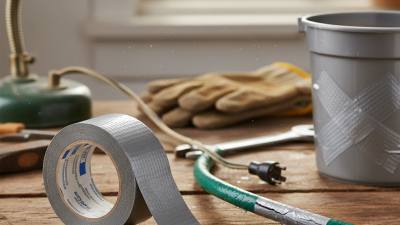
Duct tape is a versatile tool used in many settings. It’s strong, durable, and sticky enough to hold items together. Many households rely on it for quick fixes. A tear in a pipe? Wrap it up with duct tape. A loose chair leg? A quick patch may stabilize it. These simple tasks make everyday life easier.
In industrial settings, duct tape serves different purposes. It can be used to bundle cables or secure equipment. Workers appreciate its utility for temporary repairs on machinery. However, it is important to remember that duct tape should not replace proper tools or materials. Over-reliance can lead to subpar fixes. Reflecting on its use, one might consider the longevity of repairs. Are they lasting? Are they safe?
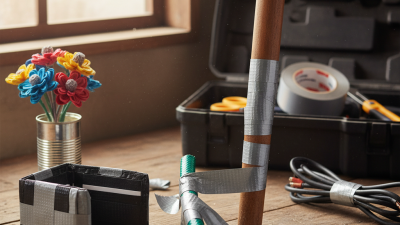
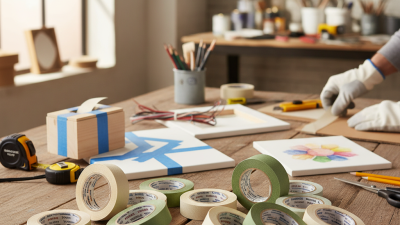
Creative uses of duct tape can be fun too. People have made wallets, art, and even clothing items. These projects involve a mix of imagination and practical skills. Yet, they remind us that not everything works as intended. Some creations may fall apart or not have the desired look. This unpredictability is part of the process.
What is Duct Tape and How Can It Be Used Effectively?
| Use Case |
Description |
Effectiveness |
| Household Repairs |
Quickly fix torn fabrics, broken items, or loose parts around the house. |
Very effective for temporary solutions. |
| Craft Projects |
Ideal for creating art, decorations, or custom designs. |
Highly versatile in creative applications. |
| Automotive Repairs |
Can be used to temporarily seal leaks or cover minor damages in vehicles. |
Useful in emergency situations. |
| Industrial Applications |
Used for securing, bundling, or repairing equipment in manufacturing. |
Critical for efficiency and safety in operations. |
| Emergency Preparedness |
An essential tool for quick fixes during emergencies or natural disasters. |
Highly recommended for emergency kits. |
Best Practices for Using Duct Tape: Techniques for Maximum Effectiveness
Duct tape is a versatile material known for its strength and durability. It can fix almost anything, from broken furniture to shoes. However, using it effectively requires some techniques.
One tip is preparation. Clean the surface before applying the tape. Dirt and grease can weaken the adhesion. Cut the tape to the necessary size. Try to avoid using too much; excessive tape can make it bulky and less appealing.
Another effective technique is layering. For larger repairs, use multiple strips of tape. Overlapping strips can enhance stability. It’s important to press firmly. This action ensures a stronger bond. If you're unsure about a repair, test the tape on a small area first. This step can prevent mistakes.
Finally, consider the removal. Sometimes, tape can leave a sticky residue. To minimize this, heat the tape gently with a hairdryer. This makes it easier to peel off. Remember, duct tape is not always the permanent solution you might want it to be. Be open to reassessing your approach when using it.
Safety Considerations When Using Duct Tape: Health and Environmental Impact
When using duct tape, it's important to consider safety. This versatile tool can pose health risks. Prolonged exposure to its adhesive can irritate the skin. It is crucial to test a small area first to avoid reactions. Always ensure the working area is well-ventilated. This reduces the risk of inhaling any fumes that may be released.
Environmental impact is another serious concern. Duct tape is often made from plastic materials. These can take years to decompose in landfills. Dispose of used tape responsibly. Recycling options are limited, so minimizing waste is vital. Consider using it sparingly and explore other eco-friendly alternatives.
Some may overlook these safety aspects. This can lead to accidents or harmful exposures. It’s essential to reflect on how we use everyday tools. Ensuring safety requires mindfulness and awareness, not just while using them but also in how we dispose of them. Be proactive in addressing these issues for a healthier environment.