What is Insulation Tape and How is it Used in Various Applications?
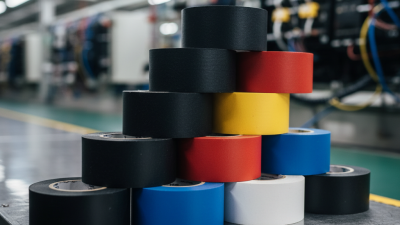
Insulation tape is a versatile material used across various industries. Its primary function is to provide electrical insulation and protection. Made from different materials, insulation tape can resist heat, moisture, and even chemical exposure. This quality makes it ideal for electrical work, automotive applications, and household repairs.
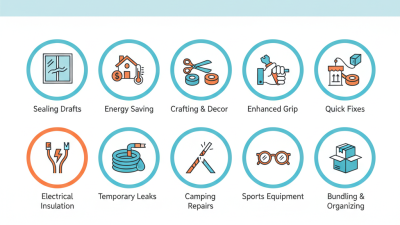
In electrical systems, insulation tape helps prevent short circuits and electrical shocks. It safely binds wires together, ensuring reliable connections. In the automotive sector, it secures wires from fraying. In homes, insulation tape is handy for sealing gaps and repairing minor issues. Each application showcases the tape's reliability and effectiveness.
Despite its benefits, users should be cautious. Choosing the wrong type of insulation tape can lead to failures. For instance, using standard tape in high-temperature environments can cause damage. Therefore, understanding insulation tape's specific applications is essential for optimal results.
What is Insulation Tape? Definition and Characteristics
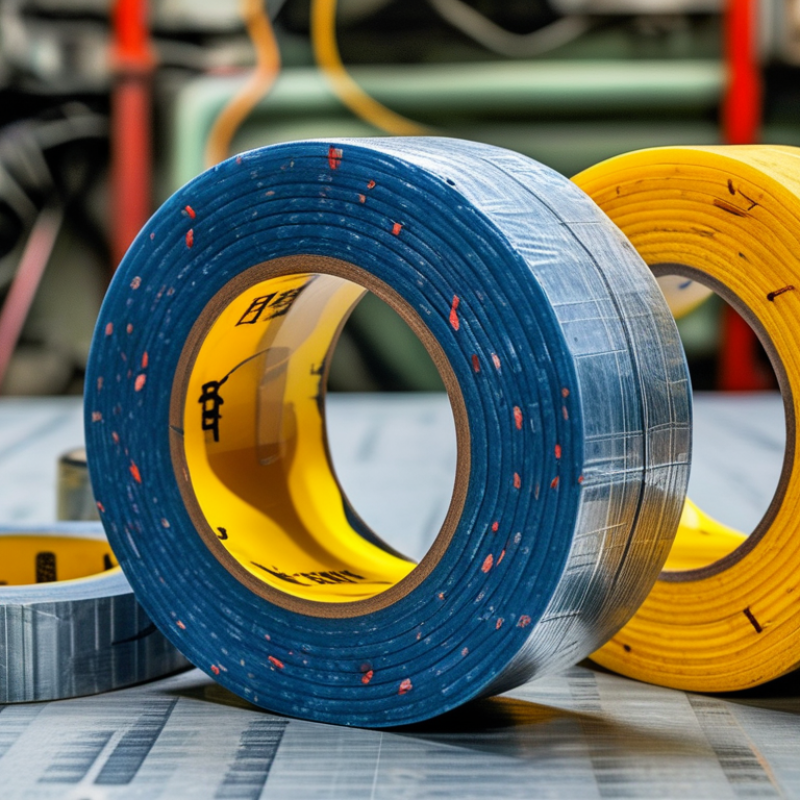
Insulation tape is a crucial component in electrical and construction industries. It is designed to insulate and protect wires and other electrically conductive materials. Typically made from PVC or rubber, insulation tape offers excellent dielectric properties, making it resistant to electricity and heat. According to the International Electrotechnical Commission (IEC), proper insulation can reduce short circuits by up to 80%.
The characteristics of insulation tape vary based on thickness, elasticity, and temperature resistance. For instance, standard electrical insulation tape can withstand temperatures from -10°C to 80°C. In contrast, high-temperature variants can endure up to 150°C. However, not all insulation tapes are suitable for every application. Some may become brittle over time, leading to potential failures. Therefore, it’s essential to select the right type based on specific project needs.
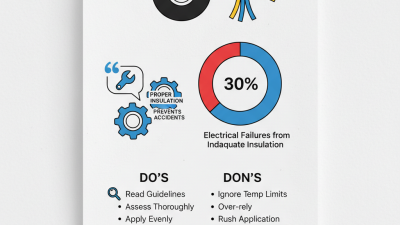
Insulation tape finds applications in various areas, including electrical wiring, automotive, and HVAC systems. In construction, improper tape usage can lead to safety hazards. Reports indicate that inadequate insulation contributes to 27% of electrical fires. This emphasizes the necessity for precision when choosing insulation products. Understanding the unique qualities of insulation tape ensures reliability and safety in its applications.
Types of Insulation Tape: Materials and Properties Comparison
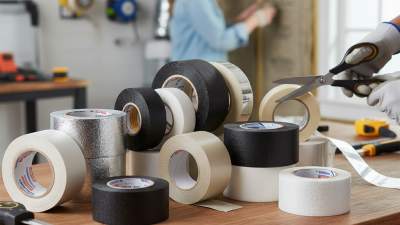
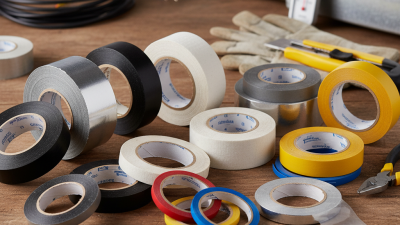
Insulation tape is essential in various applications, especially in electrical work. Different types of insulation tape are available, each with unique materials and properties. Knowing these can help you choose the right tape for your needs.
PVC insulation tape is popular. It’s flexible and resistant to moisture. This type is ideal for insulation on wires.
Then there’s rubber insulation tape, which offers excellent adhesion and durability. It can withstand high temperatures and harsh conditions. It’s often used in automotive and industrial applications.
Cloth insulation tape is another option. It’s less common but useful for specific applications. This tape has strong tensile strength and resists abrasion. However, it may not be suitable for high-voltage work. Understanding these differences is crucial. Each tape has strengths and weaknesses. Choose wisely based on the project requirements.
Common Applications of Insulation Tape in Electrical Work
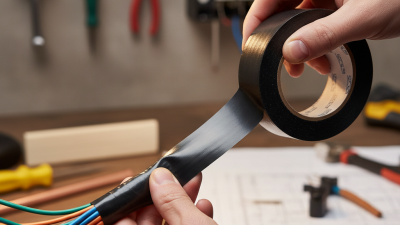
Insulation tape is crucial in the electrical industry. It provides protection against short circuits and electrical shock. Many professionals use it for splicing wires and insulating connections. The tape's dielectric properties are essential. They prevent current leakage, ensuring safety and efficiency in various applications.
In homes, insulation tape is used for securing wires and cables. It also protects against frayed edges. This tape is handy for temporary fixes. However, using it on permanent installations could lead to problems later.
Tips: Always clean the surface before applying insulation tape. This ensures better adhesion and effectiveness. When wrapping wires, overlap the tape slightly for complete coverage. Ensure a tight wrap to minimize gaps.
Improper use of insulation tape can lead to safety hazards. Some users apply it too loosely or in inappropriate situations. This could expose wires, leading to electric shocks. Regularly check your electrical work for wear and tear. Don't rely solely on tape for fixing exposed wires; proper upgrades may be necessary.
Regulatory Standards and Safety Considerations for Insulation Tape
Insulation tape plays a crucial role in various electrical and construction applications. However, its use comes with a strong emphasis on regulatory standards and safety considerations. The ANSI (American National Standards Institute) and ASTM (American Society for Testing and Materials) set guidelines to ensure products meet performance and safety benchmarks. For example, insulation tapes must exhibit high dielectric strength and temperature resistance, typically rated at 600 volts or more.
Safety considerations are paramount, especially when using insulation tape in electrical settings. Workers should be trained on proper applications and aware of the potential hazards. According to a report from the National Safety Council, electrical hazards account for approximately 8% of workplace injuries. The misuse of insulation tape can lead to short circuits and electrical fires. Therefore, it is vital to consider material quality and ensure compliance with safety standards.
Testing certifications, such as UL (Underwriters Laboratories), represent the reliability of insulation tapes. These certifications confirm that the tape can withstand specific environmental conditions. However, not all products are created equal. Users must assess their specific requirements and potential risks associated with improper use. Regular reviews of safety practices and material performance are essential to maintain a safe working environment.
Insulation Tape Usage in Various Applications
Performance Ratings: Temperature and Voltage Resistance in Insulation Tape
Insulation tape is an essential tool in various applications, primarily for electrical insulation. However, understanding its performance ratings is crucial. Temperature and voltage resistance determine how effective the tape will be in protecting wires and components. While most tapes can handle standard temperatures, high-performance options are necessary for extreme conditions.
When selecting insulation tape, consider the specific temperature range it can withstand. Many tapes function well in environments up to 80 degrees Celsius. But, in industrial settings, higher ratings often become essential. Voltage resistance is equally important. Some tapes are rated for lower voltages, while others can handle high-voltage applications without deteriorating.
It’s crucial to reflect on the importance of using the right tape. Misjudging temperature or voltage ratings can lead to failures. These failures may not be evident immediately, but they pose significant risks over time. Ensure thorough research on tape specifications before use. Sometimes, it’s better to choose a higher rating than necessary, ensuring long-term reliability.
What is Insulation Tape and How is it Used in Various Applications?
| Application |
Insulation Type |
Temperature Rating (°C) |
Voltage Rating (V) |
| Electrical Wiring |
Vinyl |
105 |
600 |
| Automotive |
Rubber |
80 |
250 |
| HVAC Systems |
Foil |
120 |
500 |
| Home Repair |
PVC |
90 |
300 |
| Industrial Applications |
Glass Cloth |
180 |
1000 |