Masking Tape remains a small-looking product with a surprisingly technical role in painting, automotive finishing, construction, packaging, and creative work. Behind every clean edge are choices involving paper strength, adhesive chemistry, temperature resistance, unwind control, and removal time. A roll that works beautifully on a dry wall may fail on powder-coated metal or dusty concrete.
This guide examines the Top 10 Masking Tape Manufacturers in the World through practical and measurable criteria. These include product consistency, surface compatibility, holding power, residue performance, manufacturing scale, technical support, and innovation. Market reputation matters, but it cannot replace testing. A familiar brand may still perform poorly under heat, humidity, or extended exposure.
Richard Drew, the 3M inventor associated with modern masking tape, expressed the core design principle in simple terms: “A useful tape must hold firmly, yet release cleanly.” That balance still shapes professional purchasing decisions today. It sounds simple. It is not.
The manufacturers featured here serve different markets and production needs. Some focus on precision automotive masking. Others specialize in industrial bonding, general painting, or sustainable paper carriers. Their strengths are not identical, and this ranking should not be treated as absolute. I may also overlook regional producers with excellent niche products. That limitation deserves attention.
Readers should compare technical datasheets, sample rolls, storage requirements, and independent user feedback before selecting a supplier. The best Masking Tape manufacturer is not always the largest. It is the one that delivers predictable results for a defined surface, process, and working environment.
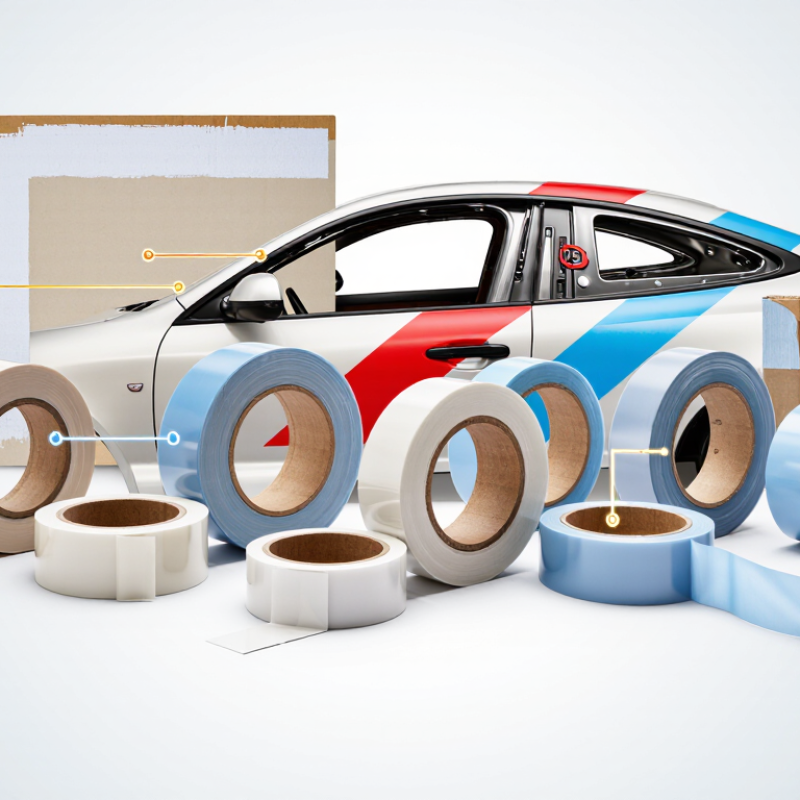
The global masking tape market was estimated at roughly USD 5.5 billion in 2024. Forecasts suggest it could reach about USD 7.2 billion by 2030. That represents an estimated CAGR near 4.6%, although figures differ across research firms.
Demand remains strong in painting, automotive finishing, construction, packaging, and light industrial work. Professional users increasingly require clean removal, stable adhesion, and resistance to heat or moisture. Manufacturers are also developing thinner backing materials and lower-residue adhesives. These changes can reduce waste during daily operations.
Market rankings are not completely straightforward. Some companies report masking tape revenue separately, while others combine it with broader adhesive products. This makes “top 10” lists useful, but not perfectly comparable. A careful review should examine production capacity, regional distribution, technical certifications, product consistency, and customer support. One weakness in many forecasts is their dependence on estimated sales data.
Tips: Compare tape performance under real conditions. Test a small strip on painted metal, glass, or drywall before large-scale use. Check removal time, surface temperature, and residue after application.
Asia-Pacific is expected to remain a major growth region through 2030. Expanding construction activity and vehicle production are supporting demand. North America and Europe continue to value specialty tapes with precise adhesion and safer material profiles. Prices may rise when raw material costs, energy expenses, or transport conditions change. Forecasts should therefore be treated as planning tools, not guaranteed outcomes.

Top 10 Masking Tape Manufacturers in the World?
Ranking the world’s top ten masking tape manufacturers requires more than name recognition. Revenue is a useful scale indicator, but it should come from audited reports or verified company records. Numbers can mislead. A large turnover may include unrelated products. Therefore, tape-specific revenue deserves greater weight during evaluation.
Production capacity should be checked through machine counts, coating lines, annual output, and realistic utilization rates. Factory observations matter. A huge stated capacity means little when delivery schedules remain unstable. Export reach can be measured through destination markets, shipment consistency, distributor coverage, and customs documentation. Geographic spread shows resilience, yet it does not automatically prove strong customer service.
ISO 9001 should be verified through certificate scope, issuing body, validity, and actual plant practices. A certificate alone is not enough. Auditors should examine batch records, adhesive testing, complaint handling, and corrective actions. A practical scoring model may assign 25% to revenue, 30% to production capacity, 25% to export reach, and 20% to ISO 9001 evidence. This model is useful, but not perfect. Energy use, product consistency, and regional lead times also deserve review. Some smaller producers may outperform larger competitors in specialized applications. That possibility should remain visible.
A useful comparison should examine product range and regional market share together. The ten leading manufacturers serve different industrial needs. Their portfolios commonly include general-purpose crepe tape, fine-line automotive tape, high-temperature tape, washi tape, and double-sided solutions. Some also supply medical, construction, painting, and packaging grades. Product depth matters. A broad catalog can support distributors, factories, and professional contractors across several markets.
Regional strength creates clearer differences. East Asian manufacturers often lead in high-volume production and export coverage. European suppliers show strong positions in automotive, industrial, and sustainable masking applications. North American producers compete through contractor-focused products and large distribution networks. Several companies hold growing shares in South Asia, Latin America, and the Middle East through local partners. Market share estimates still vary by source, shipment value, and product category.
A serious top-ten review should compare coating consistency, adhesion control, temperature resistance, clean removal, and available widths. Technical support also influences repeat purchasing. In field use, a tape that removes cleanly can save hours of repainting. Small failures become expensive on large projects. However, no ranking is completely fixed. Private sales data remains limited, and regional reports sometimes measure imports instead of final consumption. That weakness deserves attention. A manufacturer may appear smaller while serving major customers through contract production or regional subsidiaries. Reliable buyers should check current specifications, testing records, and local supply stability before choosing a supplier.
A serious comparison starts with measurable performance, not attractive packaging. ASTM D3330 can assess peel adhesion, while ASTM D3654 evaluates holding power under a steady load. These tests help compare masking tapes under controlled conditions. However, laboratory results do not perfectly predict every workshop or factory surface. Dust, paint age, humidity, and application pressure can change the outcome.
Adhesion must be strong enough to prevent paint bleeding, yet controlled enough for clean removal. On a painted metal panel, a reliable tape should form a firm edge without tearing during removal. Heat resistance also deserves close attention. Some applications involve drying ovens, sunlight, or warm machinery. Test temperature, exposure time, and surface type should appear clearly in technical documents. A tape rated for 80°C may perform differently after two hours than after ten minutes.
Clean removal is often the hardest requirement. Residue can appear when tape remains applied too long, especially on soft coatings or dusty surfaces. Experienced buyers should request independent test data, sample rolls, and application guidance from manufacturers. Peel strength alone is not enough. I have seen tapes with excellent adhesion leave unwanted residue after extended exposure. That result needs investigation, not excuses. Comparing suppliers through consistent trials gives a more reliable view of quality, technical support, and production stability.
Masking tape serves more than household painting. Buyers use it in automotive refinishing, electronics assembly, construction, packaging, and surface protection. Each application demands different performance. A tape for curved vehicle panels may need clean removal and flexible backing. A tape for powder coating may require heat resistance, sharp paint lines, and stable adhesion.
Global buyers should assess manufacturers through measurable evidence, not product claims alone. Request technical data for peel adhesion, tensile strength, shear holding power, temperature tolerance, and residue after removal. Ask for batch traceability and independent test reports. Sustainability metrics also matter. Review recycled content, renewable materials, solvent use, production emissions, water consumption, and packaging weight. Certifications can support confidence, but they should match the product and factory scope.
A lower-carbon tape is not automatically the better choice. If it fails early, replacement waste may rise. This is easy to overlook. Evaluate service life, application efficiency, and disposal conditions together. Suppliers should explain whether their figures use audited data, estimates, or incomplete inventories. Be cautious with vague “eco-friendly” language. It often lacks boundaries.
Selection should include sample trials under real working conditions. Test dusty walls, painted metal, humidity, and temperature changes. Record removal time and surface damage. Cost per roll is a weak comparison. Cost per successful application is more useful. Manufacturing capacity, delivery reliability, technical support, and responsible sourcing complete the assessment. Mistakes still happen, especially when laboratory results replace field experience.