How to Use Duct Tape for Home Repairs and Projects?
Duct Tape is often underappreciated. Many households have a roll stuffed away in a drawer. However, its potential for home repairs and projects is vast. This versatile tool can mend, bind, and create solutions to everyday problems. From unexpected leaks to furniture repairs, Duct Tape can come to the rescue.
Using Duct Tape requires creativity and practicality. For instance, a torn screen door can be easily fixed with a simple strip of Duct Tape. However, we should consider the long-term implications. While a quick fix may resolve the immediate issue, it could lead to reinvestment in repairs later. Reflect on each use: is it truly a solution or just a stopgap?
As we dive deeper into the world of Duct Tape, we will explore its applications. There are countless projects where it shines. Whether you are a DIY enthusiast or just tackling household chores, Duct Tape can be a reliable ally. Understanding its limitations is crucial. Embrace its strengths, and be mindful of when it's time to seek more permanent solutions.
Understanding the Versatility of Duct Tape in Home Repairs
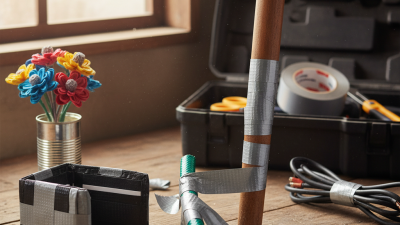
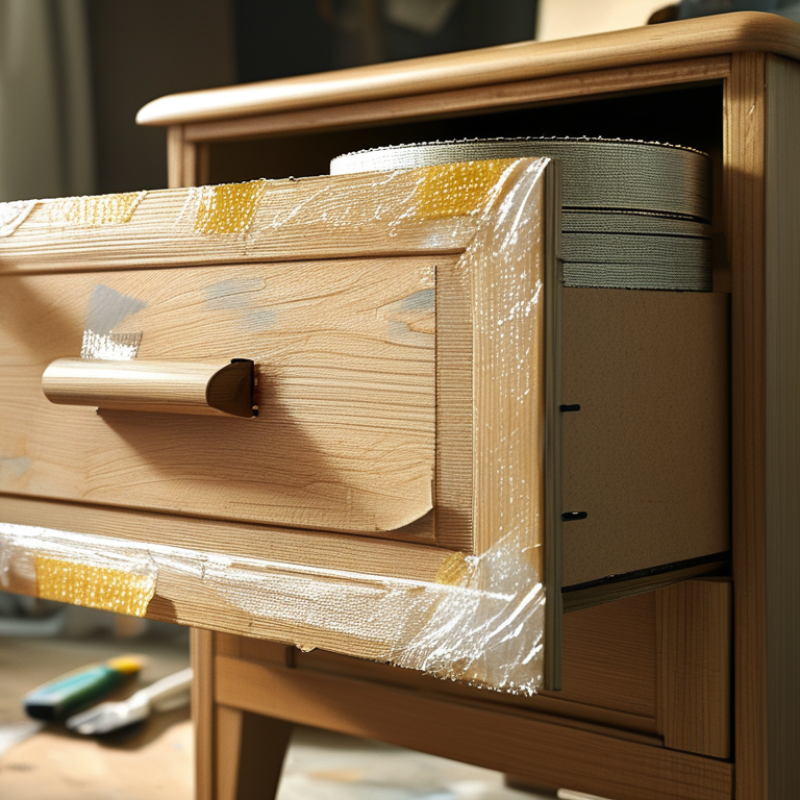
Duct tape is a staple in many households due to its unmatched versatility. It can mend broken items, seal leaks, and even act as a temporary hold for furniture repairs. This adhesive marvel is effective for quick fixes, whether it's a torn screen or a loose table leg. Its strong and flexible nature allows it to conform to various surfaces, making it ideal for diverse projects around the home.
However, while duct tape is handy, it is not without limitations. For instance, it may not hold up well in extreme temperatures or high moisture areas. This means it can be less effective in outdoor applications. Additionally, over time, the adhesive can break down, leaving a sticky residue that’s tough to clean. Users often find themselves needing to replace duct tape more frequently than expected for long-term solutions.
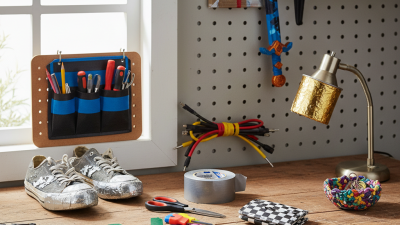
In experimenting with duct tape, one may uncover creative uses that exceed initial expectations. DIY enthusiasts have transformed it into decorative items or even functional tools. Reflecting on these projects can lead to a better understanding of when and how to apply this unique tape effectively. Adaptability is key in home repairs; sometimes, duct tape is the perfect quick fix, and other times, it may only be a stopgap measure.
Essential Tools and Materials to Use with Duct Tape
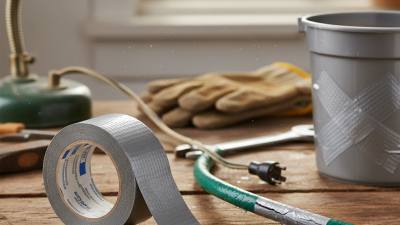
When planning home repairs with duct tape, it's crucial to gather essential tools and materials. Scissors or a utility knife are needed for precise trimming. A measuring tape helps ensure you cut the right length. These tools complement duct tape well. Consider using a writing tool to label areas that require repair. This step helps clarify your projects.
In addition to these tools, a sturdy surface to work on is vital. A work table or a clean floor can make tasks easier. Having a clean workspace reduces mistakes. While duct tape is versatile, it might not stick perfectly on all surfaces. Test a small area first. If the adhesion is weak, prepare the surface by cleaning it. Sometimes, imperfections arise, leading to reapplication. Be patient and open to adjustments during the process. Each project offers learning opportunities.
Step-by-Step Guide to Common Duct Tape Repairs
Duct tape is a versatile tool for home repairs. It can fix just about anything temporarily. However, it’s important to consider its limitations. Permanent fixes often require more than just tape. Let’s explore some common repairs you can tackle.
Start with small tears in fabric. A quick strip of tape can hold until you sew it. Make sure to clean the area first. This ensures better adhesion. Remember, though, that prolonged use might not withstand washing. For broken furniture, wrap the damaged area tightly. This adds stability but looks far from perfect. Consider painting over it later.
For plumbing leaks, duct tape offers a temporary solution. Wrap it around the leaking pipe tightly. However, this is not a lasting fix. It’s crucial to schedule a plumber for proper repairs. Always assess the overall condition of what you're fixing. Sometimes, duct tape can be a short-term bandage for a larger problem. Keep this in mind as you tackle your projects.
Common Duct Tape Uses for Home Repairs
Creative Home Projects That Utilize Duct Tape
Duct tape is not just a quick fix; it sparks creativity in home projects. With its strong adhesive and versatility, homeowners are finding innovative uses for it. According to a report by the Home Improvement Research Institute, nearly 65% of DIY enthusiasts use duct tape regularly. This tape can repair furniture, create art, or even redesign home decor.
Consider making custom coasters. You can easily cut pieces from a sturdy base and wrap them with colorful duct tape. Not only is this project simple, but it also allows for personalization according to your style. Another idea is to create wall art. Use various colors of duct tape to form geometric shapes or patterns. This trend has gained traction, with a survey indicating that 40% of homeowners have decorated with non-traditional materials like duct tape.
However, there can be issues. Duct tape can leave residue on surfaces. It may not adhere well to all materials. Experimentation is essential to find the right combination of surface and tape type. The world of duct tape projects is a blend of creativity and practical application, leaving room for learning and improvement.
Safety Tips and Best Practices When Using Duct Tape
When using duct tape for home repairs, safety is paramount. Always clean the surface thoroughly before application. Dirt, dust, or grease can weaken the tape’s adhesion, leading to future problems. Ensure you are in a well-ventilated area. Some adhesives can emit fumes that irritate the lungs. If the tape is exposed to moisture, it may not stick properly. Be cautious about the type of surfaces you are using it on. Painted or delicate materials may get damaged when you remove the tape.
Using duct tape according to best practices requires attention. Avoid using it in situations that may cause injury or damage. For example, using duct tape to fix electrical wires may lead to severe risks. It’s important to reconsider when and where you apply it. If you find the tape lifting after a few days, don't ignore it. This can signal a need for a more permanent repair solution. Regularly inspect your projects to avoid sudden failures. While duct tape is versatile, it isn't infallible. Knowing its limits is essential for safe and effective usage.