
Leave Your Message

What Is Clear Packing Tape Used For?

Clear Packing Tape is often treated as a simple household supply. In practice, it supports shipping, storage, labeling, and everyday repairs. Its transparent film protects cartons while keeping printed surfaces visible. That small advantage matters when addresses, product names, or handling marks must remain easy to read.

Packaging consultant Ian Samuel explains, “Clear packing tape works best when its adhesive matches the carton, surface condition, and shipping environment.” This practical view prevents a common mistake: assuming every transparent tape performs equally. A strong tape can seal a corrugated box securely, but weak cardboard fibers, dust, moisture, or uneven pressure can reduce its grip. Even the best roll has limits.

This guide explores what Clear Packing Tape is used for, from sealing moving boxes to bundling lightweight items. It also considers storage, application technique, tape width, and adhesive strength. Press the tape firmly across the center seam. Extend it several centimeters beyond each edge. Smooth out trapped air.

The process is not flawless. Some boxes still reopen because the cardboard is crushed or overloaded. That detail is easy to overlook. Clear tape can reinforce packaging, but it cannot correct poor box selection or careless packing. Readers will learn where this tape performs reliably, where another packaging solution may work better, and how small application choices affect durability. Each use should be judged by the parcel’s weight, surface, handling conditions, and required visibility.

What Is Clear Packing Tape Used For?

What Clear Packing Tape Is and How It Works

Clear packing tape is a transparent plastic film coated with a pressure-sensitive adhesive. It sticks when pressed, rather than activated by water or heat. The film supplies strength, while the adhesive fills tiny surface gaps. This creates contact across cardboard, paper, and some smooth plastics. Its transparency keeps shipping labels, handwritten notes, and package surfaces visible.

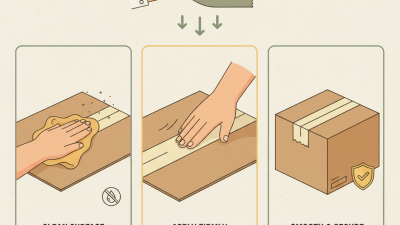
In practical use, the tape works best on clean, dry cardboard. I press the center first, then smooth toward the edges to reduce air pockets. A firm overlap strengthens the carton seam. Moderate tension helps, but excessive stretching can make the tape curl or lift later. Clear tape also protects folded edges from dust and light moisture during ordinary handling. It does not make a box waterproof.

Temperature changes matter. Cold surfaces can weaken adhesion, while dusty cartons prevent full contact. I once taped a box immediately after moving it from a damp storage area. The seam looked secure, but one corner opened overnight. That mistake showed me that pressure cannot replace surface preparation. Tape thickness, adhesive type, and storage conditions also affect performance. Some tape appears strong but tears easily when pulled from a sharp edge. Others hold well but leave residue after long storage. Testing a short strip first is sensible, especially when the package contains delicate or heavy items.

Common Uses for Sealing Boxes and Shipping Packages

What Is Clear Packing Tape Used For?

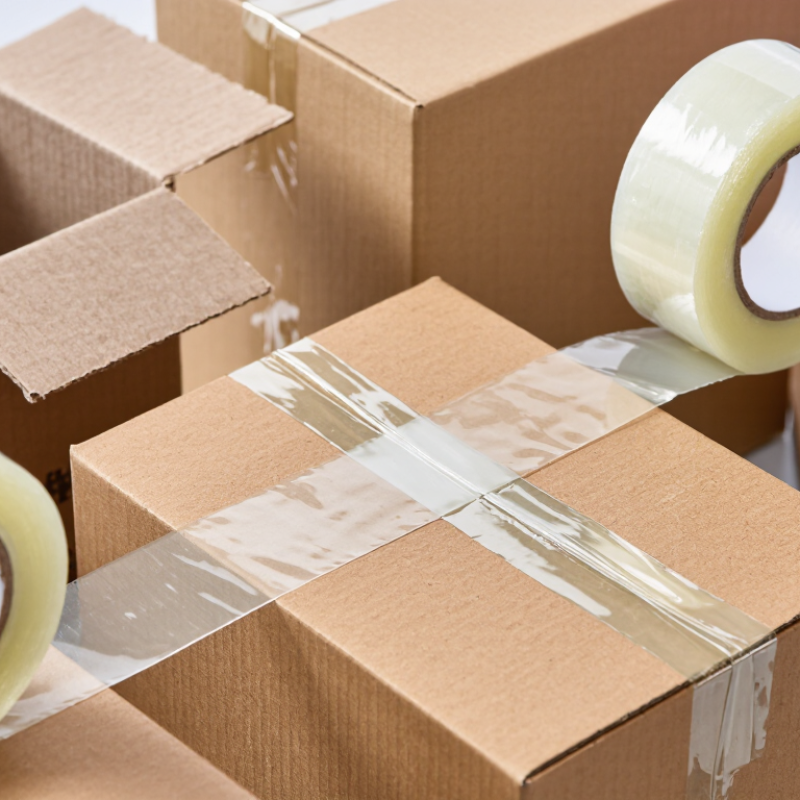
Clear packing tape is mainly used to seal boxes and shipping packages. Its strong adhesive bonds corrugated cardboard flaps during storage and transport. The transparent film keeps labels, handwritten notes, and carton markings visible. In packing rooms, I often use an H-shaped seal across the center and edges. This method reduces open seams and supports cleaner handling. Do not tape over barcode areas.

Online retail makes reliable package sealing increasingly important. The U.S. Census Bureau reported approximately $1.1187 trillion in U.S. e-commerce sales during 2023. That represented about 15.4% of total retail sales. The Pitney Bowes Parcel Shipping Index recorded 161.9 billion parcels worldwide in 2023. These figures show why simple carton security still matters. Clear tape also closes envelopes, bundles small cartons, and protects folded documents from dust. It works well for routine shipping tasks.

Apply the tape to clean, dry cardboard. Press along the seam with firm, even pressure. For heavier boxes, use reinforced tape or additional sealing passes. Cold, dusty surfaces can weaken adhesion. So can recycled cardboard with loose fibers. One practical detail is often missed: a tape dispenser creates straighter seals and reduces wasted length. Still, tape is not a cure for an overloaded carton. I have seen carefully sealed boxes fail because the bottom panel carried too much weight. That mistake deserves review.

Household, Office, and Storage Applications

What Is Clear Packing Tape Used For?

Clear packing tape is a practical tool for household, office, and storage tasks. At home, it seals moving boxes, repairs torn wrapping paper, and protects labels from splashes. A clean, dry surface matters. Dust can weaken the bond quickly. For small parcels, press the tape firmly across every seam, including the corners.

In offices, clear tape secures envelopes, document folders, and light paper notices. It also helps preserve handwritten labels on archive boxes. The U.S. Environmental Protection Agency reported 82.2 million tons of containers and packaging in its 2018 municipal waste data. That figure shows why careful material use matters. Use only enough tape to hold the package closed. Excess layers create waste and can make sorting more difficult.

Storage applications require stronger judgment. Clear tape can close seasonal clothing boxes, kitchen containers, and craft supplies. Apply a short strip to loose lids or label edges. Avoid taping directly onto delicate wood, painted walls, or old photographs. Adhesive residue may remain. I have found that testing one hidden area first prevents an annoying repair later. Tape is useful, but it is not a universal fix. Its clarity also creates a small problem: overuse can go unnoticed. The Sustainable Packaging Coalition has repeatedly emphasized designing packaging for recovery, so removable labels and moderate tape use deserve attention. Keep boxes dry, mark their contents clearly, and replace tape when the edge begins lifting.

How to Choose Clear Packing Tape for Different Tasks

Clear packing tape is useful for sealing cartons, protecting labels, bundling lightweight items, and repairing torn packaging. Its transparent film keeps printed information visible while adding a clean protective layer. However, choosing the right tape matters more than its appearance. A tape that seals a small stationery box may fail on a heavy moving carton.

Check the carton’s weight, surface, and storage conditions before buying. Thicker tape usually offers better tear resistance and support for heavier boxes. For dusty or recycled cardboard, choose an adhesive designed for uneven fibers. Smooth plastic may need a different formula. If parcels face cold warehouses, heat, or humidity, select tape rated for those conditions. I have found that rushing this choice causes lifted edges and split seams. Clear tape is not automatically strong tape.

Tips: Press the tape firmly along the entire seam. Leave several centimeters extending over each edge. Use a dispenser for straight, even application. Test one sealed box first. Watch the corners. Store unused rolls away from direct sunlight and moisture. Avoid stretching the tape too aggressively, because tension can pull it back from the carton. For fragile contents, combine suitable tape with proper cushioning and a correctly sized box. No tape fixes poor packing.
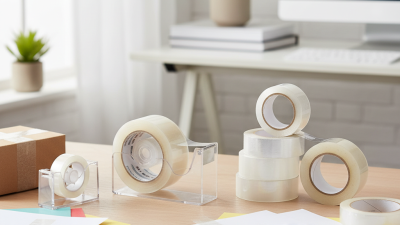
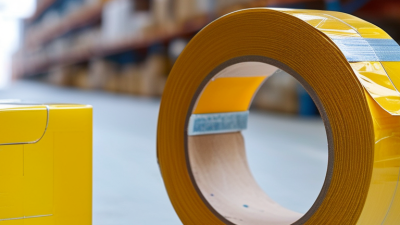
Best Practices for Applying and Removing Clear Packing Tape

What Is Clear Packing Tape Used For?

Best Practices for Applying and Removing Clear Packing Tape

Clear packing tape seals cartons, reinforces seams, and protects shipping labels from moisture and abrasion. Its value depends on application, not appearance. In 2024, the U.S. Census Bureau reported approximately $1.19 trillion in annual retail e-commerce sales. That volume increases pressure on every carton closure. A loose edge can create damage, delays, and unnecessary repacking.

Use a clean, dry carton surface. Close the flaps evenly before applying tape. Press the tape from the center outward, removing wrinkles and trapped air. Extend it several centimeters over each edge. For heavier cartons, seal the main seam and add a perpendicular strip. Do not treat tape as a cure for a weak carton. ASTM D5486 provides performance classifications for pressure-sensitive packaging tapes, but real conditions still matter. Temperature, dust, carton fibers, and storage time can change adhesion.

Removal needs patience. Cut along the seam with a guarded blade, away from hands and contents. Pull the tape slowly at a low angle. Fast pulling often tears the outer carton layer. I still see this mistake during hurried warehouse work. Test a small area first, especially on recycled board. The U.S. Environmental Protection Agency reported 67.4 million tons of paper and paperboard packaging generated in 2018. Preserving usable cartons supports better material efficiency, although tape residue can complicate reuse. A slightly slower removal is often the cleaner choice.

What Is Clear Packing Tape Used For? - Best Practices for Applying and Removing Clear Packing Tape

Application or Task Typical Tape Specification Best Application Practice Recommended Removal Method Important Limitation
Sealing corrugated shipping cartons Approximately 48–50 mm wide; 45–65 m roll length is common for hand-use rolls Close the flaps evenly, center the tape over the seam, and press firmly along the full length. Lift a corner and pull slowly back over itself at a low angle. Not a substitute for strapping or reinforced tape when boxes are very heavy.
Bundling lightweight items Approximately 25–50 mm wide; thin polypropylene or similar film backing Wrap with moderate tension and overlap the tape by about half its width for a stable bundle. Cut the tape with scissors or a safety cutter instead of pulling against the contents. Excessive tension can crush soft packaging or deform thin materials.
Protecting labels and documents Clear film with a smooth surface; width selected to cover the label without excessive overlap Apply to clean, dry paper and smooth from the center outward to reduce wrinkles and air pockets. Use a fingernail or plastic scraper to start the edge, then peel gradually. Adhesive may tear paper fibers or leave residue on delicate documents.
Temporary household repairs General-purpose clear packing tape; a wider roll provides better surface coverage Clean and dry the surface, test a small area, and apply without stretching the tape. Warm the tape slightly with a hair dryer on a low setting, then peel slowly. Do not use as a permanent repair for electrical, structural, pressurized, or high-temperature items.
Sealing plastic mailers and poly bags Approximately 48–50 mm wide; flexible film backing helps conform to smooth surfaces Remove dust and moisture, fold the opening flat, and press the tape onto the full contact area. Peel from one corner while supporting the plastic underneath. Low-energy plastics and textured surfaces may reduce adhesion.
Surface protection during short-term storage Low-residue or removable tape is preferable when available; standard packing tape may bond strongly over time Test compatibility on an inconspicuous area and avoid prolonged exposure to heat or sunlight. Peel slowly at approximately алы? 30–45 degrees; use mild adhesive remover only after a surface test. Long dwell times can increase residue and may damage painted or finished surfaces.
Preparing cartons for moving or storage Approximately 48–50 mm wide; choose a stronger grade for heavier contents Use the “H-seal” pattern: tape the center seam and both flap edges for added closure security. Slice along the seam with a carton cutter while keeping the blade shallow. Avoid cutting directly toward contents, and do not rely on tape to repair severely damaged cartons.
General application guidance: For best adhesion, apply clear packing tape to a clean, dry surface at room temperature. Press the tape firmly to remove air gaps, and test removal on a hidden area before using it on finished, painted, printed, or delicate surfaces.