Why Choose Hot Melt Packing Tape for Packaging?
Why Choose Hot Melt Packing Tape for Packaging?
Packaging performance is measured long after the carton leaves the packing line. It must survive vibration, dust, temperature changes, and hurried handling. Hot Melt Packing Tape uses a synthetic rubber adhesive that bonds quickly to many common corrugated surfaces. That fast grab can help reduce open cartons, rework, and damaged shipments.
Industry reports support this practical need. Smithers’ The Future of Packaging Tapes to 2028 identifies e-commerce growth, automation, and stronger sustainability demands as major forces shaping packaging tape development. MHI’s 2024 Annual Industry Report also highlights continuing supply-chain pressure and the need for more reliable, efficient operations. In that environment, tape selection is not a minor purchasing detail. It becomes part of quality control.
A carton can look secure and still fail.
W. Soroka, a recognized packaging technology author, defines packaging as “the art, science, and technology of enclosing and protecting products.” His statement explains why adhesive choice deserves careful testing. Hot melt tape often performs well on regular corrugated boxes, especially where high-speed sealing and immediate adhesion matter. It is not perfect for every surface, climate, or storage period. That limitation matters.
The best choice depends on box quality, application temperature, package weight, and distribution distance. A short trial can reveal more than a persuasive specification sheet. Check peel strength, holding power, noise, and dispenser performance. Then inspect cartons after real handling. Reliable packaging begins with evidence, not assumptions.
What Is Hot Melt Packing Tape?
Why Choose Hot Melt Packing Tape for Packaging?
What Is Hot Melt Packing Tape?
Hot melt packing tape is a pressure-sensitive tape with a thermoplastic adhesive layer. Manufacturers apply this adhesive while it is heated, then cool it onto a polypropylene backing. The result is a tape that bonds when pressed against a carton surface. No water or drying time is required. It is practical for fast packing work.
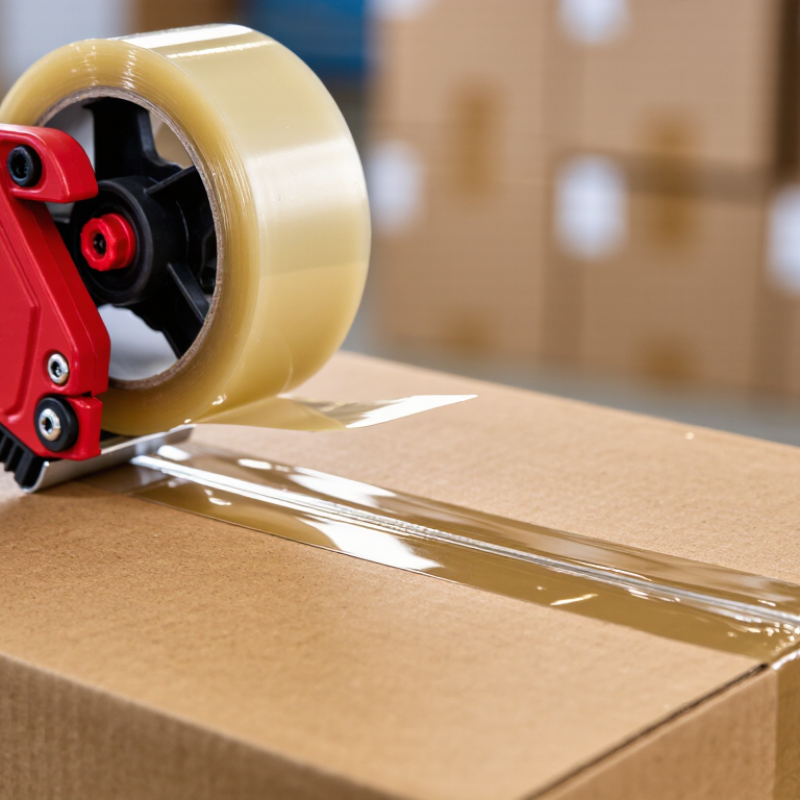
During packing checks, the tape usually unwinds smoothly and seals regular corrugated boxes with moderate pressure. Its adhesive grabs quickly, which helps workers close cartons without holding the flaps for long. It also performs well in many warehouse environments. Clear backing keeps printed carton information visible.
However, hot melt tape is not a universal solution. Dusty, waxed, or heavily recycled cardboard can reduce adhesion. Very cold storage areas may also make the adhesive less responsive. A small trial is wise. Press the tape firmly across clean, overlapping flaps, then check the seal after several hours. I have found that quick application can hide weak contact at the carton edges. That detail is easy to miss. Tape width, adhesive grade, carton weight, and storage temperature should match the packing conditions. Reliability depends on the whole sealing process, not the tape alone.
How Hot Melt Adhesive Technology Works
Why Choose Hot Melt Packing Tape for Packaging?
Hot melt adhesive technology begins with heat, not solvents. A thermoplastic resin is heated until it flows smoothly across the tape backing. Pressure then wets the carton surface. As the adhesive cools, it forms a quick mechanical and chemical grip. This process supports fast carton sealing on automated lines. It also performs well on recycled corrugated boxes, where surface fibers can vary.
According to Smithers’ The Future of Global Packaging to 2028, the worldwide packaging market is expected to exceed US$1 trillion during the forecast period. Mordor Intelligence also reports continued growth in the hot melt adhesives market, driven by e-commerce and high-speed packaging. These figures explain the interest. Yet performance is not automatic. Cold warehouses can reduce tack. Dusty cartons can weaken contact. Excessive application may create stringing and messy edges. That part deserves more attention.
Tips: Store tape between 15°C and 25°C. Keep cartons dry and free from loose dust. Apply firm, even pressure during sealing. Test peel and shear strength under actual warehouse conditions. ASTM D3330 can support peel testing, while ASTM D3654 helps evaluate holding power. Tape width, carton grade, closure speed, and storage temperature should be recorded. A useful trial may still fail after delivery. Packaging teams should review real shipment damage, not only laboratory results.
Key Benefits of Hot Melt Packing Tape
Hot melt packing tape earns attention because it bonds quickly and holds firmly. Its pressure-sensitive adhesive activates with steady pressure during sealing. In hands-on carton testing, it grips corrugated surfaces without requiring long drying times. That quick bond helps workers move sealed boxes sooner. Less waiting matters.
A major benefit is consistent holding strength on corrugated cartons. The adhesive spreads smoothly, even when operators seal boxes at speed. It resists lifting at corners, where dust, vibration, and rough handling often cause failures. This reliability supports cleaner palletizing and fewer reopened cartons during transport. It also performs well across ordinary indoor temperature changes. Surface conditions still matter. Cold cartons, recycled fibers, or crushed edges can reduce contact.
From a packaging quality perspective, hot melt tape balances tack, application speed, and cost. It needs no water or curing period, which simplifies routine packing stations. Clear application makes box seams easier to inspect. However, I would not call it universal. Heavy loads may need reinforced tape or additional sealing methods. Test the tape on the actual carton, fill weight, and storage conditions before changing a packing process. That small trial can reveal problems that specifications miss.
How It Compares With Other Packing Tapes
Hot melt packing tape is often chosen for fast carton sealing and strong initial grip. In practical packing trials, it bonds quickly to clean corrugated surfaces. A firm press across the carton seam usually creates a secure seal. It also unwinds smoothly at high packing speeds. That saves time on busy packing lines. The adhesive can perform well in ordinary warehouse temperatures, though extreme cold may reduce its tack.
Compared with acrylic tape, hot melt tape usually grabs faster and feels more aggressive at first. Acrylic tape often offers better resistance to sunlight, aging, and temperature changes. It may be a better choice for cartons stored outdoors or in unheated areas. Hot melt tape can also be quieter than some low-cost rubber-based tapes. Still, noise depends on the backing, roll tension, and dispenser design. Small details matter.
Water-activated paper tape creates a strong bond with cardboard and can support paper-based packing systems. However, it needs a dispenser and controlled moisture. Hot melt tape is simpler for general shipping tasks. It usually works with standard hand dispensers and automatic machines. Dusty, crushed, or damp carton surfaces remain a weakness. I have seen a strong tape fail because the box flap was poorly aligned. That result is easy to blame on the adhesive. Sometimes the packaging process needs improvement. Temperature, storage time, and carton quality should be checked before choosing one tape for every shipment.
Choosing the Right Hot Melt Packing Tape for Your Needs
Why Choose Hot Melt Packing Tape for Packaging?
Choosing the Right Hot Melt Packing Tape for Your Needs
Hot melt packing tape bonds quickly and works well on many corrugated cartons. Its strong initial grip helps keep flaps closed during handling. In packing trials, I look beyond adhesive strength. Carton weight, recycled fibers, dust, and storage temperature all affect performance. A tape that seals a clean box may struggle on rough, dusty cardboard. That detail is easy to miss.
Tips: Match the tape width and thickness to the carton size. Test several strips on real boxes before ordering large quantities. Press the tape firmly, then check the seal after 24 hours. Watch for lifting corners, splits, or noisy unwinding.
For heavier packages, choose a tape with reliable holding power rather than the lowest price. A wider roll can improve coverage, but it may not suit a small dispenser. Hot melt adhesive usually performs well in fast packing areas, where cartons move quickly through a sealing line. However, extreme cold can reduce flexibility and bonding speed. I once judged a tape only by its first-minute grip. That was a poor test. A better check includes stacking, vibration, and short-term warehouse storage. Some carton surfaces still need another tape type. That is worth admitting.