7 Writable Kraft Tape Tips for Global Buyers
Writable Kraft Tape can look simple on a sample roll: brown paper, a writable surface, and adhesive beneath. Global purchasing decisions are less simple. Humidity, carton texture, dispenser setup, and shipping distance can all affect performance. A label that takes ink neatly in a dry warehouse may smudge after a damp transit.
This guide examines seven practical checks for buyers: paper quality, adhesive type, writing compatibility, moisture resistance, roll dimensions, packaging, and supplier documentation. Packaging specialist Maya Chen offers this reminder: “Test the tape on the carton you actually ship, not just on a clean sample board.” Chen is an illustrative expert voice, not a cited industry source; treat the line as practical guidance, not a verified quotation.
Small details matter. Write a batch code, press it onto a real box, and check whether the mark stays legible after handling. Also test common pens and markers; some inks bead on coated surfaces. Ask suppliers for clear specifications, sample rolls, and consistent lot information. These checks help buyers compare offers without relying on appearance alone.
No tape suits every route. That is worth remembering. A trial can still miss seasonal conditions or unusual carton finishes, so record what you test and revisit the results. The aim is not to find a perfect roll on paper. It is to choose Writable Kraft Tape that performs reliably in your own packing process.
Understanding Writable Kraft Tape and Its Core Uses
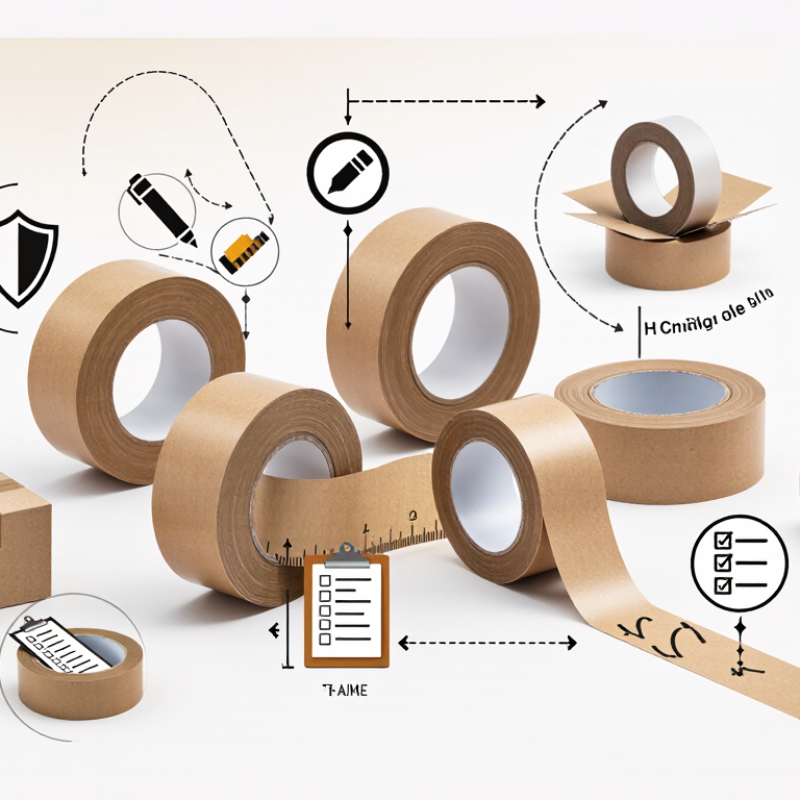
Writable kraft tape combines a paper backing with a pressure-sensitive adhesive. Its main value is practical communication during packing, storage, and delivery. Operators can write carton contents, handling notes, batch references, or return instructions directly on the tape. A dark pen usually performs better than a pale marker. Test legibility under warehouse lighting.
The tape also supports carton sealing, cable bundling, shelf identification, and temporary repairs. However, it should not replace structural packaging tape when cartons carry heavy loads. A practical check includes adhesion, writing time, surface dust, and removal marks. According to Eurostat’s 2022 packaging-waste data, the European Union generated 186.5 kilograms of packaging waste per person. Paper and cardboard remained the largest material category. This supports clearer paper-based identification, but not careless material use. Smithers’ report, The Future of E-Commerce Packaging to 2028, also highlights growing pressure for recyclable and operationally efficient packaging formats. Writable kraft tape can help by combining sealing and labeling in one step. Still, claims about recyclability require checking the adhesive, coating, and local recycling guidance. Real warehouses are less tidy than product tests. Humidity, cold cartons, and rough recycled surfaces can reduce performance. That assumption deserves testing before global purchasing.
Identifying the Right Tape Material, Size, and Adhesive
7 Writable Kraft Tape Tips for Global Buyers
Identifying the Right Tape Material, Size, and Adhesive
Tip 1: Start with the tape material.
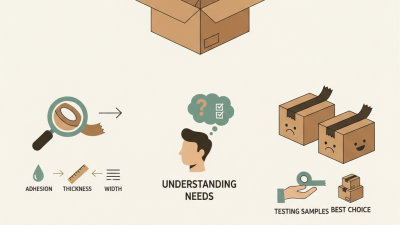
Kraft paper tape suits cartons, labels, and hand-written notes. Its surface accepts pencil, pen, and many markers. However, heavily recycled paper can feel rough or absorb ink unevenly. Ask for a writing test before placing a large order. Small samples reveal more than a polished specification sheet.
Tip 2: Match width and length to the packing task.
A narrow roll works for light parcels and document bundles. Wider tape covers carton seams with fewer overlaps. Measure your dispenser before ordering. A few millimeters can cause feeding problems. This detail is easy to miss.
Tip 3: Review the adhesive, not only the paper face.
Water-activated adhesive can bond strongly with corrugated cartons, but it needs suitable equipment and moisture control. Pressure-sensitive adhesive is faster for manual packing and small batches. Acrylic adhesive usually handles storage temperature changes well, while rubber-based adhesive may offer faster initial grip. Performance still depends on dust, carton quality, and surface moisture.
I once focused too much on writable surface quality and underestimated cold warehouse conditions. The tape looked excellent but lost grip overnight. Buyers should test adhesion after realistic storage, transport, and handling. Record roll dimensions, core size, adhesive type, writing method, and application temperature. These simple checks support consistent purchasing across markets.
Choosing Surface-Friendly Pens and Writing Methods
7 Writable Kraft Tape Tips for Global Buyers
Writable kraft tape is useful for carton codes, handling notes, and short inventory marks. Its surface may look simple, but texture, coating, and adhesive can change writing performance. Always test one roll before ordering in volume.
Choose a soft ballpoint, wax pencil, or fine-tip water-based marker for light writing. These tools usually glide without cutting into the paper fibers. Avoid hard nibs and excessive pressure, especially on thin tape. A solvent-based marker may bleed through or leave a strong odor. Not ideal for every warehouse.
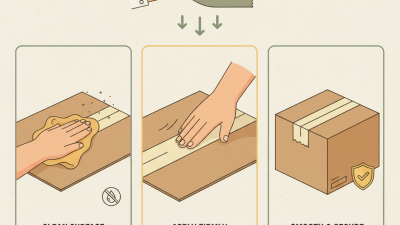
Tip: Write on a clean, dry section.
Dust and moisture can cause skipping, smearing, or uneven ink coverage. Leave the mark open for several seconds before stacking cartons. Short notes work best, such as “Fragile,” “Batch 24,” or “Open Here.” Long messages become difficult to read on rough surfaces.
Tip: Test under real packing conditions.
Write after sealing, then handle the carton with normal pressure. Check the mark after transport, rubbing, and temperature changes. A pen that works perfectly on a desk may fail in a busy packing area. I would not trust a single sample. That assumption has caused avoidable rework.
For large orders, compare readability from one meter away. Dark writing usually performs better than pale ink on brown kraft tape. Still, contrast can vary between paper batches. Keep a simple test record with pen type, drying time, and surface result. Perfect consistency is difficult, but documented testing reduces surprises.
Checking Quality, Packaging, and International Compliance
Writable kraft tape looks simple, but export quality depends on details buyers can measure. Check seven points before placing a large order. Review paper thickness, tensile strength, adhesive coverage, moisture resistance, writing clarity, roll length, and core size. A practical test uses a calibrated scale and a pen on a clean carton. The ink should dry quickly without feathering. It should not peel the surface.
Packaging needs equal attention. Confirm each roll has even edges, firm winding, and protected adhesive. Ask for carton dimensions, gross weight, pallet limits, and loading photographs. Humidity can soften paper and weaken adhesive during ocean transport. Use moisture-resistant outer cartons when the route includes tropical ports. Do not trust appearance alone. A neat sample can hide inconsistent roll length.
International compliance requires accurate documents and honest claims. Check the product specification, country of origin, material description, and relevant destination-market labeling rules. Recycled-content statements should match supplier records and test evidence. Packaging materials must also meet the buyer’s import and sustainability requirements. Keep batch numbers for traceability. I have seen buyers overlook core diameter, then discover the tape does not fit their dispensers. That mistake is small, but expensive. A pre-shipment inspection can reveal uneven coating, weak cartons, or missing documents before the container leaves. Not every inspection catches everything, so keep acceptance standards clear and review them after each shipment.
7 Writable Kraft Tape Tips for Global Buyers
Reference procurement priorities for checking tape quality, packaging, and international compliance. The percentages are practical buyer-planning weights, not legal requirements.
Quality and writing performance should be verified with samples. Packaging checks should cover roll length, core size, carton strength, labeling, and moisture protection. For international shipments, request applicable product declarations, safety documentation, recycled-content or chain-of-custody evidence when claimed, and destination-market packaging compliance records.