10 Best Stretch Film Suppliers for Global Buyers?
Choosing among the 10 Best Stretch Film Suppliers for Global Buyers requires more than comparing price per roll. A reliable supplier must prove consistent film performance across different warehouses, climates, and transport routes. Small differences matter. A torn corner can loosen a pallet before it reaches the loading dock.
This guide examines suppliers through practical purchasing criteria, including puncture resistance, holding force, pre-stretch capability, gauge consistency, and roll yield. It also considers production capacity, export experience, documentation, lead times, and customer support. Buyers should request technical data sheets, sample rolls, and recent quality records before placing large orders. A polished website is not enough.
Packaging sustainability researcher Dr. Susan Selke has said, “Packaging is a system, not merely a material.” That principle fits Stretch Film procurement well. Recycled content, downgauging, and reduced film waste can improve sustainability, but only when load stability remains dependable. A thinner film is not automatically better. Sometimes it fails under vibration, cold storage, or uneven pallet edges.
The ranking is therefore useful, but not absolute. A supplier serving food exporters may not suit an automated distribution center. Regional freight costs can also change the final value. Buyers should test before trusting claims. Even strong suppliers have limitations, and those details deserve attention. The best choice combines measurable performance, transparent communication, and dependable delivery over time.
What Stretch Film Is and Why Global Buyers Need It
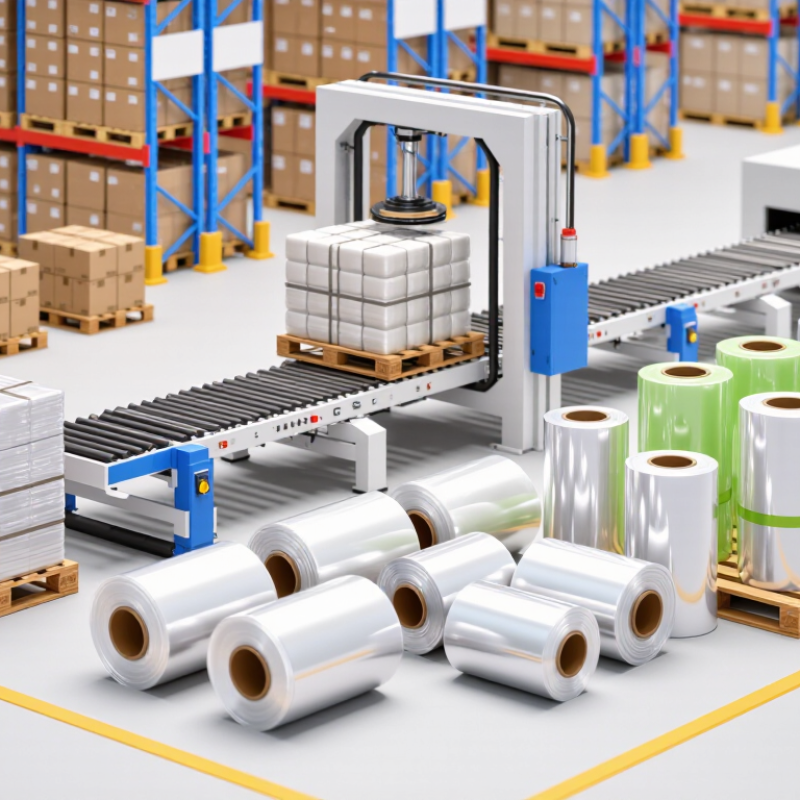
Stretch film is a thin, elastic plastic wrap used to secure products on pallets. Most commercial grades use linear low-density polyethylene, commonly called LLDPE. The film stretches around cartons, drums, and irregular loads. Its tension creates a holding force without glue or straps. It protects goods from dust, light moisture, and shifting during handling. It does not replace rigid packaging or guarantee waterproof protection.
Global buyers need stretch film because international shipments face longer journeys and more handling points. A pallet may move through a factory, warehouse, port, and delivery truck before reaching its destination. Suitable film reduces leaning cartons, broken packs, and costly rework. Buyers should compare thickness, stretch ratio, puncture resistance, cling, roll length, and core size. Cast film often unwinds quietly, while blown film can provide stronger puncture resistance. The better choice depends on load shape and transport conditions.
Experienced purchasing teams request technical data, sample rolls, and batch consistency records. They also test film on their own wrapping equipment. A film that performs well by hand may fail on an automatic wrapper. Cold storage, sharp carton edges, and heavy loads can expose weak specifications quickly. A perfect specification is rarely perfect in practice. Small trials matter. Buyers should verify recycled content claims, packaging safety documents, and applicable import requirements before placing large orders. Cost per roll can mislead; cost per stable pallet is more useful.
Key Product, Quality, and Compliance Standards to Compare
10 Best Stretch Film Suppliers for Global Buyers?
Choosing among ten stretch film suppliers requires more than comparing price per roll. A practical buyer should examine film gauge, width, roll length, tensile strength, puncture resistance, and elongation. Ask for recent laboratory reports, not only a technical brochure. Numbers can mislead. A 17-micron film may perform well on smooth cartons but fail around sharp pallet edges. Test samples under actual warehouse conditions, including cold storage, humidity, and manual wrapping.
Quality systems also deserve close attention. Compare documented batch controls, calibrated testing equipment, and traceability from resin input to finished roll. Certifications such as ISO 9001 can support process reliability, but they do not prove every film performs equally. Request certificates from recognized laboratories and check their dates. Film clarity, cling consistency, and clean unwinding are small details, yet they affect labor time and load stability.
Compliance depends on the destination and the application. Suppliers should provide material declarations, safety data, and relevant chemical compliance statements. Food-contact packaging needs additional migration documentation. Recycled-content claims should include clear calculation methods and supporting evidence. Ask whether packaging labels identify the batch, production date, and recycling information. The uncomfortable lesson is that a complete document pack may still hide uneven production. Independent pre-shipment testing can reveal thickness variation before several containers leave the port. Suppliers that accept corrective feedback are often more dependable than those offering the lowest quotation.
Profiles of the 10 Best Stretch Film Suppliers for Global Buyers
Profiles of the 10 Best Stretch Film Suppliers for Global Buyers
Global buyers need more than low prices when selecting stretch film suppliers. Grand View Research estimates that the global stretch films market could reach about USD 12 billion by 2030. Demand is rising with warehouse automation, export packaging, and recycled-content targets. The following ten supplier profiles focus on measurable strengths: film consistency, load retention, delivery capacity, technical support, and documentation. One profile represents a high-volume manufacturer for palletized consumer goods. Another serves food exporters requiring stable cling and clean film edges. A third focuses on pre-stretched film, which can reduce manual wrapping effort.
The group also includes a recycled-content specialist, a lightweight-film developer, and a supplier with strong regional warehouses. Two profiles suit dangerous-free general cargo and temperature-sensitive logistics. Another emphasizes machine-grade film for automated lines. The final two profiles serve smaller buyers through flexible minimum orders and private technical testing. Smithers reports continued development in downgauged and sustainable flexible packaging films, but thinner film is not automatically better. Poor puncture resistance can create more waste through broken loads. That detail is easy to miss.
From practical purchasing experience, buyers should request test rolls before signing annual contracts. Check elongation, puncture strength, holding force, core dimensions, and batch traceability. A supplier may provide impressive laboratory figures yet perform poorly on dusty pallets or sharp cartons. I would also question vague recycled-content claims. Independent certificates matter. Freight reliability deserves equal attention, especially when one delayed container can stop a packing line. Supplier rankings are useful, but site conditions still decide the result.
How to Select the Right Supplier for Your Packaging Needs
How to Select the Right Stretch Film Supplier for Your Packaging Needs
Choosing among the 10 best stretch film suppliers requires more than comparing price lists. Start with load stability, film thickness, puncture resistance, and pre-stretch performance. A pallet should remain tight after vibration, temperature changes, and long-distance transport. In practice, request samples and test them on your own wrapping equipment. Laboratory claims can look impressive, yet a film may tear around sharp carton corners. That happened during one warehouse trial. It was a useful reminder.
According to Grand View Research, the global stretch film market was valued at approximately USD 3.1 billion in 2023, with continued growth expected through 2030. This expansion increases supplier choices, but not necessarily supplier quality. Ask for recent technical data, batch traceability, and documented quality controls. ASTM D4649 can help structure film performance testing. Also check delivery capacity, minimum order quantities, and technical support in your region. Smithers’ packaging outlook highlights sustainability and material efficiency as continuing industry priorities. Therefore, compare downgauging results, recycled content claims, and end-of-life guidance carefully. Some sustainability statements remain too broad. A reliable supplier should provide measurable evidence, not polished wording. Start with a controlled pallet trial, record film usage, and review damaged loads before signing a long-term agreement.
10 Best Stretch Film Suppliers for Global Buyers? - How to Select the Right Supplier for Your Packaging Needs
Before comparing suppliers, match the film gauge to your application. The ranges below reflect commonly used commercial stretch-film thicknesses and can help buyers evaluate product suitability, load stability, and total packaging cost.
Typical industry ranges shown in micrometres (μm); exact performance depends on resin structure, pre-stretch ratio, wrapping equipment, load type, and supplier technical specifications.