Best Writable Kraft Tape Options for High Quality Packaging?
In the evolving landscape of packaging, Writable Kraft Tape has emerged as a versatile solution. According to a recent report by Smithers Pira, the global demand for sustainable packaging materials is projected to reach over $400 billion by 2025. Writable Kraft Tape meets this demand, providing eco-friendly packaging options that do not compromise on functionality.
Businesses must recognize the importance of high-quality packaging. Writable Kraft Tape offers durability, ensuring packages remain secure during transit. A study by the Packaging Association noted that improper sealing accounts for 30% of shipping damages. Using robust packing materials can significantly reduce this risk.
Yet, selecting the right Writable Kraft Tape poses challenges. Factors like adhesion properties and printability need consideration. Companies often overlook these aspects, leading to inefficiencies. Balancing cost with quality is vital; aspiring toward the cheapest option may not yield the desired results. Investing in premium Writable Kraft Tape could enhance brand reputation and customer satisfaction, ultimately driving growth.
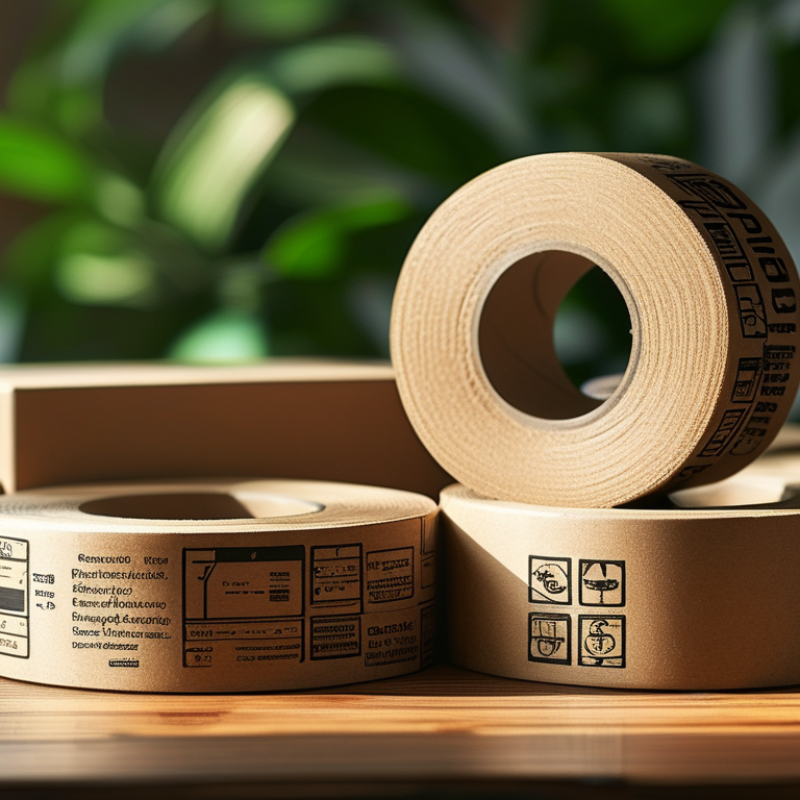
Types of Writable Kraft Tape for Packaging Needs
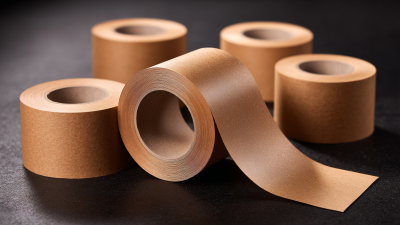
Writable kraft tape is a versatile choice for packaging. It allows for easy labeling and personalization. Several types meet different packaging needs. Plain writable kraft tape is ideal for general use. It provides a smooth surface for pen or marker writing. Self-adhesive varieties offer added convenience for quick application.
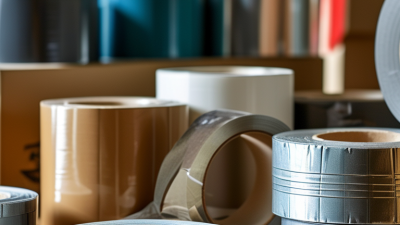
Sealing tape is another category worth considering. This type typically has stronger adhesive properties. It is suitable for heavier boxes or demanding shipping situations. Additionally, reinforced kraft tape provides extra durability. This is essential for packages that go through rigorous handling.
Choose the right type based on your requirements. Consider factors like adhesive strength and surface type. Testing different variations can lead to finding the perfect fit for your use. Observe how your chosen tape interacts with different materials. Remember, not all kraft tapes are created equal.
Best Writable Kraft Tape Options for High Quality Packaging
| Tape Type |
Width (inches) |
Thickness (mil) |
Adhesion to Steel (oz/in) |
Temperature Resistance (°F) |
Color |
Environmental Rating |
| Natural Kraft |
2 |
60 |
50 |
150 |
Brown |
Biodegradable |
| Printed Kraft |
1.5 |
48 |
45 |
140 |
Brown with Print |
Recyclable |
| Water-Activated Kraft |
3 |
80 |
55 |
160 |
Brown |
Eco-friendly |
| Reinforced Kraft |
2.5 |
70 |
65 |
150 |
Brown |
Durable |
Key Features to Consider in High-Quality Kraft Tape
When selecting high-quality Kraft tape for packaging, it’s crucial to consider several key features. The adhesive strength is essential. A tape with strong adhesive will securely seal packages, preventing them from opening during transit. Look for options that offer a balance between easy application and durability.
Another important factor is the paper thickness. Thicker Kraft tape typically provides better resistance to tearing. This is especially vital for heavy or awkwardly shaped packages. The color of the tape can also matter. A natural brown Kraft tape offers a professional appearance while allowing for clear writing.
Moisture resistance can be a game-changer. Tapes that withstand high humidity protect packaged items. However, it’s worth noting that high moisture resistance may add cost. Reflecting on these trade-offs can help you choose the right tape for your needs. Different uses may require prioritizing certain features over others. Consider your specific packaging challenges to find the best fit.
Comparison of Top Writable Kraft Tape Brands
When it comes to high-quality packaging, writable kraft tape stands out. Several brands dominate the market, but how do they compare? Industry reports suggest that the demand for robust, eco-friendly packaging solutions is on the rise. Writable kraft tape has seen a significant increase in popularity, thanks to its versatility and strength.
One of the key factors in evaluating kraft tape brands is durability. According to research from packaging industry experts, high-quality kraft tape adheres well under varying temperatures. In fact, around 75% of businesses reported fewer packaging failures when using premium-grade kraft tape. The ability to write directly on the tape adds another layer of practicality. Users often mention that clear labeling improves efficiency in their shipping processes.
However, not all brands perform equally. Some tapes can be too flimsy, leading to time-consuming rework. Observations indicate that companies should assess adhesive strength, paper thickness, and ease of writing. A careful analysis of customer reviews can offer insight into the best choices. Sustainable options are gaining traction, with a growing number of consumers leaning towards recyclable materials.
Applications and Benefits of Writable Kraft Tape in Packaging
Writable kraft tape has increasingly become a staple in quality packaging solutions. Its applications extend across various industries, including e-commerce, food packaging, and logistics. According to recent industry reports, the global kraft paper market is projected to reach $20 billion by 2026, with writable kraft tape accounting for a significant share. This growth is fueled by its eco-friendly nature and recyclability, appealing to environmentally conscious companies.
One of the primary benefits of writable kraft tape lies in its versatility. It can be easily labeled or marked, allowing for clear identification during shipping and storage. This functionality reduces errors and improves inventory management. Reports indicate that companies using such labeling methods see a 25% decrease in misdelivery rates, which translates to cost savings. Furthermore, kraft tape is strong and reliable, providing excellent adhesion across various surfaces.
Despite these advantages, there are still challenges to consider. Some users report smudging or fading of ink when exposed to moisture. Also, not all writable tapes perform similarly, creating confusion about which product is best for specific needs. Therefore, careful selection is essential. Monitoring performance in different conditions can lead to better choices and outcomes in packaging strategies.
Tips for Properly Applying Writable Kraft Tape for Best Results
When using writable kraft tape, proper application is crucial for achieving optimal results. According to a report by the Pressure Sensitive Tape Council, improper use can lead to tape failure, potentially costing businesses up to 20% in material waste. This emphasizes the importance of applying the tape correctly and efficiently.
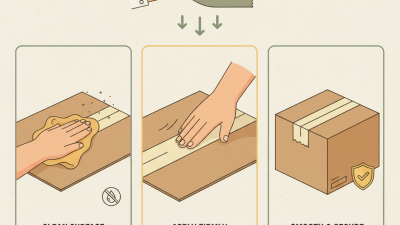
Start by ensuring that the surface is clean and dry. Dust and moisture can reduce adhesion. When applying the tape, press down firmly to eliminate air bubbles. Air pockets can weaken the bond, causing the tape to peel or lift. A consistent application pressure is essential. For best results, cut the tape at a consistent length to ensure uniformity across packages.
Consider writing directly onto the tape before applying it to your products. This can streamline labeling and improve organization, especially in logistics. However, be mindful of the writing tool you choose; some inks may smudge or bleed. A permanent marker is often recommended for clear and lasting labels. Regularly review your methods, as even minor adjustments in application techniques can greatly enhance efficiency and product presentation.